Two true things about the same town
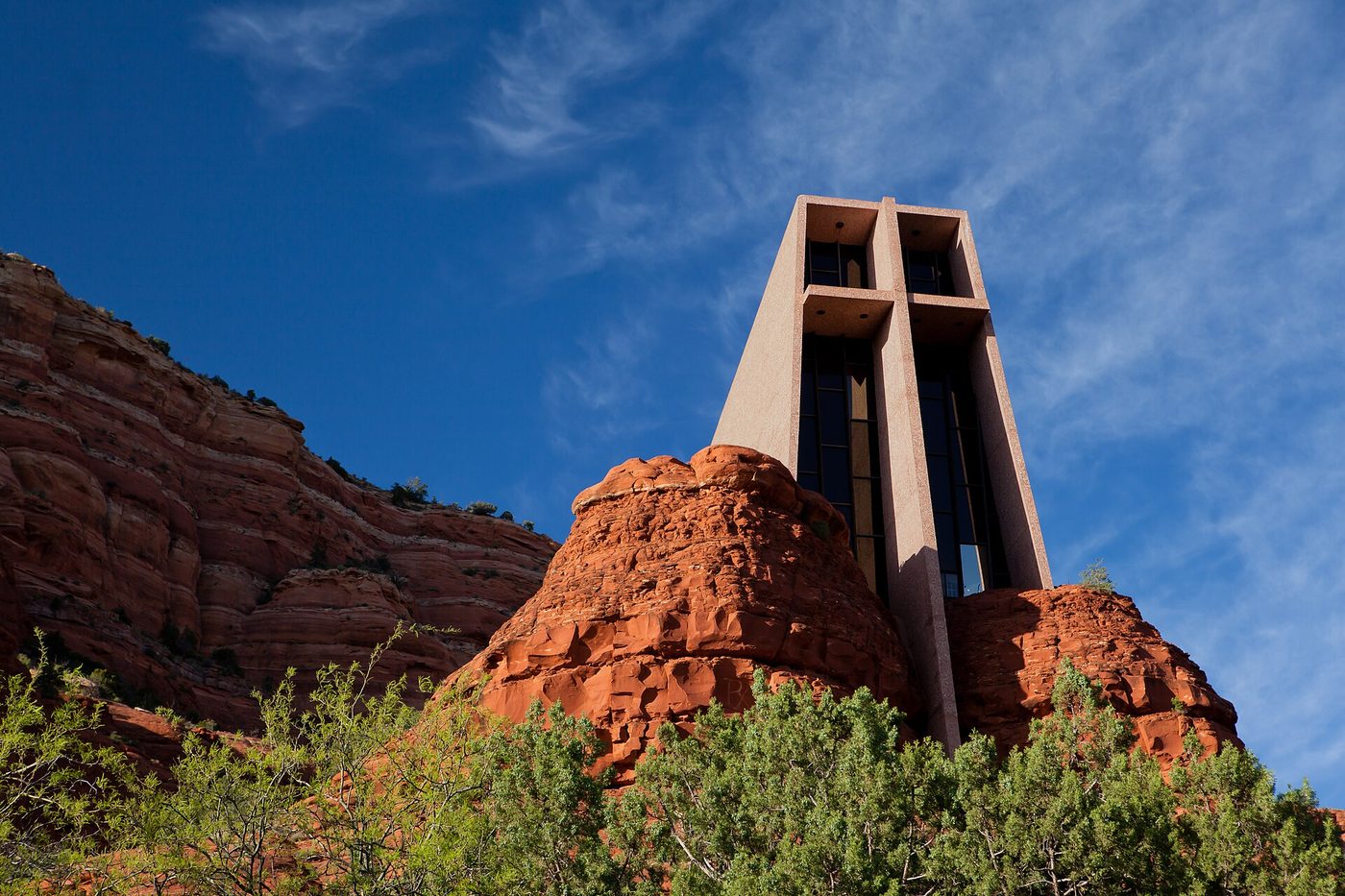
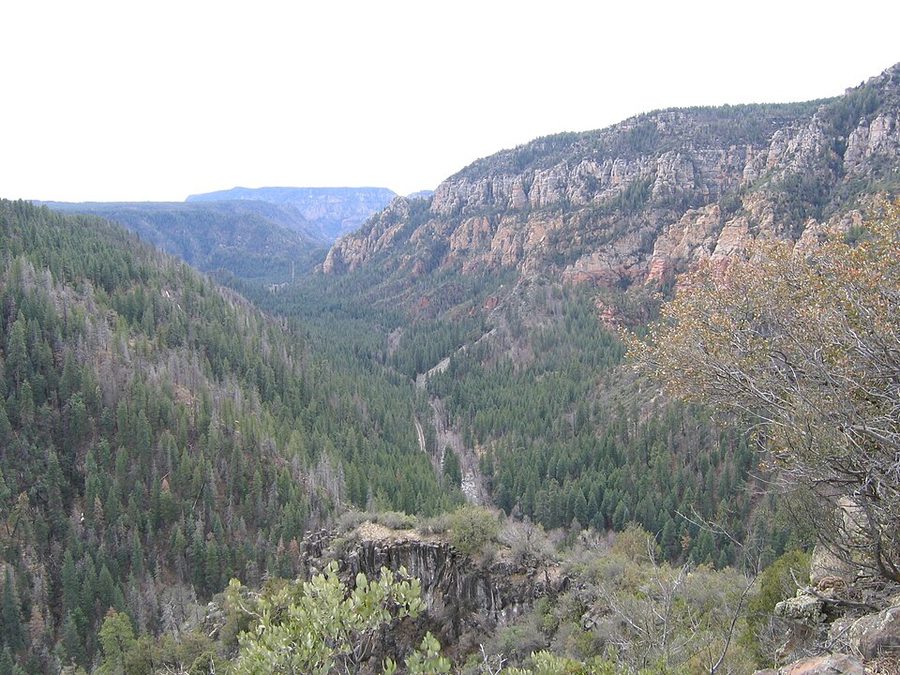
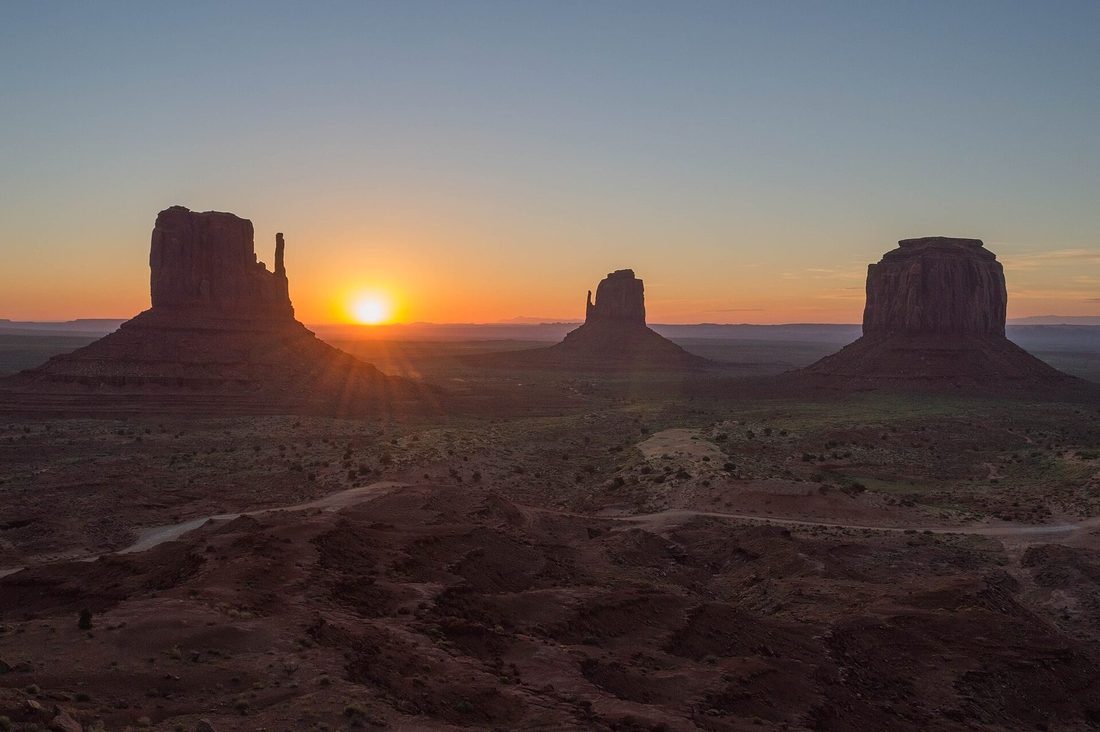
The rock at Sedona is extraordinary, and it is worth saying that first because everything else on this page is qualified. The town sits where Oak Creek Canyon opens out, at the foot of buttes and spires of pink sandstone — the Schnebly Hill Formation, a layer found in this corner of Arizona and almost nowhere else — that turn the colour of embers for half an hour at each end of the day. Cathedral Rock across the creek at Red Rock Crossing, Bell Rock and Courthouse Butte beside the road in from the south: none of them are far, and none of them disappoint.
The second true thing is that the town is heavily commercialised, and pretending otherwise would be a disservice. Sedona was named for Sedona Schnebly, whose husband was the first postmaster here in 1902, and for most of the century after that it was a small place with a spectacular backdrop. It is now a resort town of jeep-tour desks, galleries, timeshare touts and souvenir shops, with traffic that queues along State Route 179, trailhead car parks that fill before eight and a municipal shuttle bus running to the busiest of them because there is nowhere left to leave a car. None of that spoils the rock. It does mean that the town is a service centre rather than an attraction, and that the good hours are early.
Then there is the vortex question, which visitors ask about more than anything else. The claim that spiritual energy concentrates at particular formations — Bell Rock, Airport Mesa, Cathedral Rock and Boynton Canyon are the four usually named — comes out of the New Age movement of the late 1970s and 1980s and became a mass phenomenon with the Harmonic Convergence gathering of 1987. It is a modern tourist industry rather than an Indigenous tradition, and no tribe here has claimed it. That is worth knowing before you book a vortex tour. It is not a reason to sneer at anyone: people have found high, quiet, beautiful ground moving for as long as there have been people, and these are high, quiet, beautiful places.
The connections to this landscape that are documented and continuing belong elsewhere. The cliff dwellings and rock art at Palatki and Honanki west of the town were built by the people archaeologists call the Sinagua, ancestors of the Hopi, between roughly 1100 and 1400. The Yavapai and the Western Apache lived across the Verde Valley until the United States forced them out in 1875, on a march to the San Carlos reservation that killed a great many of them and is remembered as the March of Tears; their descendants returned and are enrolled in the Yavapai–Apache Nation down the valley. That history is an hour's drive away and almost never on the itinerary.
“Come for the rock, be early, and be honest with yourself about what the town is.”