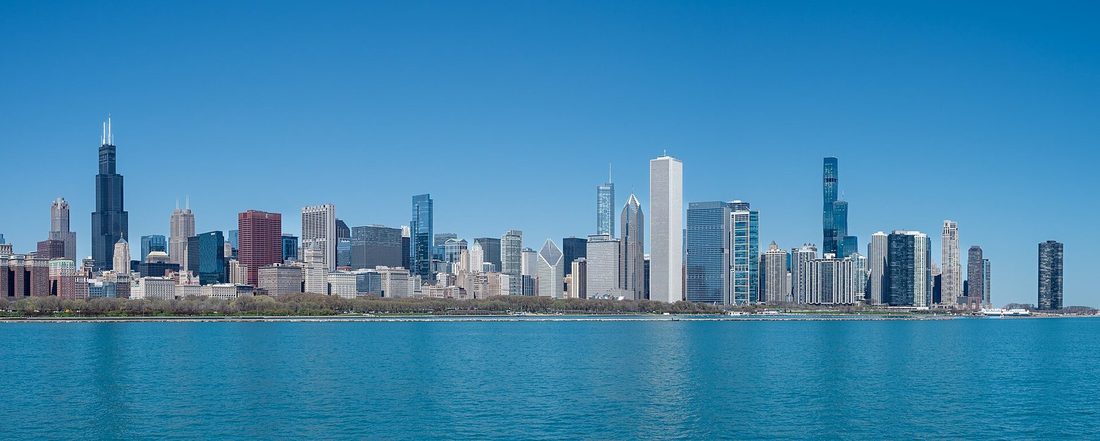
City without a centreBasin, coast and hillsFour-night city

Los Angeles Not one city, but a basin full of them

Los Angeles is not one city but a basin full of centres, and the mistake that spoils a first visit is planning it like a European capital.

Choose an area
Build your Los Angeles tripInspire → plan → book
The destination story

A city that was never given a middle

Los Angeles was founded in 1781 as a farming settlement of forty-four people on the bank of a river that is now a concrete channel. What survives of it is a single block, Olvera Street, opposite Union Station. Everything else arrived later and arrived everywhere at once: the railway in the 1870s, oil, citrus, water piped three hundred kilometres from the eastern Sierra, the film business, aerospace. Each boom built its own town, and the towns grew into one another without ever agreeing on a centre.

That is not a figure of speech. The county holds eighty-eight separate cities and the basin runs about eighty kilometres from the sea to the mountains. Downtown has the tallest buildings, the concert hall, the courts and the point where every rail line meets, but it is not where most people work or go out. Hollywood is a district of a few square kilometres, not the industry, most of which left it decades ago. The best Chinese food in North America is thirty kilometres east in the San Gabriel Valley, and the best view of the whole arrangement is from a free public observatory on a hillside in the middle.

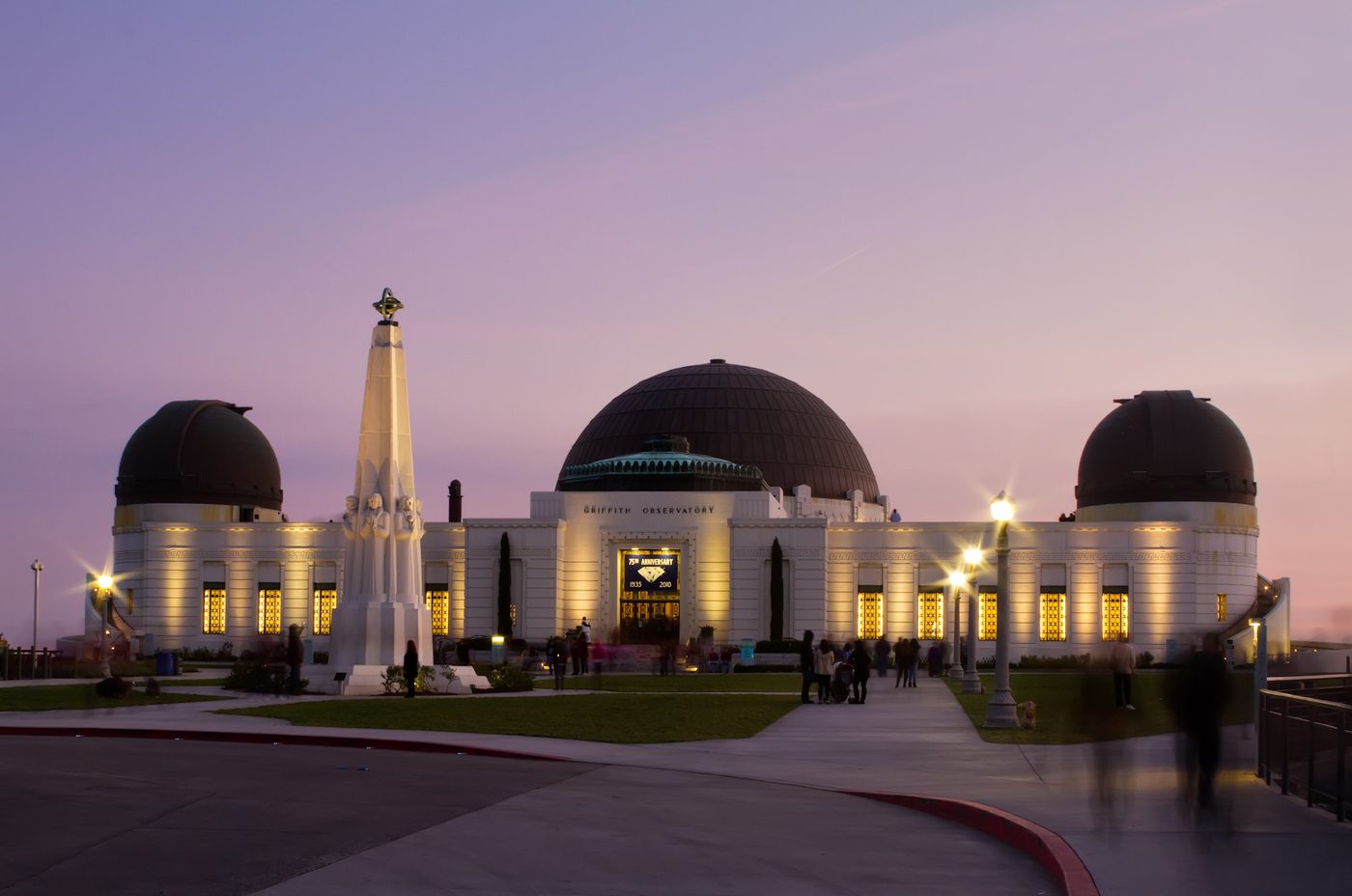
Understand that, and the city stops being frustrating. Griffith Observatory is the place to start, because from its terrace the logic is visible: the grid running flat to the ocean, the Santa Monica Mountains cutting the basin in half, the San Gabriel Mountains standing behind it with snow on them for part of the year. It also explains the light, which is the real reason the film business came and stayed.

What follows from all of this is a planning rule rather than a list. Pick two or three districts and give each of them the better part of a day; do not build an itinerary that crosses the basin twice before lunch. The city rewards depth in one quarter far more than it rewards a checklist, and it is the natural first stop on the great American road trip — the desert, the parks and the coast all start from here.

“Everybody's first Los Angeles itinerary is too ambitious by exactly one item a day. Cut it, and the city becomes likeable.”
Where you stay shapes the trip

Choose your area

In a city this size the choice of base is the itinerary. Compare four by which rail lines they sit on, how far the evening walk runs, and how much driving each one commits you to.

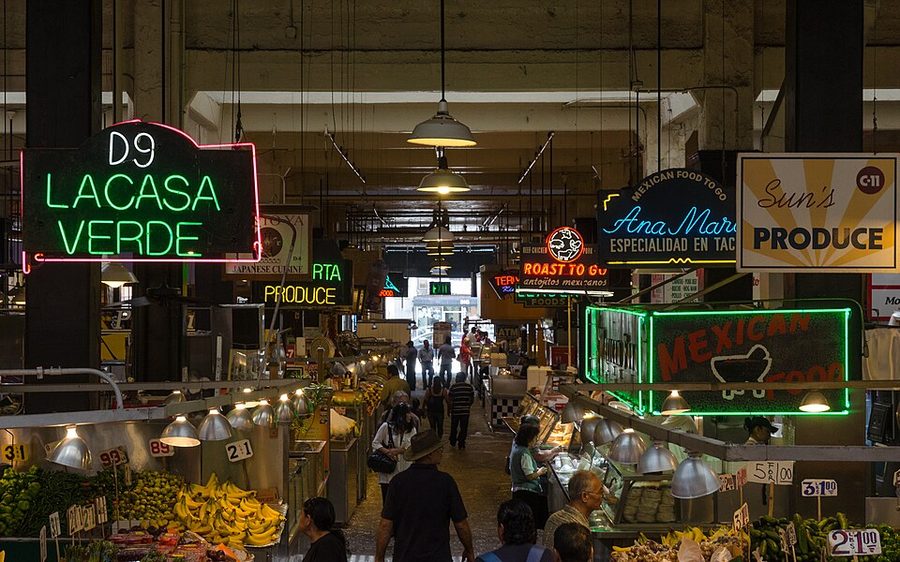
The lit domes and colonnade of Griffith Observatory at dusk above Los AngelesNeon stall signs above the aisles inside Grand Central Market in downtown Los AngelesPerfect
day
GlobeSaga perspective

A perfect day in Los Angeles

This is one district at a time, with a single crossing of the basin in the middle of the day and the hill saved for last. Anything more ambitious is spent in traffic.

  • AM
    Downtown on foot Coffee and an early wander through Grand Central Market, then up the hill past the Bradbury Building to Gehry's concert hall and the art museums beside it.
  • 12
    West to Wilshire The museum row on the Miracle Mile — the county art museum, the film museum and the bubbling asphalt of the tar pits, all on one block.
  • PM
    The ocean end Down to the coast for the pier at Santa Monica and the walk south past the boardwalk to the Venice canals, which are quieter than anything else at this end of the city.
  • EVE
    Up to the observatory Back inland and up into Griffith Park for sunset from the terrace, with the whole basin lighting up below and the hills going black behind.
Experience Los Angeles

Four days, four different cities

Choose a theme to explore four bookable experiences. The selection updates directly below without leaving GlobeSaga.

Showing themeFilm & studios
Open all results

Loading Los Angeles activities…

Activities and tickets are booked through GetYourGuide, GlobeSaga's activities partner.
Explore the geography

Downtown, the hills, the coast and the desert

This is the section that makes Los Angeles legible. Use the route filters to see which places actually cluster together and which are separated by half the basin — and use the rail filter to see how much of it can be reached without a car.

Interactive route explorerChoose how to see Los Angeles
Los Angeles stopExcursionSelected route
Beyond the basin

Four worthwhile excursions

The first two are afternoons and can be done on the rail network. The last two are proper drives, and they are the reason a great many people hire a car in Los Angeles at all.

Rail

Pasadena and the Huntington

Half day

North-east on the light rail to Pasadena, for Craftsman houses, an old main street and the Norton Simon collection. A short ride further is the Huntington, a railway fortune turned into a library, an art collection and a very large garden.

Rail

Long Beach and the harbour

Half day

The other end of the same light rail line, an hour south through the industrial middle of the county to Long Beach, where the Cunard liner Queen Mary is moored permanently and the port cranes run for kilometres. The journey is half the point.

Car

Malibu and the coast road

Full day

West along the shore to Malibu, twenty-one miles of beaches, canyons and the Getty Villa at its eastern end, a Roman country house rebuilt above the Pacific to hold antiquities. Come back over the mountains rather than the way you went.

Car

The desert: Death Valley or Las Vegas

Two to three days

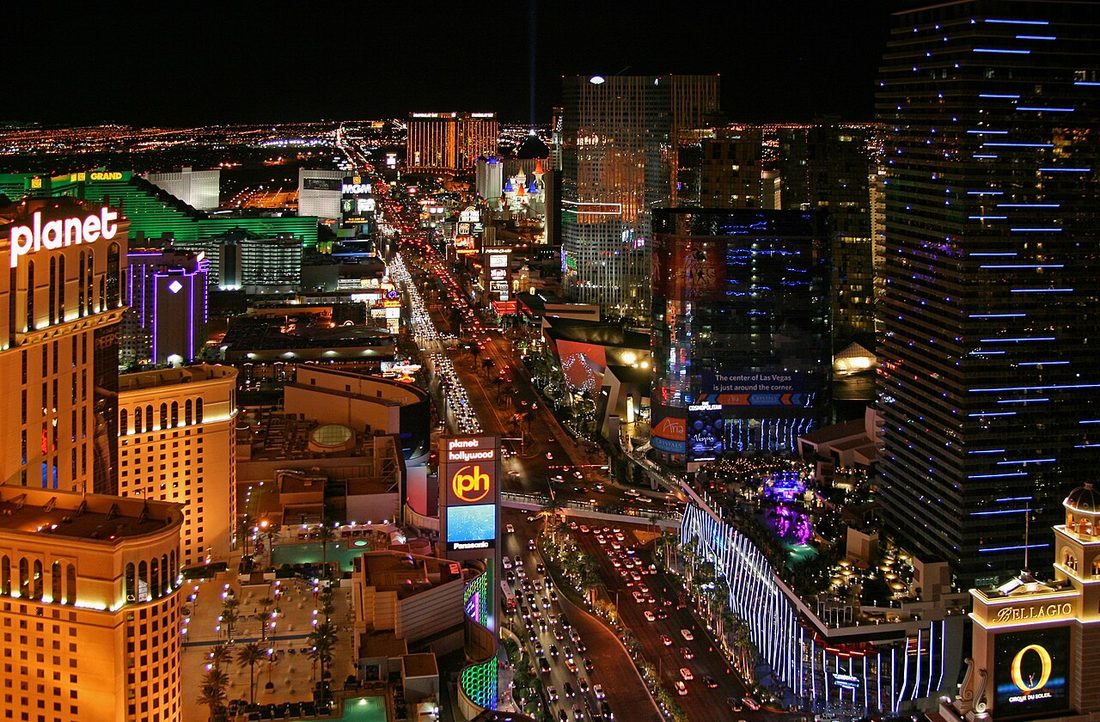
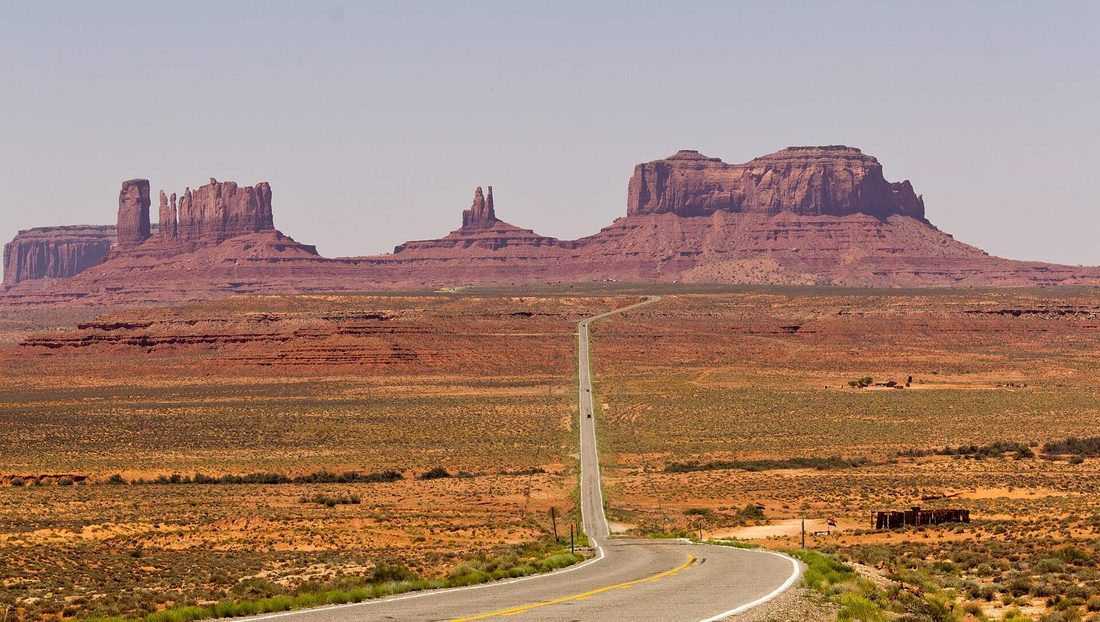
North-east out of the basin the country empties fast. Death Valley is four to five hours away and is the lowest, driest place in North America; Las Vegas is a similar drive and an entirely different proposition. Both need nights of their own, and neither should be attempted as a day trip.

Planning tip: Judge every distance here in time, not kilometres. The same fifteen-mile crossing can take twenty-five minutes or ninety depending entirely on when you set off, and the difference between a good Los Angeles day and a bad one is usually a decision made at breakfast.
Find the right area

Where to stay in Los Angeles

Choose the base by the rail line, not by the postcard. Downtown is the only district where a first-time visitor can genuinely live without a car: the airport line, the Santa Monica line and the Pasadena line all meet at Union Station, and the museums and the Arts District restaurants are a walk apart. Hollywood puts the subway and Griffith Park within reach and is the most convenient central base if downtown feels too stark. Santa Monica and Venice are the right choice if the coast is the reason you came, and the light rail means you are not stranded there. Koreatown sits halfway between the two ends on two subway lines, costs less than either and eats better than both.

Hotel information, availability and booking are provided by Trip.com. GlobeSaga may receive a commission at no extra cost to the traveller.

Gastronomy

Food experiences in Los Angeles

No American city eats better, and almost none of the reason is fine dining. Los Angeles has the largest Mexican, Korean, Armenian, Thai and Filipino populations in the country, and the cooking that follows from that is spread across strip malls from the harbour to the mountains. Alongside it sits a set of institutions that have simply refused to change — a 1908 sandwich counter with sawdust on the floor, a Hollywood grill room still pouring martinis at the table. Both halves are below.

Practical questions

Before you go

Quick, honest answers to the questions that actually decide how a Los Angeles trip goes.

Less than you used to, and more than the rail map suggests. Six Metro rail lines now cross the county, including one from downtown to Santa Monica and one that reaches a station at the airport, and along those corridors a car is genuinely unnecessary. Off them it is a different city: the Getty Center, Malibu, the canyon roads and most of the good eating in the San Gabriel Valley assume you are driving. The honest answer is that you can do a first visit without a car if you choose where you stay to match the rail lines, and that a car makes almost everything else easier.
Four nights is the sensible minimum, and it is not because there is more to see than in other cities. It is because the distances eat a day. A three-night trip usually becomes two long drives and a disappointment. Four nights lets you give one day to the coast, one to the hills and Hollywood, one to downtown and the museums, and one to something outside the basin.
There isn't one, and that is the single most useful thing to understand before you arrive. Downtown is the historic core, the government district and the point where every rail line meets, but it is not where most Angelenos work, eat or go out. The city grew as dozens of separate towns strung along streetcar lines and later freeways, and it still behaves that way. Plan around two or three districts rather than one hub.
Yes. Metro's C and K lines reach a station beside the airport, from which a free shuttle runs to the terminals; an automated people mover built to replace that shuttle had not yet opened at the time of writing. From that station the rail network reaches downtown, Hollywood and Long Beach. It is slower than a taxi outside the rush and considerably faster than one inside it.
Autumn and spring. The rain, such as it is, falls in the winter half of the year, and the summer brings a coastal fog that can keep Santa Monica and Venice grey until the afternoon while the valleys behind them are hot and clear. September and October are usually the warmest, clearest months on the coast, which is the opposite of what most visitors expect.
Yes, and it is the one view that explains the city. From the terrace you can see the whole basin at once — downtown, the Hollywood Hills, the grid running to the sea — and understand why nothing here is near anything else. Entry to the building and the grounds is free, a shuttle runs up from the Metro station at the foot of the hill, and the road up fills long before sunset.
Advertisement
Plan Los AngelesStays · Flights · Cars · Trains · Activities