Thailand can still offer excellent value, but the cheapest room or ticket is rarely the complete price. Airport transfers, baggage, late arrivals, ferry links, deposits, card fees, park charges and a remote hotel's food can turn a bargain into an expensive sequence. The useful question is not how little one day can cost; it is how much a coherent trip costs after every necessary stage is included.
This guide builds a value-first route around longer stays, local transport where it is practical, regional food, free or low-cost cultural time and a protected reserve. It also explains where spending more prevents larger costs: a safe arrival, suitable insurance, a legitimate activity, a quiet room before an early journey and a buffer before an international flight.

Separate fixed costs from daily choices
A budget becomes useful when it includes the trip home and an ordinary bad day.
Price the non-negotiable frame first
List international travel, entry requirements, insurance, first and final nights, major intercity legs, essential medication and a departure buffer. Add expected baggage and airport access. Only then set the flexible daily amount for rooms, food, local transport, sights and activities.
Keep an emergency reserve outside the spending wallet and do not count a credit limit as the whole plan. The reserve should cover a safe room, reputable transport, medical assessment or changed connection. Travellers with separate tickets need more margin because one provider may not protect the next booking.

Use Thai baht and total price when comparing
Record costs in baht, then convert with a conservative current rate and any bank spread. Ask whether tax, service charge, breakfast, linen, key deposit, cleaning, card fee or compulsory event meal is included. An app headline can omit costs that appear only at checkout.
Cash remains useful in markets and smaller businesses, while cards add records and reduce the amount carried. Use legitimate bank machines, decline confusing conversion when your own provider offers a better rate and protect the keypad. Split money and payment methods rather than storing everything in one bag.
Save by staying longer and travelling in clear windows
The route is the largest budget decision because it controls transport and lost time.
Choose three bases instead of seven stops
A first two-week trip can use Bangkok, Chiang Mai and one suitable coast. Three weeks can add Ayutthaya, Khao Sok or a second region without turning every other day into checkout. Longer stays open weekly room rates, laundry routines, neighbourhood food and free time that does not require a ticket.
Remove a region before cutting every stay to one night. Bangkok to the north and then one coast creates a readable line; crossing repeatedly between Gulf and Andaman adds fares and weather exposure. A night train may replace a room, but only when the berth, station transfer and rest are genuinely suitable.
Use shoulder timing carefully, not blindly
Lower prices can coincide with heat, rain, rough seas, haze or closed marine areas. Choose the month by the vulnerable experience and region, then keep boat days flexible. A low island rate has little value if the desired diving, ferry or beach conditions are unsuitable.
Book enough early to secure a safe first stay and any scarce sleeper, then preserve flexibility elsewhere. Holiday periods, festivals and local events can raise demand unexpectedly. Compare cancellation terms as part of price; a slightly higher flexible room can be cheaper when the route still depends on weather.

Buy location, sleep and honest facilities
The cheapest bed can create expensive rides and an unusable next day.
Compare the room after transport and sleep
Check the walk from rail or bus, the final street at night, public transport, food nearby and whether reception is staffed for arrival. Read recent reviews for noise, locks, air conditioning, bathroom cleanliness, construction and the exact room category. A central private room shared by two can cost less than two premium hostel beds.
Hostels offer kitchens, social spaces and useful tours, but dorm size, curtains, lockers, bathroom ratio and party culture vary. Guesthouses may provide local knowledge with fewer facilities. Choose the format that supports the day rather than treating discomfort as proof of authentic budget travel.
Ask about deposits and what the rate excludes
Photograph existing room damage and obtain a receipt for a cash deposit. Confirm towels, linen, air conditioning hours, drinking-water refill, luggage storage and late check-in. Do not leave a passport as routine security; use the accommodation's legitimate registration process and keep control of identity documents.
Use laundry by weight where practical and avoid buying a new travel item in every base. A room with a fridge or kettle can support breakfast, medication and leftovers, but cooking rules differ. Protect valuables with a real locker and your own suitable lock when required.

Follow local meal rhythms and transport that fits
Ordinary Thai routines often offer the best value and the strongest sense of place.
Eat where one kitchen does a few things well
Morning markets, rice-and-curry counters, noodle shops, food courts and busy family restaurants can provide excellent meals without destination pricing. Observe turnover and handling, ask the speciality and order a balanced table. Confirm seafood price by weight and do not assume every market stall is automatically cheap.
Budgeting never overrides allergies or food safety. Carry a professionally translated allergy card and choose a capable kitchen rather than negotiating an uncertain stall. Refill water only from safe sources and leave room for one guided food experience that explains the region beyond dish names.
Use public transport where the full journey is clear
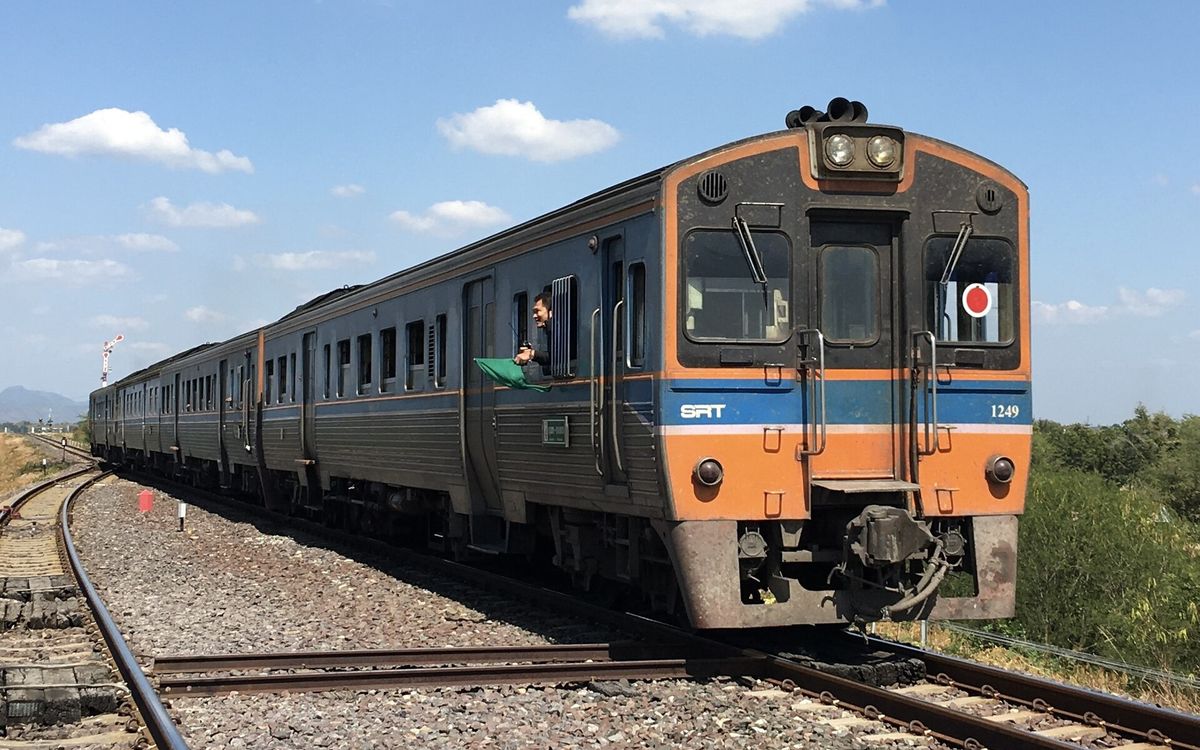
Bangkok rail and river services can avoid traffic; trains can link Ayutthaya, Chiang Mai and Hua Hin; buses and minivans serve many regional routes. Verify terminal, operator, luggage, arrival time and final transfer. The cheapest ticket is poor value when it arrives after local transport stops.
For islands, compare joined bus-ferry tickets with separately purchased legs and understand who protects a delay. Never accept an unsafe vehicle, overloaded boat or unlicensed ride to save a small amount. Walking is free only when the route, heat, lighting and luggage make it reasonable.

Spend on context and keep free time genuinely free
One strong paid activity can organise several low-cost independent days.
Build free and low-cost days around neighbourhoods
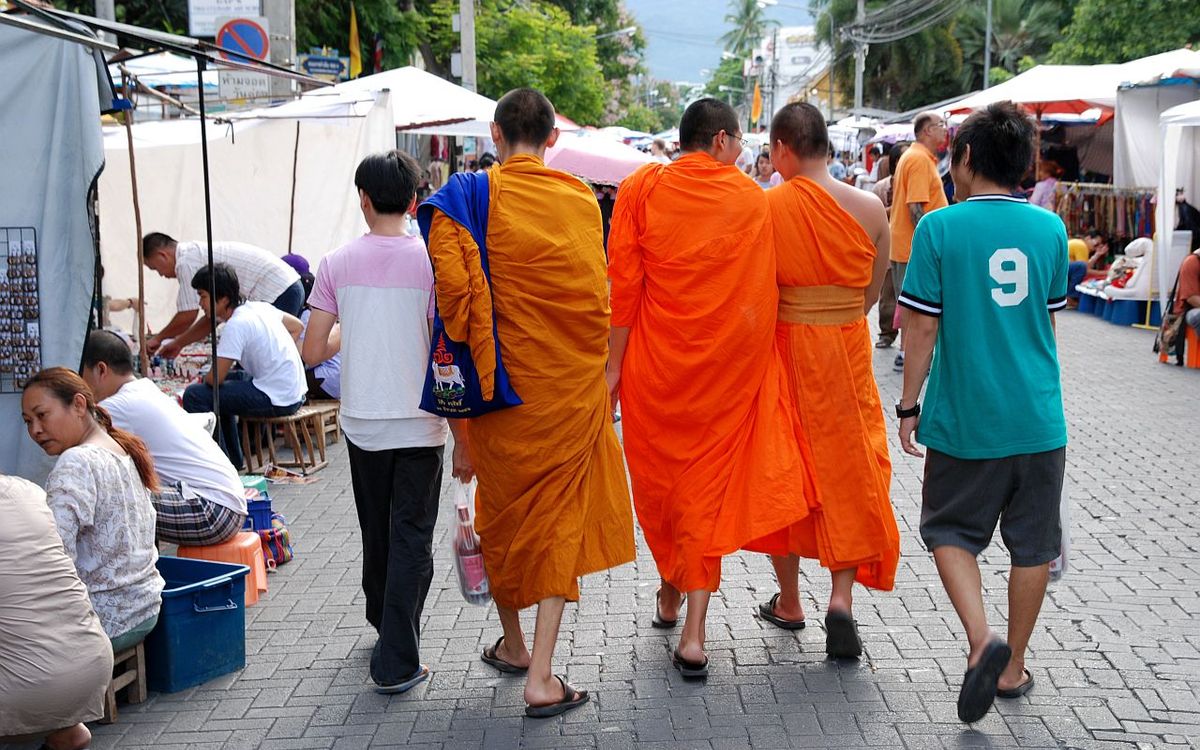
A Bangkok ferry journey, old-city walk, public park, market breakfast, temple visit with proper etiquette or Chiang Mai craft district can become a complete day when geography is focused. Check opening rules and dress expectations, make a modest appropriate donation where relevant and avoid photographing worship as entertainment.
Do not race across town collecting free sights while paying repeatedly for transport. Choose one area, read its history and leave space to sit, eat and observe. Free time is not a gap that must be filled by shopping, rooftop drinks or an algorithm's top ten.
Pay for safety, skill and ethical practice
Diving, climbing, wildlife, boats and remote hikes require legitimate operators, trained staff, maintained equipment and realistic group sizes. A suspiciously cheap activity may externalise the cost to workers, animals or the environment. Compare what is included and what happens if weather cancels.
Choose elephant observation without rides, staged bathing or compulsory touch. Use official park access and qualified guides. Tip according to local context and service without treating workers as props in a low-cost challenge. Responsible spending can remain modest while recognising labour and conservation.

Prevent small mistakes from becoming large costs
A protected budget includes permission to walk away and pay for the safer choice.
Recognise pressure, substitution and false closure stories
Ignore unsolicited claims that a temple, hotel, pier or ticket office is closed unless the official source confirms it. Agree meter or fare through the legitimate method, check route and licence details, and do not follow a stranger to a gem, tailor or travel shop because today's deal is ending.
Keep the booking inside the platform or operator channel used for payment. Do not move to an unprotected transfer or send a deposit to a personal account without verification. If a dispute grows, move to a staffed public place and use the Tourist Police or appropriate official assistance rather than physical confrontation.
Protect health and the final journey
Insurance, sun protection, safe water, appropriate footwear and rest are budget tools because treatment and rebooking cost more. Carry medication and essential documents, know the insurer procedure and seek care when symptoms are concerning. Do not rent a scooter without valid licence, insurance, skill and suitable helmet simply because taxis seem expensive.
Return from an island or long overland stage before the international departure day. Keep enough reserve for a safe final room and airport transfer. Review spending weekly rather than punishing every meal; remove a future upgrade or activity if needed while preserving food, sleep and exit options.
Where to save and where to protect quality
The cheapest option is useful only when it preserves safety, rest and the next stage.
| Decision | Save through | Do not cut | Hidden cost |
|---|---|---|---|
| Accommodation | Longer stays and location | Locks, sleep and safe arrival | Repeated late rides |
| Transport | Coherent route and public systems | Licence, operator and buffer | Terminal transfer |
| Food | Local specialities and meal rhythm | Allergy and hygiene capability | Tourist-zone convenience |
| Activities | Fewer, stronger bookings | Training, welfare and equipment | Exclusions and cancellation |
High-value Thailand bases with useful transport
Filter by classic, rail, north, mainland coast or Andaman value. Routes favour longer stays.
Map lines show planning order, not live services or prices. Verify current fares, operators, weather, luggage and final transfers.
Six steps before daily spending
Set the frame and reserve before deciding what feels cheap.
Price the frame
Include insurance, arrival and departure.
Choose three bases
Remove transfers before cutting comfort.
Protect a reserve
Separate emergency and exit money.
Book anchors
Secure first nights and scarce transport.
Track in baht
Review totals without obsessing daily.
Adjust forward
Remove a future extra, not today's safety.
Six safeguards for a budget journey
A small system prevents one loss or fee from controlling the route.
Two payment methods
Store them separately with bank contacts.
Thai-baht tracker
Record major costs and remaining reserve.
Cash receipt envelope
Keep deposits and transport receipts.
Offline bookings
Save fare, terminal and cancellation terms.
Emergency reserve
Do not use it for routine upgrades.
Exit plan
Keep the final room and airport ride funded.
Frequently asked questions
Short answers to the decisions that most often change this journey.
Two destinations and two related guides
These four pages deepen the journey without turning it into an impossible checklist.