A fallen capital that still lives between three rivers
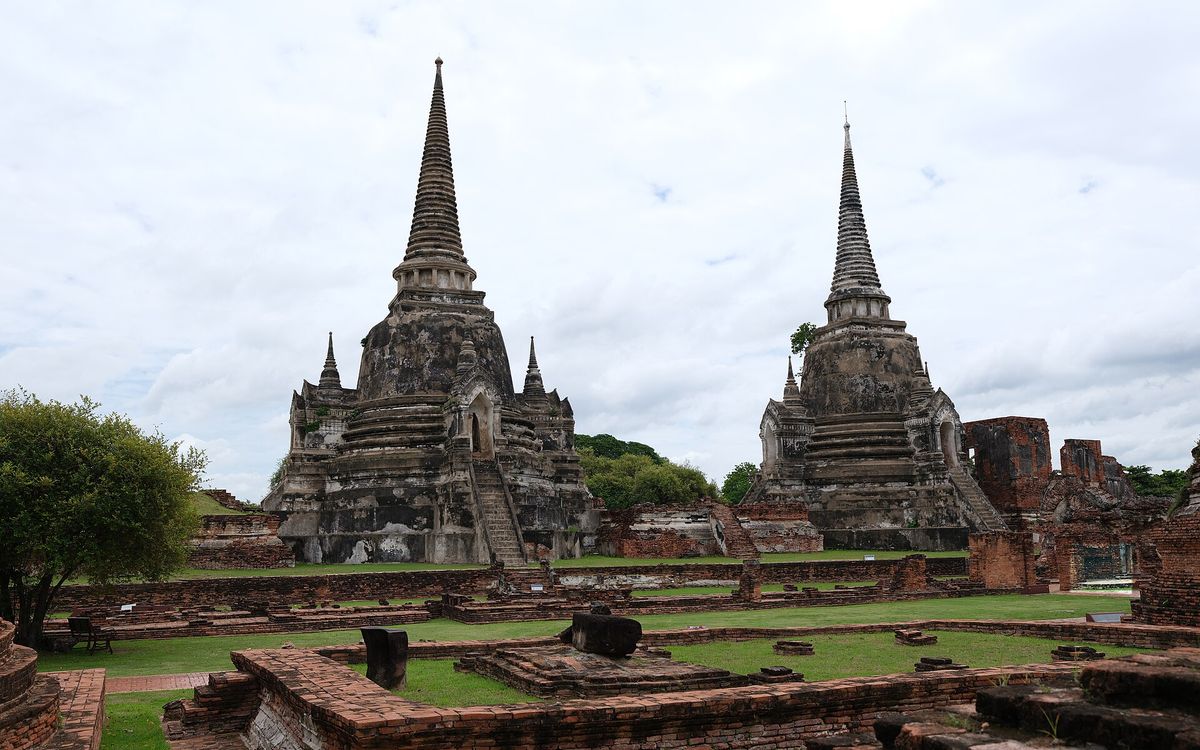
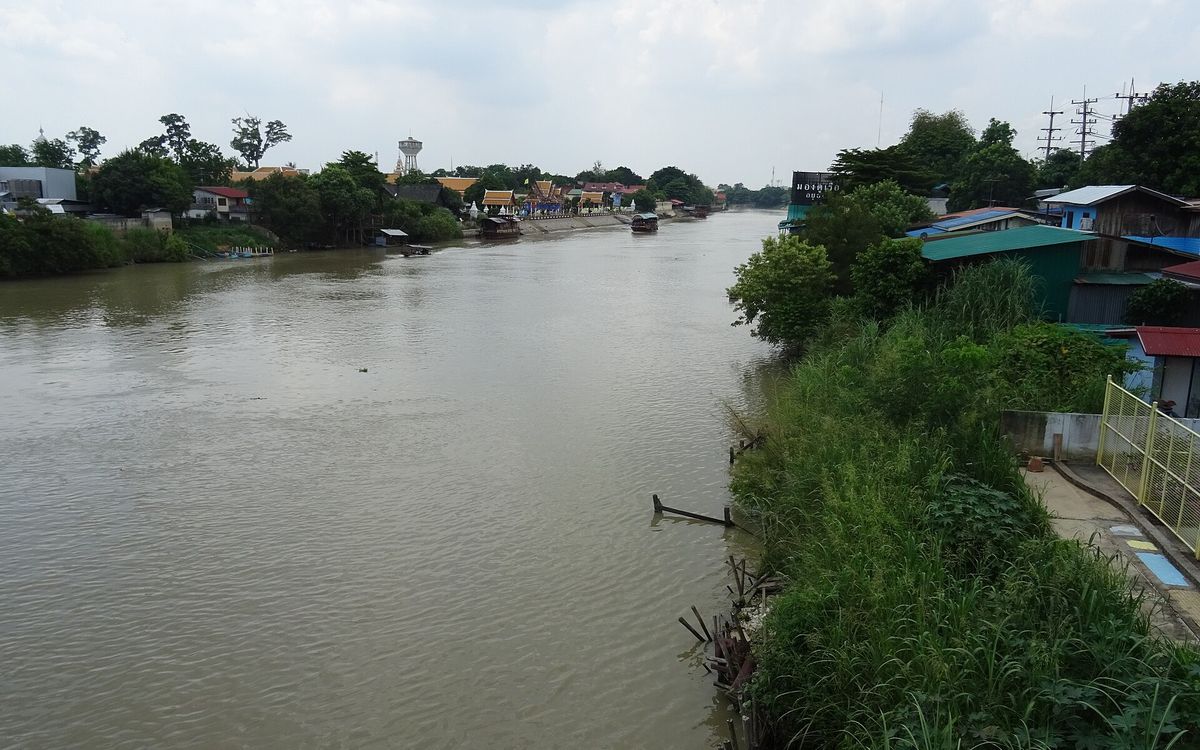
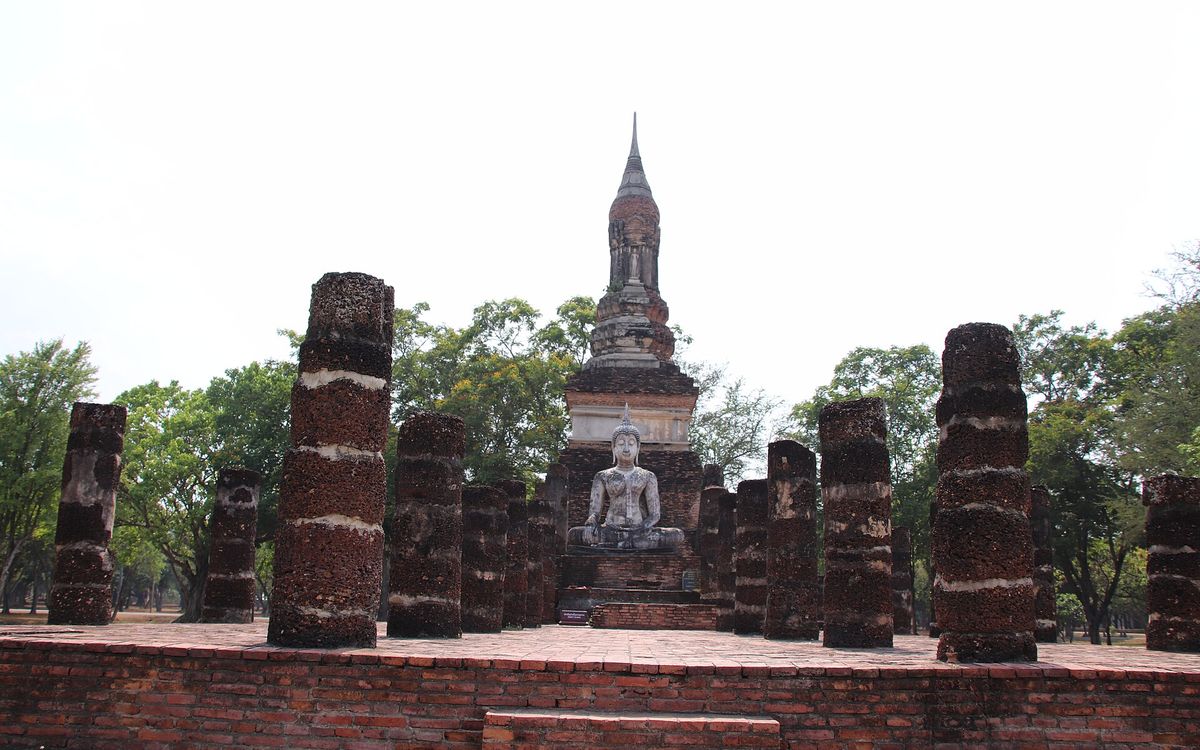
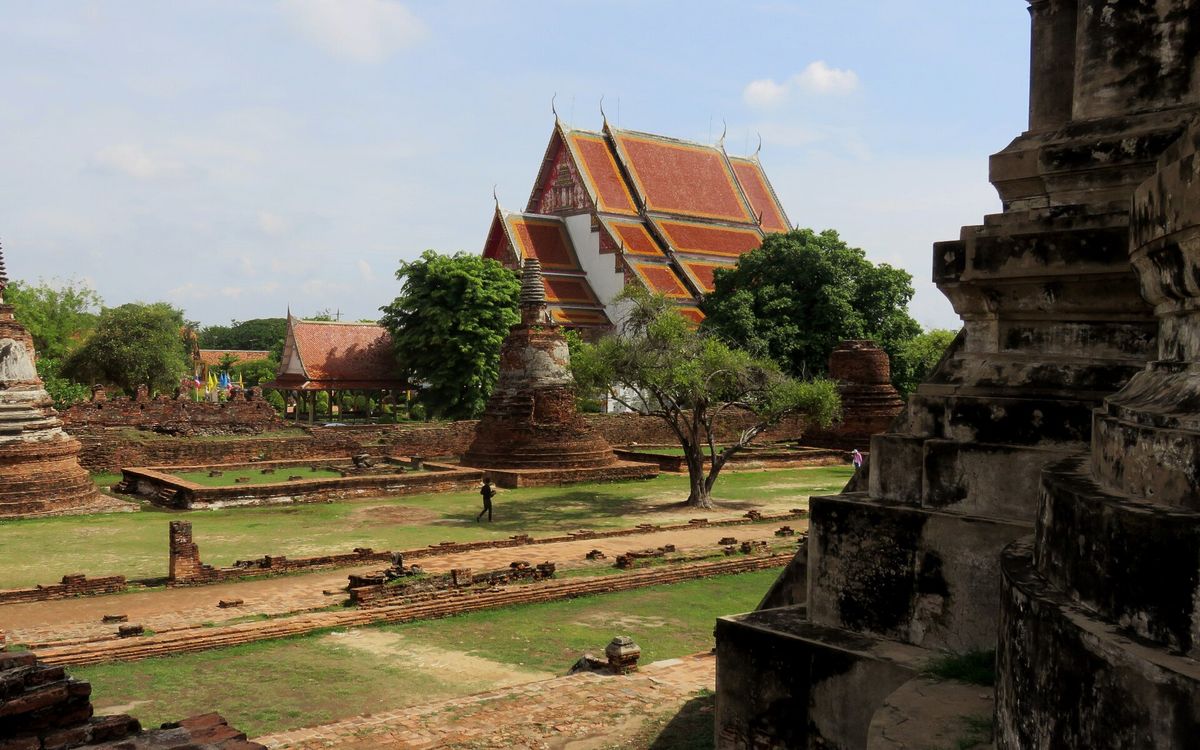
Ayutthaya served as the capital of the Siamese kingdom for more than four centuries, and its surviving prang, chedi and Buddha images still define the island today. The historical park is not a sealed archaeological zone: schools, markets, homes and active monasteries share the same river-ringed landscape. That coexistence is what separates a meaningful visit from a checklist of brick ruins.
The most famous monuments tell different chapters. Wat Mahathat evokes royal ceremony and monastic learning; Wat Ratchaburana preserves a powerful Khmer-influenced prang; Wat Phra Si Sanphet belonged to the former royal palace; Wat Chaiwatthanaram makes the west bank essential. Read the wider background through GlobeSaga Wiki, then use local interpretation to distinguish restoration, loss and living religious practice.
One full day can cover the headline ruins, but an overnight changes the experience. Dawn is cooler and quieter, sunset gives the riverside temples depth, and an evening market reconnects royal history with present-day Ayutthaya. Bicycles work for confident riders in cooler hours; a tuk-tuk or driver is safer when heat, traffic or widely separated temples make cycling uncomfortable. Dress for active temples even when nearby ruins appear informal.
“Ayutthaya becomes clear when the rivers, ruins and living city are read as one landscape.”