A capital built on the seam between lake and sea
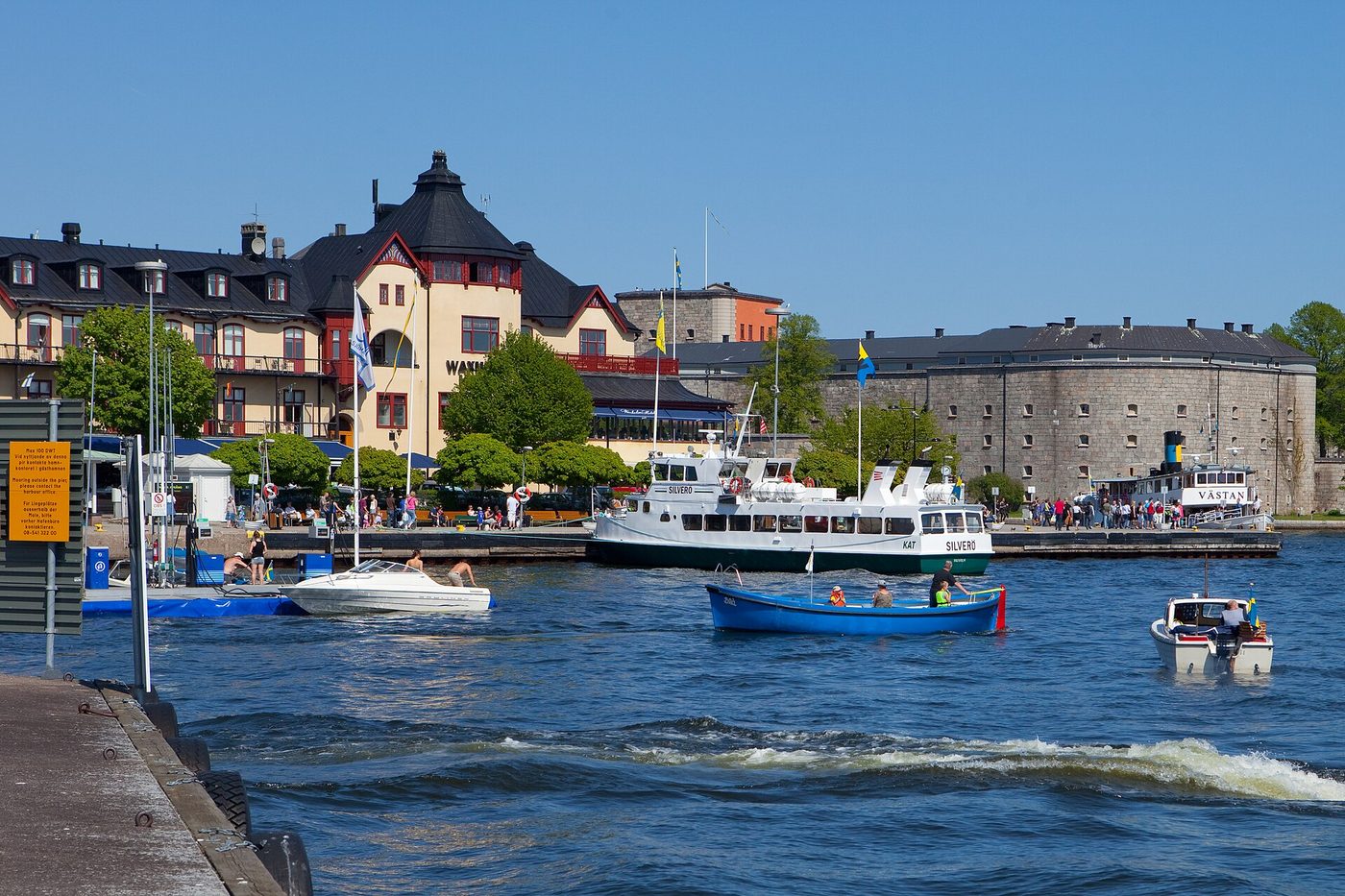
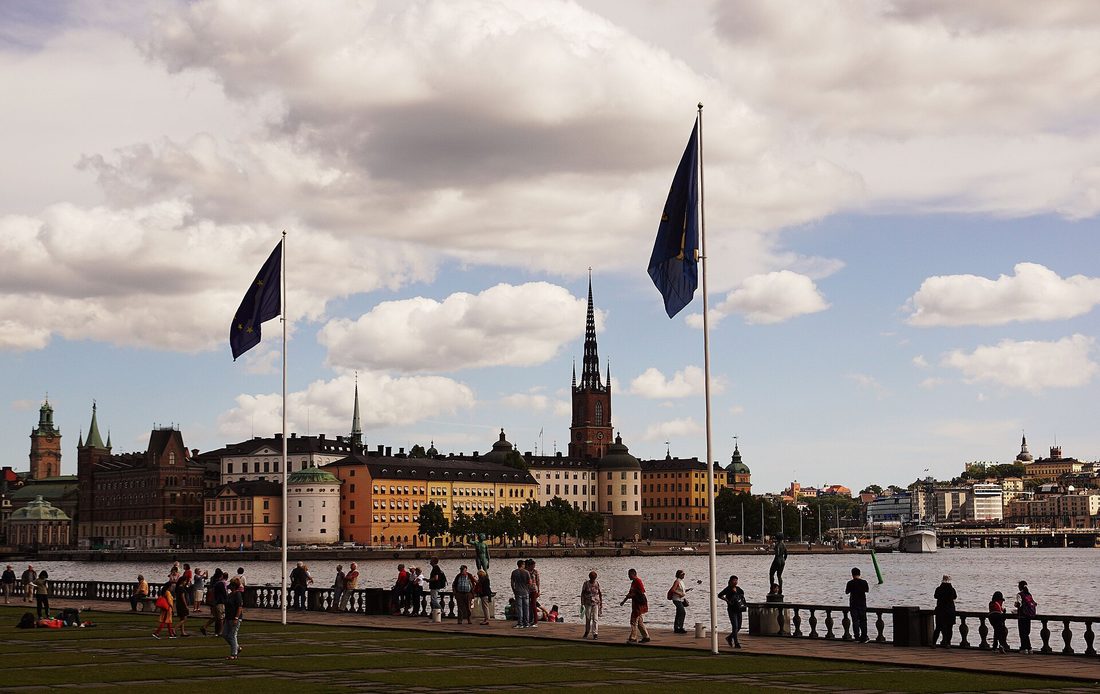
Stockholm sits exactly where Lake Mälaren empties into the Baltic, and the city has never stopped being organised by that fact. Fourteen islands carry the centre; a further thirty thousand carry the archipelago beyond it. The practical consequence is that almost every walk here ends at water, and that the shortest route between two districts is often a commuter ferry rather than a street.
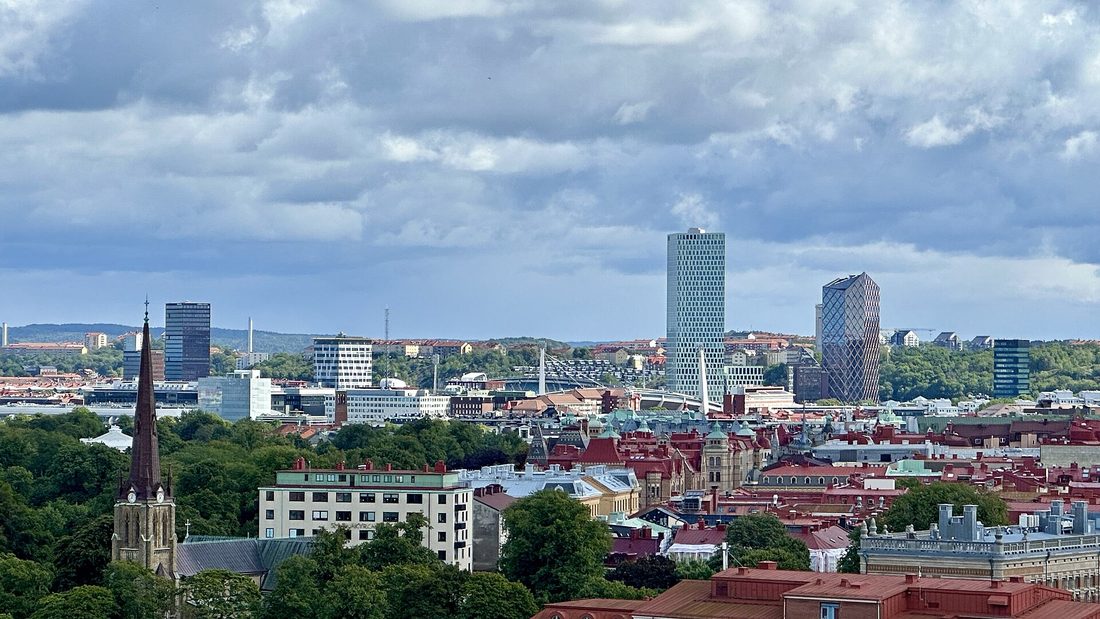
The oldest part is the smallest. Gamla stan is a single compact island of ochre and oxblood facades, with the royal palace at its north end and lanes narrow enough that two people with rucksacks have to negotiate. Ten minutes on foot across one bridge and you are in Norrmalm, the twentieth-century downtown; ten minutes across another and you are climbing the cliffs of Södermalm, which is where most Stockholmers would actually take you.
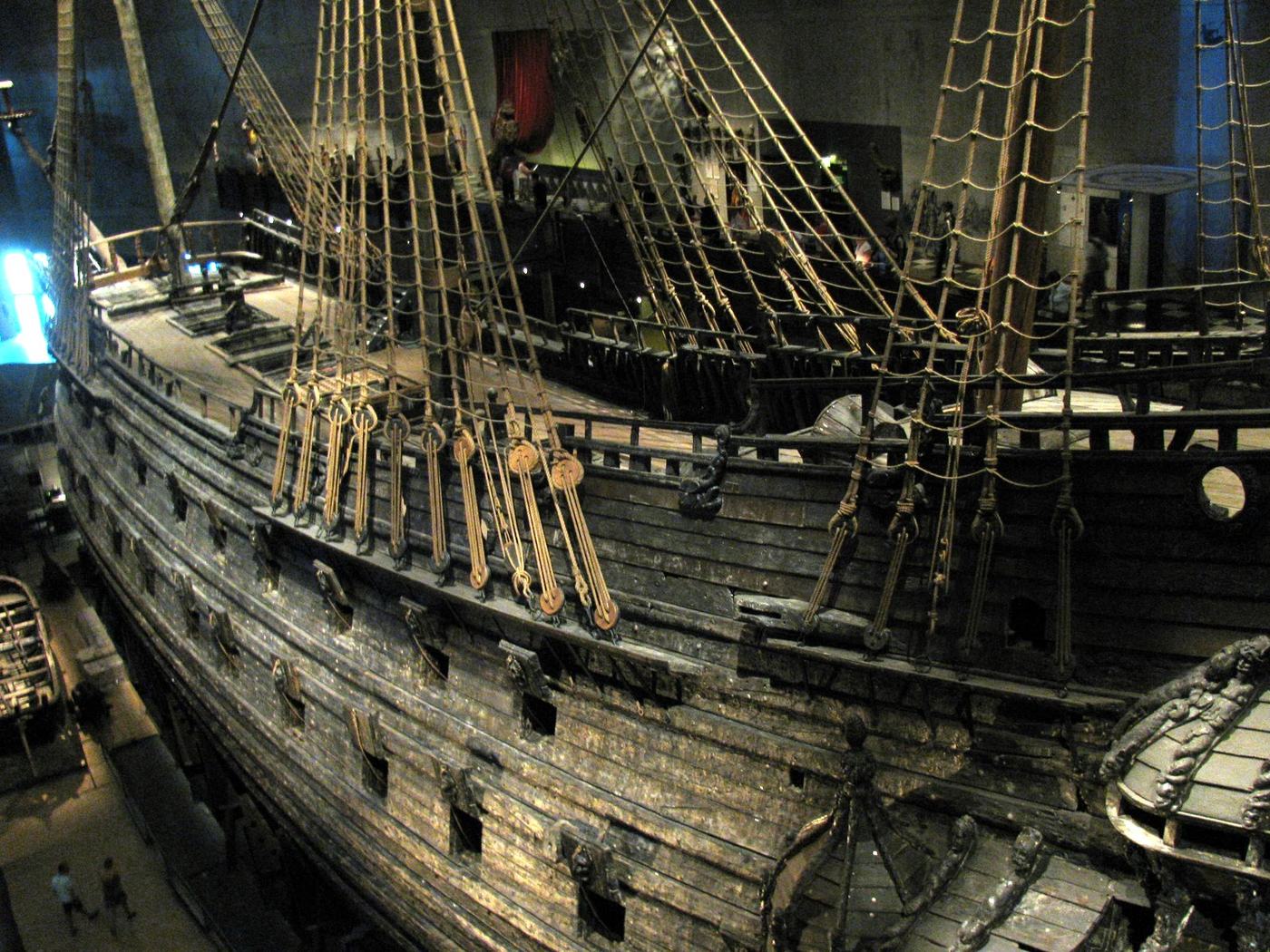
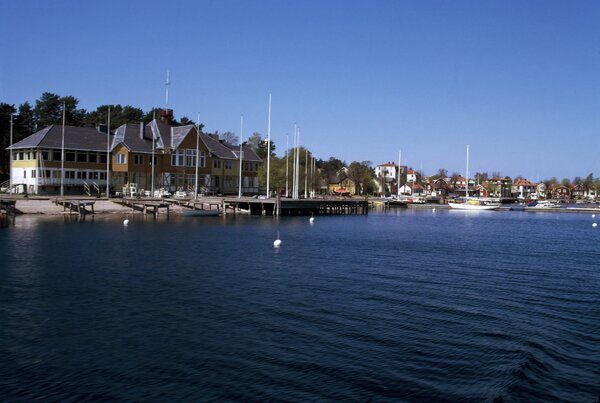
Give it three nights. That covers the Vasa Museum, one long morning on Djurgården, an afternoon in the old town and two proper evenings. A fourth night buys the archipelago — and the archipelago is the reason to add it, because the inner islands and the outer skerries are not the same place and a single boat trip will only show you one of them.
“Stockholm is a city you understand from the water. Take one ferry more than you planned and the map rearranges itself.”