Campers pitched on open ground at Haväng on the Skåne coast
Expensive in the obvious places only

Sweden on a Budget

Sweden's reputation for being expensive rests on two things: alcohol and restaurant dinners. Almost everything else — nature, swimming, transport, lunch and the ground you sleep on — is cheap, and a good deal of it is a legal right.

"Sweden is expensive" is the least useful sentence written about the country. It is true of a gin and tonic in a Stockholm bar and a Tuesday-night hotel room, and false of a hot lunch, a train booked in time, a night in a forest, a museum, a swim, a ferry and a week in a cabin. The gap between the two lists is enormous, and knowing which side of it you are standing on is the whole skill.

This guide names what actually costs money, explains allemansrätten properly — the right of public access that lets you sleep on land you do not own — and then works through sleeping, eating, city days and moving around. For the food behind the lunch deal, read the food guide; for hiking, read the hiking guide.

Genuinely expensiveAlcohol in bars, restaurant dinners, taxis, midweek hotels
Genuinely freeNature, wild camping, swimming, all thirty national parks
Best-value mealDagens lunch, weekdays roughly 11.00 to 14.00
Counter-intuitiveCity hotels are cheapest in July and at weekends
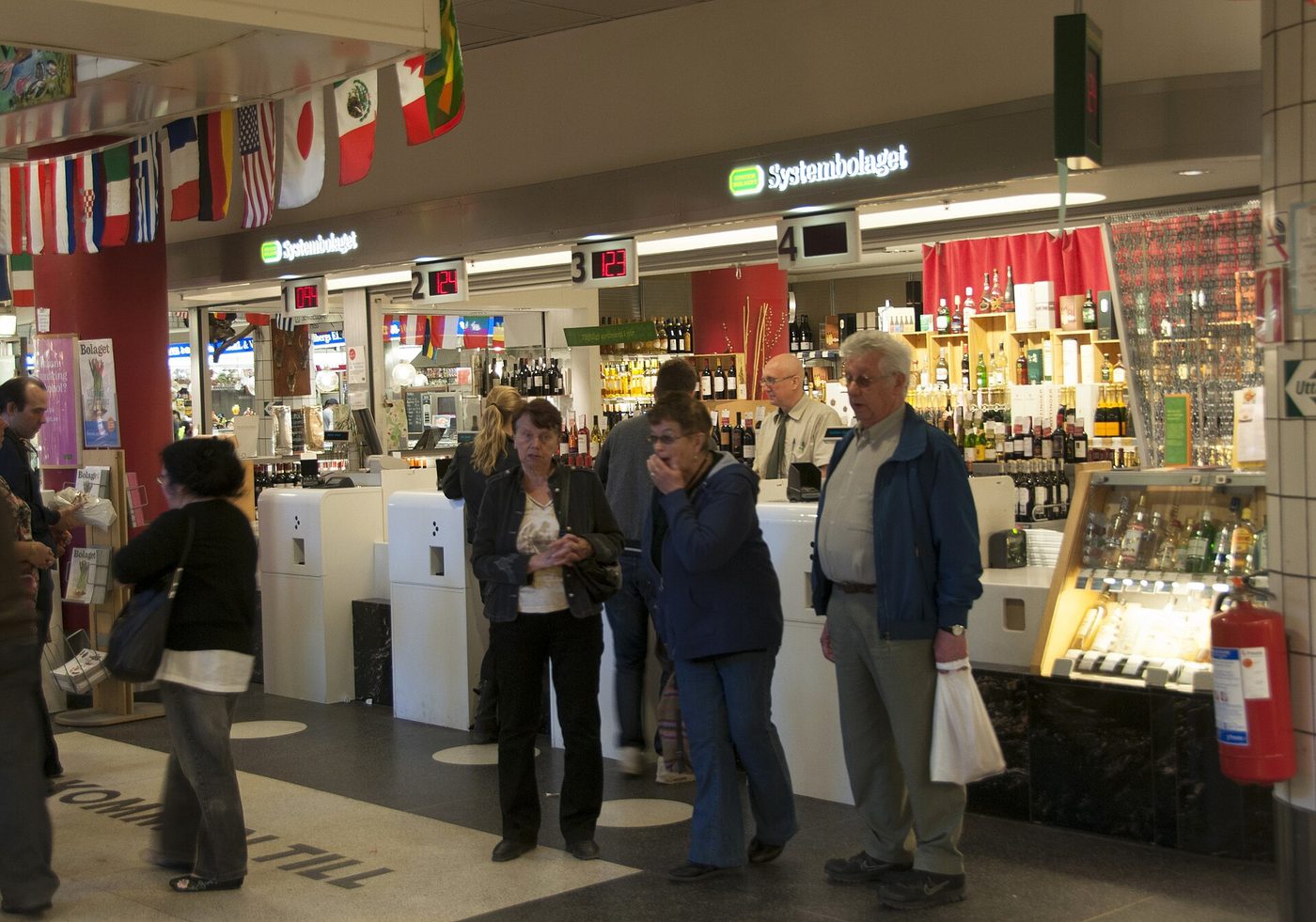
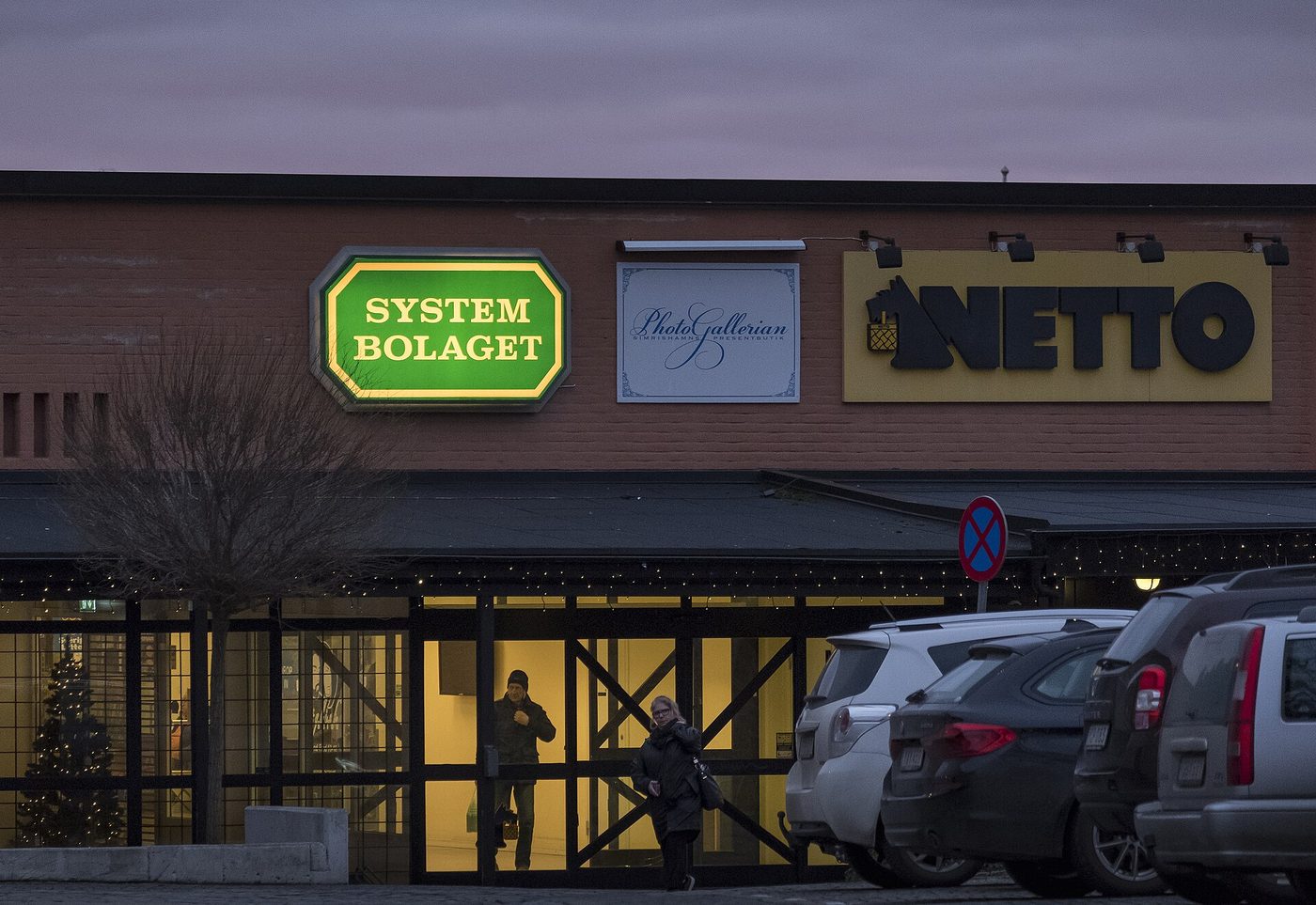
A Systembolaget shop beside a supermarket in Simrishamn
Chapter 01

What actually costs money

Systembolaget · Alcohol tax · Dinner · Taxis · Midweek hotels

Four things. Everything else in Sweden is priced somewhere between normal and cheap by western European standards.

Alcohol, and it is deliberate

Anything above 3.5 per cent alcohol can only be sold for taking home by Systembolaget, the state monopoly. Supermarkets carry folköl at 3.5 per cent and nothing stronger. The monopoly plus a high alcohol tax is the single biggest reason the country reads as expensive, and it is policy rather than accident.

What catches visitors out is not the price but the hours. Systembolaget closes at three on Saturday and does not open at all on Sundays or public holidays, so a Friday afternoon is the last chance for a weekend. You must be twenty to buy there and eighteen to drink in a bar. A drink bought in a bar is where the money really goes; the same bottle from Systembolaget is a fraction of it.
Dinners, taxis and the hotel market that runs backwards

A restaurant dinner is the other genuine cost, and the same kitchen at noon is roughly a third of it. Taxis have been deregulated since 1990 and there is no cap on the fare: two cars on the same rank can differ by a factor of three. Every taxi must display a comparison price in the window — read it before you get in.

Hotels in Stockholm and Gothenburg are a business-travel market, which inverts the usual European pattern: Sunday to Thursday outside the holidays is the expensive window, and July, Christmas and weekends are the cheap one. A room in central Stockholm in mid-July can cost less than the same room in late September.

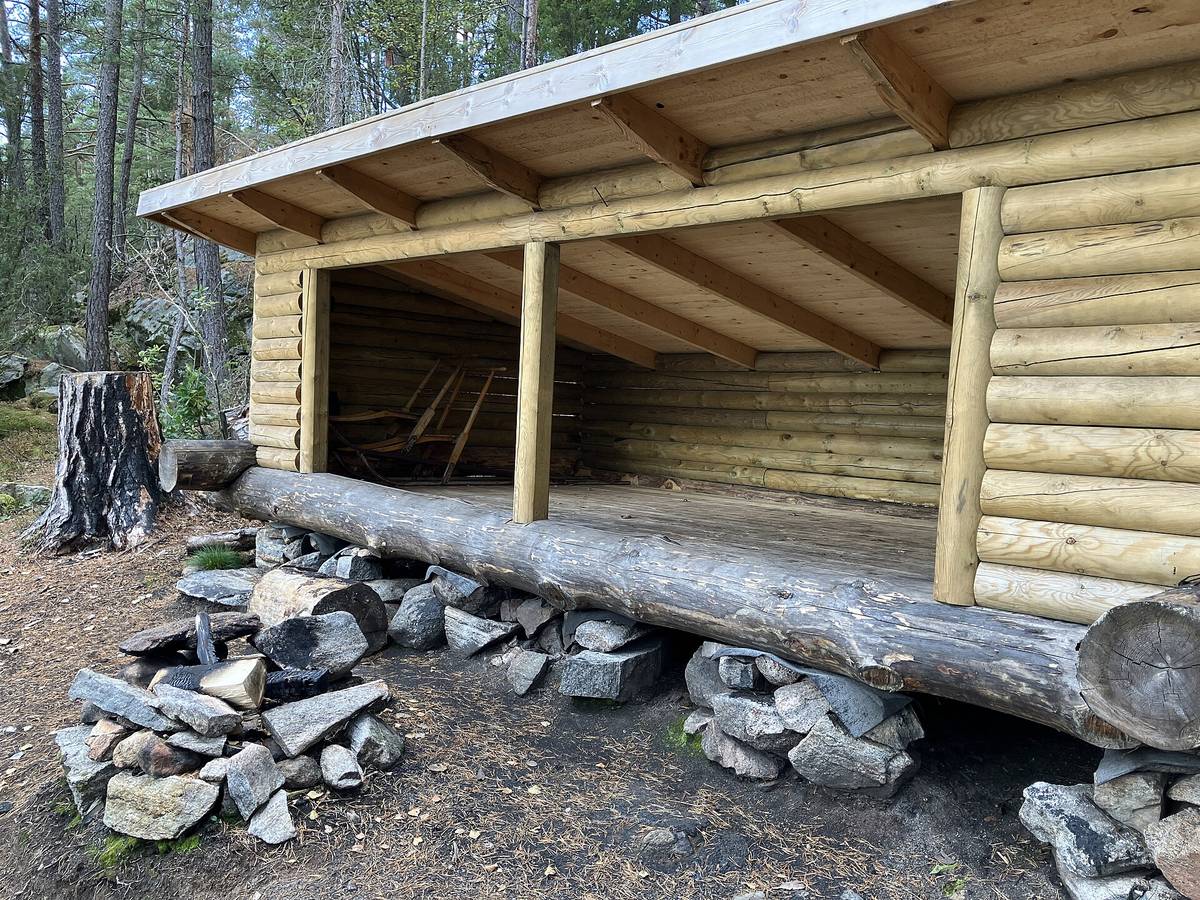
A public lean-to shelter beside a lake in Västra Götaland
Chapter 02

Allemansrätten: the largest free thing in Europe

Right of public access · A night or two · Hemfridszon · Berries · Fire bans

You may walk across, swim in, sleep on and pick from land you do not own. It is not a loophole; it is the law, and Swedes take both halves of it seriously.

What you may do

Allemansrätten lets anyone walk, cycle, ski, ride, swim, moor a boat and pitch a tent on uncultivated land regardless of who owns it, including most private forest. A tent may stand for a night or two in one place; longer than that needs the landowner's permission. You may pick wild berries, mushrooms and flowers that are not legally protected, and take fallen wood.

All thirty of Sweden's national parks are free to enter, as are the nature reserves. There is a network of free wind shelters — vindskydd, three walls and a roof with a fire pit in front — along marked trails, first come first served. Nobody books them and nobody owns them for the night.

What you may not, and the two rules that matter

You must stay out of the hemfridszon, the zone of domestic privacy around a dwelling — treat it as out of sight and out of earshot rather than as a measured distance — and off gardens, planted fields and young plantations. You may not fell trees, take living wood, or drive off-road. National parks and reserves have their own rules that override the general right, and they are posted at the entrance.

Open fires are allowed with care, but in dry spells the county issues an eldningsförbud — a fire ban — and it is enforced. Check before lighting anything, including a camping stove in the worst summers. The phrase every Swedish child learns for the whole arrangement is stör inte, förstör inte: do not disturb, do not destroy.

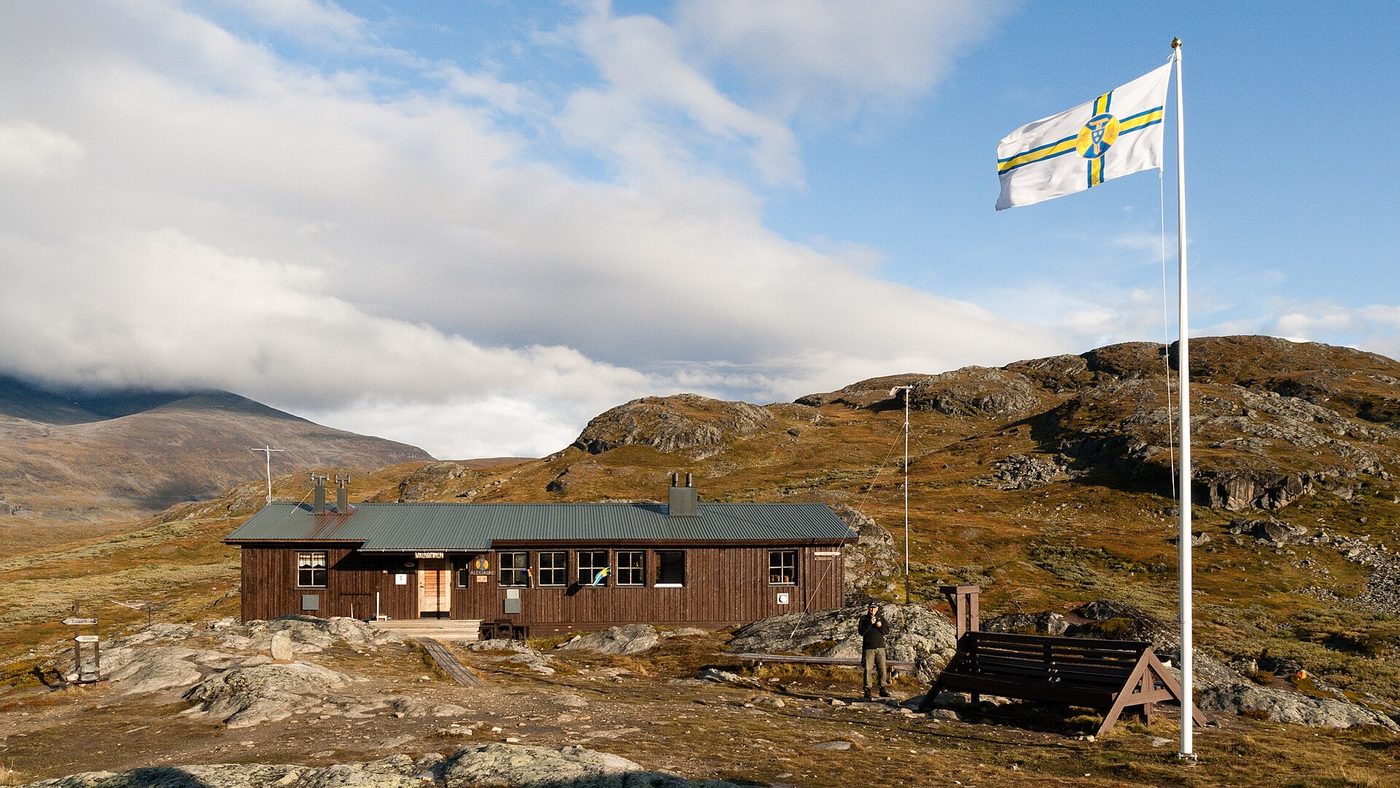
The Swedish Tourist Association's mountain huts at Alesjaure on the Kungsleden
Chapter 03

Sleeping cheaply, which is easier than it sounds

STF · Vandrarhem · Fjällstugor · Stugby · Camping Key

Sweden has a nationwide cheap-accommodation network that most visitors never find because it is not marketed abroad.

The Swedish Tourist Association runs half of it

STF — Svenska Turistföreningen — operates the hostel network and the mountain huts. A vandrarhem is a hostel in the useful sense: private rooms as well as dorms, a self-catering kitchen, and often a building with a past, a manor house or an old school or a lightship. Membership pays for itself in about three nights.

In the mountains, the fjällstugor along Kungsleden and the other marked trails sit roughly a day's walk apart. Most cannot be booked and nobody is turned away — if the beds are full you get a mattress on the floor. That is the point of them, and it is why the Swedish mountains are walkable without carrying a tent.

Cabins, campsites and the maths of a family

The stugby — a village of simple cabins with bunks, a kettle and a lake — is how Swedish families themselves travel, and it costs less than two hotel rooms anywhere. Commercial campsites are cheap and usually want a Camping Key Europe card, which you buy on arrival.

In cities, an apartment for four undercuts two hotel rooms, and hostels in Stockholm and Gothenburg are genuinely good. The one free bed in Sweden that is also transport is the night train: a berth north to Luleå or Kiruna replaces a hotel night and a flight in one booking.

Counters inside Hötorgshallen market hall in Stockholm
Chapter 04

Eating well for a third of the price

Dagens lunch · Saluhall · Korv · Supermarkets · Tap water

Move your main meal to noon and the food budget for the whole trip changes shape.

Dagens lunch is the whole trick

On weekdays between roughly eleven and two, most Swedish kitchens serve one or two dishes at a single fixed price that includes a salad table, bread and butter, a soft drink and coffee afterwards. It is served in ordinary restaurants that charge several times as much for dinner in the same room, and it is the single best-value meal in northern Europe.

Market halls run the full range. Östermalmshallen in Stockholm is beautiful and priced accordingly; Hötorgshallen, ten minutes away, feeds people cheaply all day from Turkish, Greek and Swedish counters. Gothenburg has Saluhallen; Malmö has its own hall. A grilled korv from a kiosk is the national fallback and costs less than a coffee.

Supermarkets, water and the cashless country

Willys, Lidl and City Gross are the cheap chains; ICA and Coop sit above them and are everywhere. Bread, cheese, filmjölk, cured fish and berries are all good and cheap, and every supermarket has a hot counter at lunchtime. Tap water is excellent everywhere in Sweden; no restaurant will charge for it or find the request odd.

Sweden is close to cashless. Cards work for everything down to a public toilet, many shops and cafes no longer accept notes at all, and Swedes pay each other by phone. Bring a card with no foreign-transaction fee rather than currency, and expect to be mildly inconvenienced if you insist on cash.

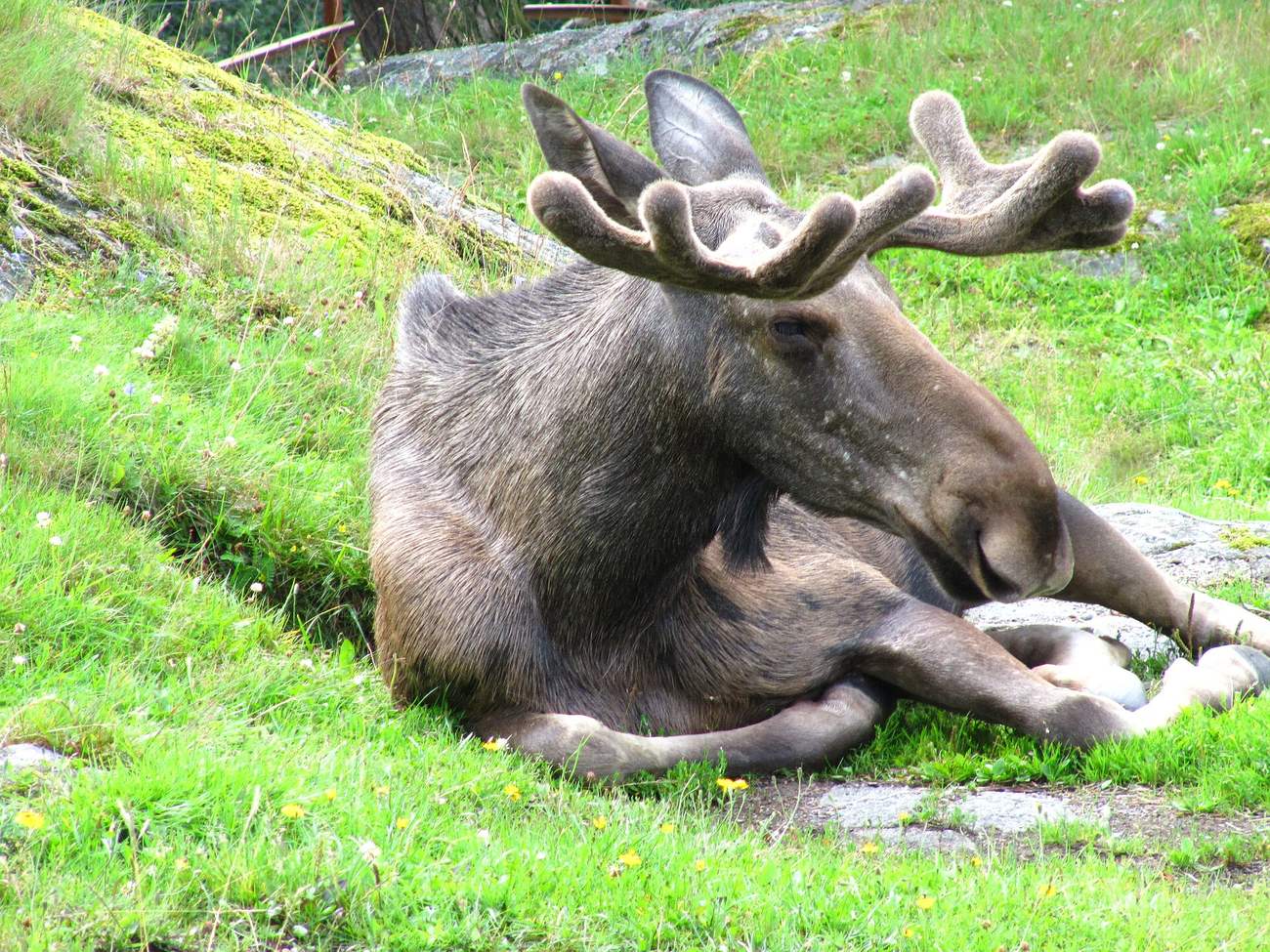
An elk in the free animal park at Slottsskogen in Gothenburg
Chapter 05

What is free in the cities

Parks · Churches · Metro art · Libraries · Viewpoints

A Swedish city day can cost the price of a transport ticket and a lunch, and still be a full one.

The free list is longer than the paid one

Churches are open and free, including Uppsala's cathedral — the tallest in Scandinavia — and the ruined churches inside the wall at Visby. Stockholm's metro is an art gallery: more than ninety of its hundred stations carry commissioned work, and a normal ticket buys all of it. Skogskyrkogården, a world heritage site, has its own metro station and no gate.

In Gothenburg, Slottsskogen is a free park with a free animal enclosure in it, and unusually for a European city park the elk are actually visible. City libraries are open to anyone, warm, and in Stockholm's case a Gunnar Asplund building worth the visit on its own. Every city has a signposted free viewpoint; in Stockholm it is the cliff path along Monteliusvägen.

Museums, honestly

Free entry to the national museums' permanent collections was funded by a government grant that was withdrawn in the 2023 budget, and the museums responded differently: some kept it, some reintroduced a charge for adults, some run free evenings instead. Under-19s are free almost everywhere. Do not trust a listicle — check the museum's own page for your date.

The paid attractions actually worth the money are few and obvious: the Vasa Museum and Skansen in Stockholm, Liseberg in Gothenburg, the mine at Falun in Dalarna, and the ice hotel at Jukkasjärvi in winter. Everything else can wait until you have run out of free things, which will take a while.

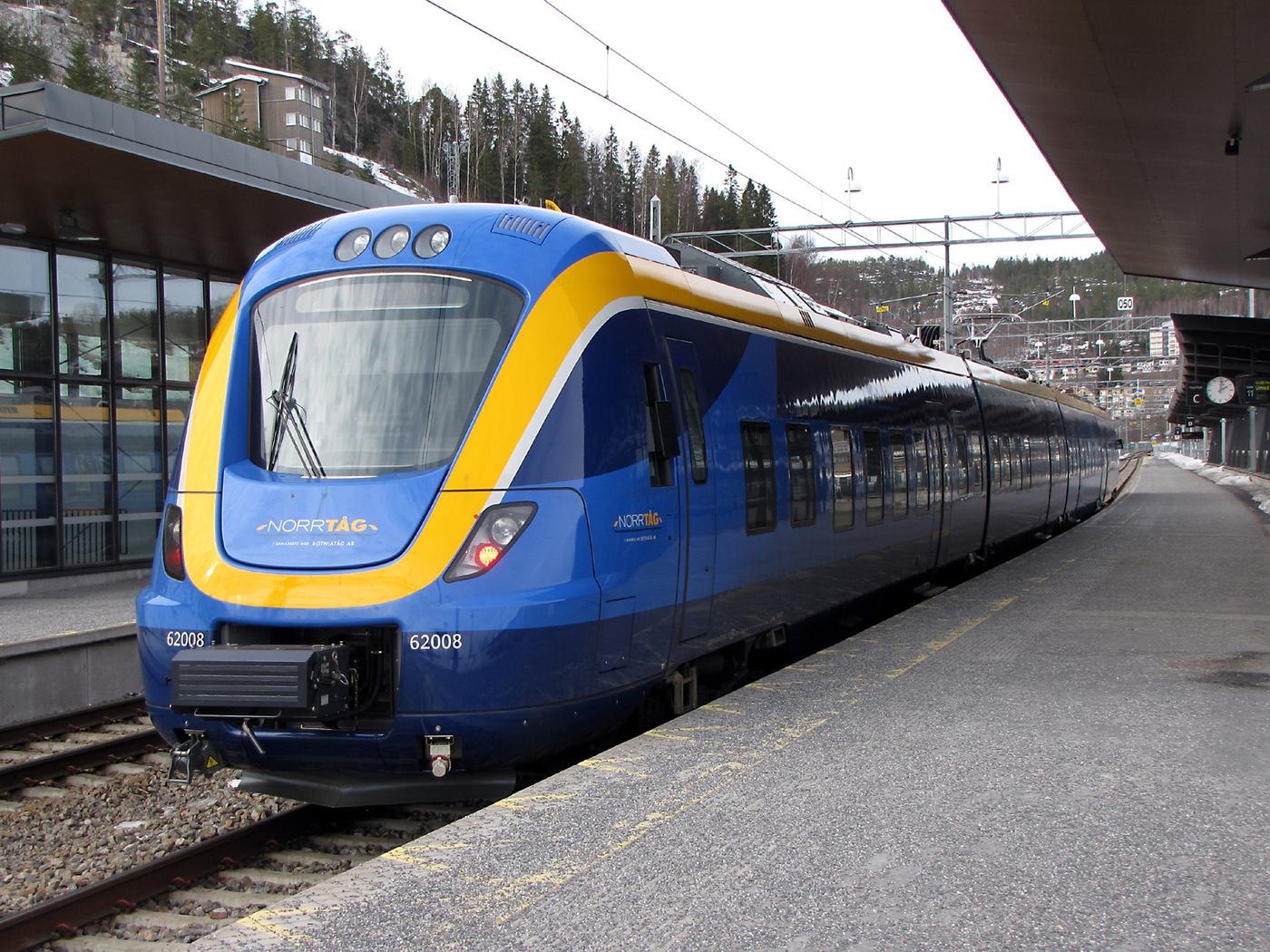
A Norrtåg regional train at Örnsköldsvik
Chapter 06

Moving around for less

90 days · Regional day tickets · Night train · Coaches · Tolls

Swedish transport is priced on when you buy and which ticket you ask for, not on how far you are going.

Trains: the booking window is the price

SJ releases its cheapest fares in batches around ninety days before departure and they climb as the train fills, so the same seat can differ several-fold depending on the day you buy it. For anything inside one region, ignore point-to-point fares entirely and buy the regional operator's day or period ticket — Skånetrafiken, Västtrafik, SL, Norrtåg.

In both Stockholm and Gothenburg the passenger ferries are included in that same ticket, which turns an archipelago trip into a bus fare. And a night-train berth north pays for itself twice, since it replaces a hotel room as well as a flight.

Coaches, flights, cars and bridges

Long-distance coaches undercut the train on the Stockholm–Gothenburg–Malmö triangle and take roughly twice as long; they are the cheapest way to move if time is the thing you have most of. Domestic flights only make sense for Norrland, and even there the sleeper is worth pricing against them.

Car hire itself is cheap; the running costs are not. Fuel is taxed heavily, Stockholm and Gothenburg both levy a congestion charge on entry, and the Öresund Bridge toll is high enough that the train to Copenhagen is obvious. The Öland bridge, by contrast, is free. Where a car genuinely earns its keep is Småland, Österlen and Dalarna, where the buses are thin and the distances short.

Where the money goes

The cheap version and the expensive version

No kronor figures here on purpose — they age badly. The ratios do not.

WhatThe expensive wayThe cheap wayRoughly the difference
The main mealDinner in a restaurant at eightDagens lunch in the same restaurant at noonAbout a third of the price
A drinkA cocktail in a city barThe same spirit from SystembolagetSeveral times over
A bed for fourTwo hotel rooms in the centreA stugby cabin or an apartmentLess than half
A bed in the mountainsA hotel in the resortAn STF fjällstuga on the trailA small fraction
A long train journeyBought on the day of travelBought inside the ninety-day windowOften several-fold
A day in the archipelagoA booked sightseeing cruiseThe commuter ferry on a city travelcardThe price of a bus fare
A city hotel roomTuesday in late SeptemberSaturday in mid-JulyThe Swedish market runs backwards
A night outdoorsA commercial campsite pitchA tent on open land under allemansrättenFree
Field notes

Six ways visitors overspend in Sweden

All six are avoidable without giving anything up.

Eating the main meal in the evening

The identical kitchen serves it at a third of the price at noon.

Weekdays, eleven to two, and coffee is included.

Arriving on a Saturday afternoon wanting wine

Systembolaget shuts at three and stays shut on Sunday.

Buy on Friday, or drink 3.5 per cent beer.

Booking city hotels for July because it is peak season

In Sweden that is the cheap season; the business weeks are dear.

Price a mid-July weekend against a September Tuesday.

Buying train tickets on the day

The cheap fares were released three months earlier.

Set a reminder for the ninety-day window.

Getting into an unbooked taxi without reading the sticker

Fares are deregulated and the spread is enormous.

Check the comparison price in the window, or book by app.

Paying for a sightseeing cruise

The commuter ferries go to the same islands on a normal ticket.

Vaxholm from Stockholm; Vrångö from Gothenburg.

Before you book

Six things to settle first

Six decisions that between them account for most of a Swedish budget.

Your travel dates against the hotel market

July and weekends are the cheap window in cities.

The ninety-day rail window

Are your fares on sale yet?

Lunch as the main meal

Decide it now; it changes everything else.

A regional day ticket

One per city, and it includes the ferries.

Camping or cabins

Allemansrätten, a stugby, or an STF hut.

Systembolaget's hours

Closed Sundays, shut at three on Saturday.

Honest planning

Frequently asked questions

Answers about what Sweden actually costs, and which parts of the reputation are true.

Only in specific places. Alcohol in bars, restaurant dinners, taxis and midweek city hotels are genuinely expensive. Weekday lunches, trains booked in advance, supermarkets, public transport, hostels, cabins and everything outdoors are cheap or free. Swap the main meal to noon and camp or take cabins, and Sweden costs less than France.
The right of public access lets you walk, swim, pick berries and pitch a tent on uncultivated land you do not own, including most private forest, for a night or two in one place. You must stay well away from houses and off gardens, planted fields and young plantations, and reserves and national parks have their own posted rules. The principle is: do not disturb, do not destroy.
Because anything above 3.5 per cent alcohol may only be sold for taking home by Systembolaget, the state monopoly. Supermarkets sell weaker beer only. Systembolaget closes at three on Saturday and does not open on Sundays or public holidays, and the minimum age to buy there is twenty, against eighteen in a bar.
In July, at Christmas, and at weekends — the reverse of most of Europe. City hotels here run on business travel, so Sunday to Thursday outside the holiday weeks is the expensive window. A room in central Stockholm in mid-July can undercut the same room in late September.
Not uniformly any more. The grant that funded free entry to state museums was withdrawn in the 2023 budget, and museums responded differently — some kept free permanent collections, some charge adults, some run free evenings. Under-19s are free almost everywhere. Check the specific museum's page for your date.
Almost never. Sweden is one of the most cashless countries in the world; cards work everywhere, many shops and cafes refuse notes outright, and locals pay each other by phone. Bring a card without foreign-transaction fees. Carrying a small amount of cash is harmless but you will probably come home with it.
The commuter ferries. In Stockholm they are ordinary public transport, so a run out to Vaxholm costs a normal fare; in Gothenburg the car-free southern islands are reached on the same Västtrafik ticket as the tram. Booked sightseeing cruises visit the same water for many times the price.
Continue the story

Move lunch to noon and book the train three months out

Two decisions account for most of the difference between an expensive Swedish trip and a cheap one. The third is sleeping outdoors, which is free.

Advertisement