A city built around shade
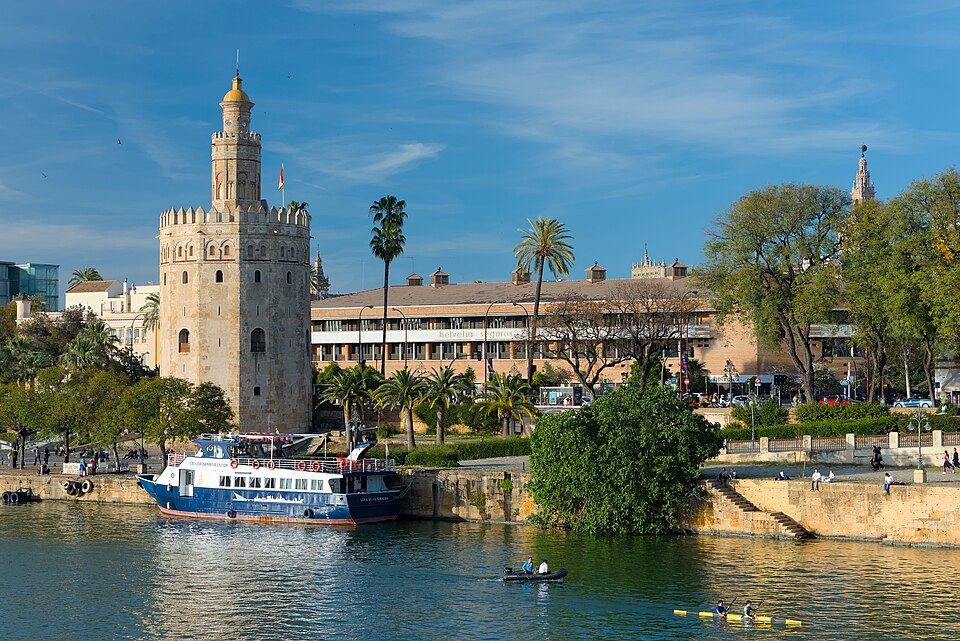
Seville is easy to photograph and easy to misread. The cathedral, the Alcázar and the Plaza de España sit within a twenty-minute walk of each other, which makes the city look like a morning's work. What that walk hides is that Seville was designed for a climate, not for a sightseeing list — narrow lanes, deep courtyards, orange trees and water are all answers to the same problem.
The layers are unusually legible here. The Giralda was built as a minaret and finished as a bell tower. The Alcázar is a Christian royal palace built in Islamic idiom by Muslim craftsmen, and it is still used by the Spanish royal family. Use GlobeSaga Wiki for background on the Alcázar of Seville, then go and stand in the Patio de las Doncellas early, before the tour groups arrive.
Allow three nights. That gives you two full mornings for the monuments, one for Triana or the Metropol Parasol, and the evenings — which is when Seville is actually itself. A fourth night makes Italica or Córdoba possible without turning the trip into a series of transfers.
“Seville rewards travellers who accept the local timetable instead of fighting it: out early, indoors at two, out again at nine.”