The city everyone used to drive straight out of
For thirty years Málaga was the place where Costa del Sol holidays began and ended, and almost nobody looked back at it from the motorway. That is no longer a sensible way to treat it. The old town is compact, walkable and almost entirely pedestrianised, and it holds more in twenty minutes' walking than most of the coast holds in fifty kilometres.
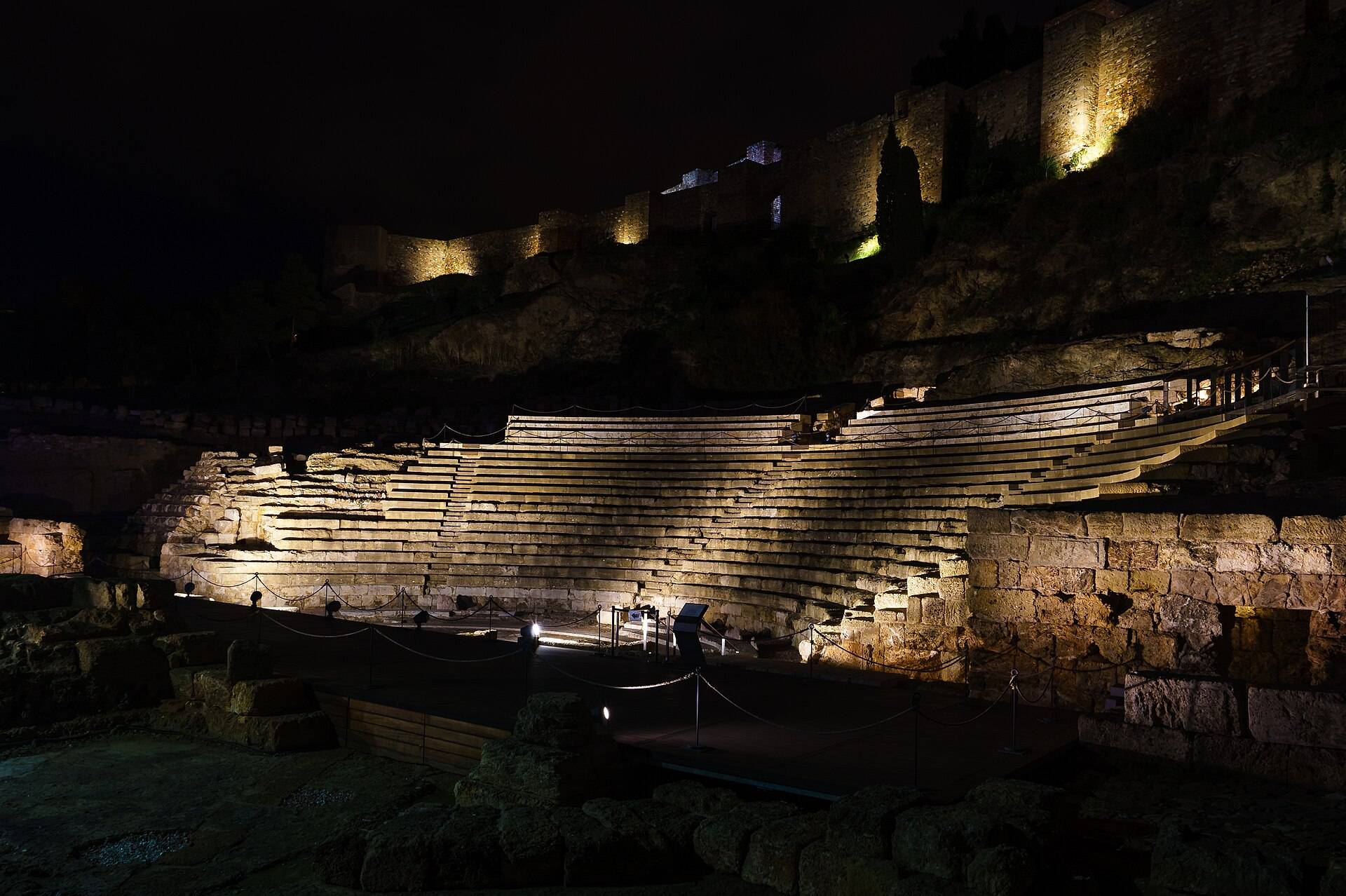
The centre is layered rather than pretty. The Alcazaba, the Moorish citadel, climbs the hill in terraces of gardens and gateways; a Roman theatre sits at its foot, uncovered during building work in the twentieth century and left open to the street; and a walled ramp runs on up to the Castillo de Gibralfaro above, which is where the view of the port comes from.
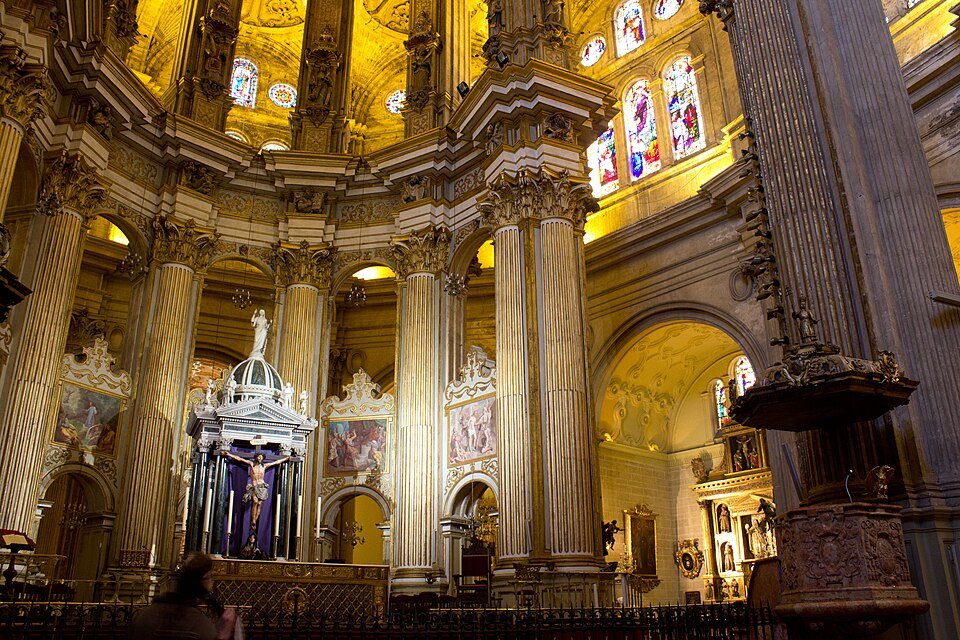
Pablo Picasso was born here in 1881, and the Museo Picasso Málaga occupies a sixteenth-century palace a few streets from the house. The cathedral nearby is the other landmark, a Renaissance building with one tower finished and the second left as a stump — which is why the city calls it La Manquita, the one-armed lady.
Then there is the part that has nothing to do with monuments. East of the port the city runs out through Pedregalejo and El Palo, old fishing villages it swallowed, where sardines are still threaded onto cane skewers and grilled over driftwood fires in the hulls of beached boats. That is the meal to plan a day around, and it is a bus ride rather than an excursion.
“Málaga rewards the traveller who stops in it rather than the one who changes terminal in it.”