A city built in layers, and best read that way
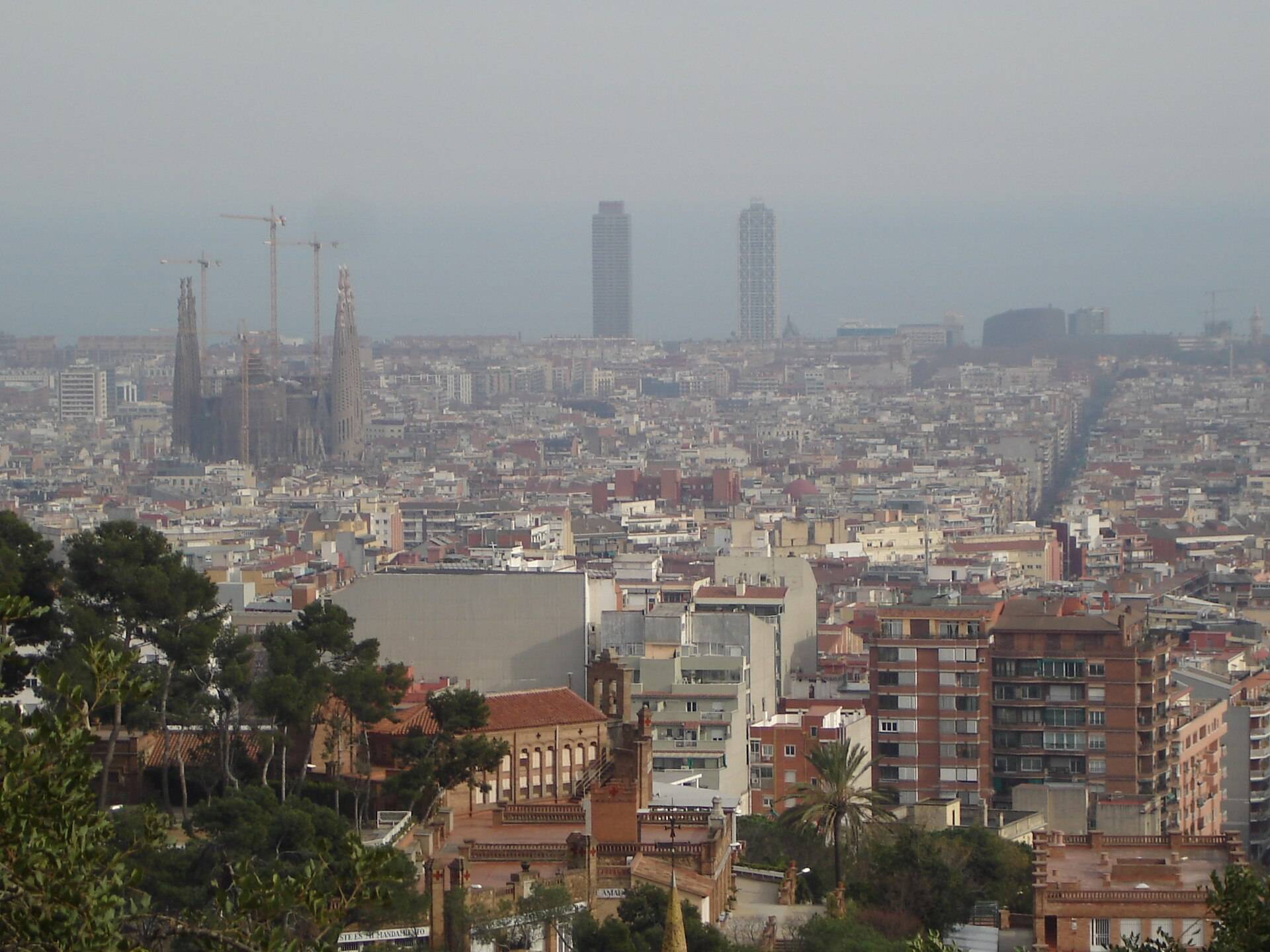
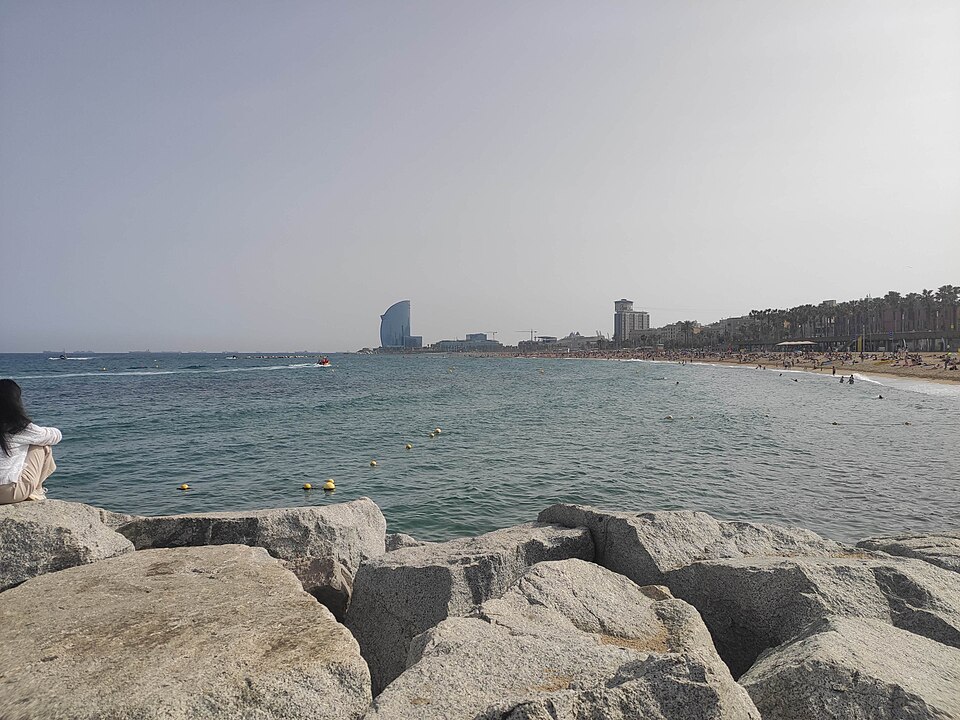
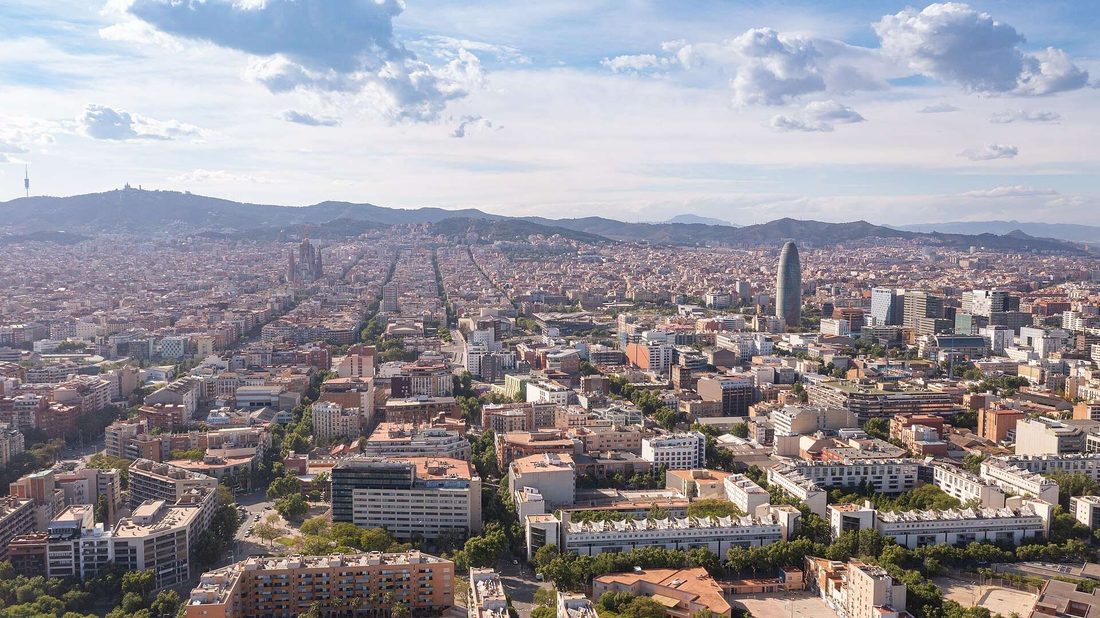
Barcelona is usually met as a list of Gaudí buildings, which undersells it. The real pleasure is how abruptly the layers change: a short walk separates the Roman street plan of the Barri Gòtic from Ildefons Cerdà's nineteenth-century grid, and both sit within reach of a working waterfront.
The Gothic Quarter runs from La Rambla to Via Laietana and keeps a labyrinthine medieval plan that is mostly closed to regular traffic, so walking it is the point rather than a means to an end. Use GlobeSaga Wiki for background on the Sagrada Família, then let the neighbourhoods do the rest of the explaining.
Allow at least four nights if you want the old city, the Eixample, one architecture-heavy day and a proper neighbourhood evening. Barcelona–El Prat is roughly 12 kilometres from the centre, with Aerobús, train and city bus links, and the metro reaches almost everything a visitor needs. A car is a liability here rather than an advantage.
“Barcelona makes sense when the metro is treated as part of the itinerary and one afternoon is left completely unplanned.”