Sea kayaker crossing calm Norwegian water beneath high mountains
Four seasons outside

Best Outdoor Activities in Norway

Cycle a mountain railway road, paddle between fjord walls, hike above turquoise lakes, surf an Arctic beach or ski through silent forest. Norway's greatest luxury is not one famous viewpoint—it is the freedom to build an entire journey outdoors.

Choose the activity before the destination. A brilliant trip matches season, daylight, weather, experience and transport. July is not automatically safe in high mountains, and winter scenery does not make uncontrolled backcountry terrain a ski resort.

This guide moves from accessible day adventures to activities that require professional guides, technical judgment or careful booking.

Best all-round seasonJune to September

Longest access for hiking, cycling and paddling, with regional variation.

Winter seasonDecember to April

Resort skiing, Nordic trails and snow activities; daylight varies sharply.

Essential forecastYr + Varsom

Check weather and official natural-hazard information before setting out.

Emergency112

Carry navigation and the equipment to help yourself when coverage fails.

Freedom comes with responsibility

Norway's right to roam—allemannsretten—allows respectful travel through uncultivated land. It does not make every path, garden, field or fragile habitat yours to use without limits. Keep away from homes, respect local restrictions, protect wildlife, carry out waste and leave the ground as you found it.

The Norwegian Mountain Code begins with planning, matching the route to your ability and checking weather and avalanche forecasts. Conditions change quickly around water, glaciers and high plateaus. If a trip exceeds your skill, a qualified local guide is part of the experience rather than an admission of failure.

  • Download offline maps and tell someone your route
  • Carry layers, food and an emergency margin even on short hikes
  • Use Varsom for official avalanche and natural-hazard information
  • Read the Norwegian Mountain Code before a mountain day
Eight ways into the landscape

From easy adventures to serious terrain

Each chapter suggests where to go, when it works and what should never be improvised.

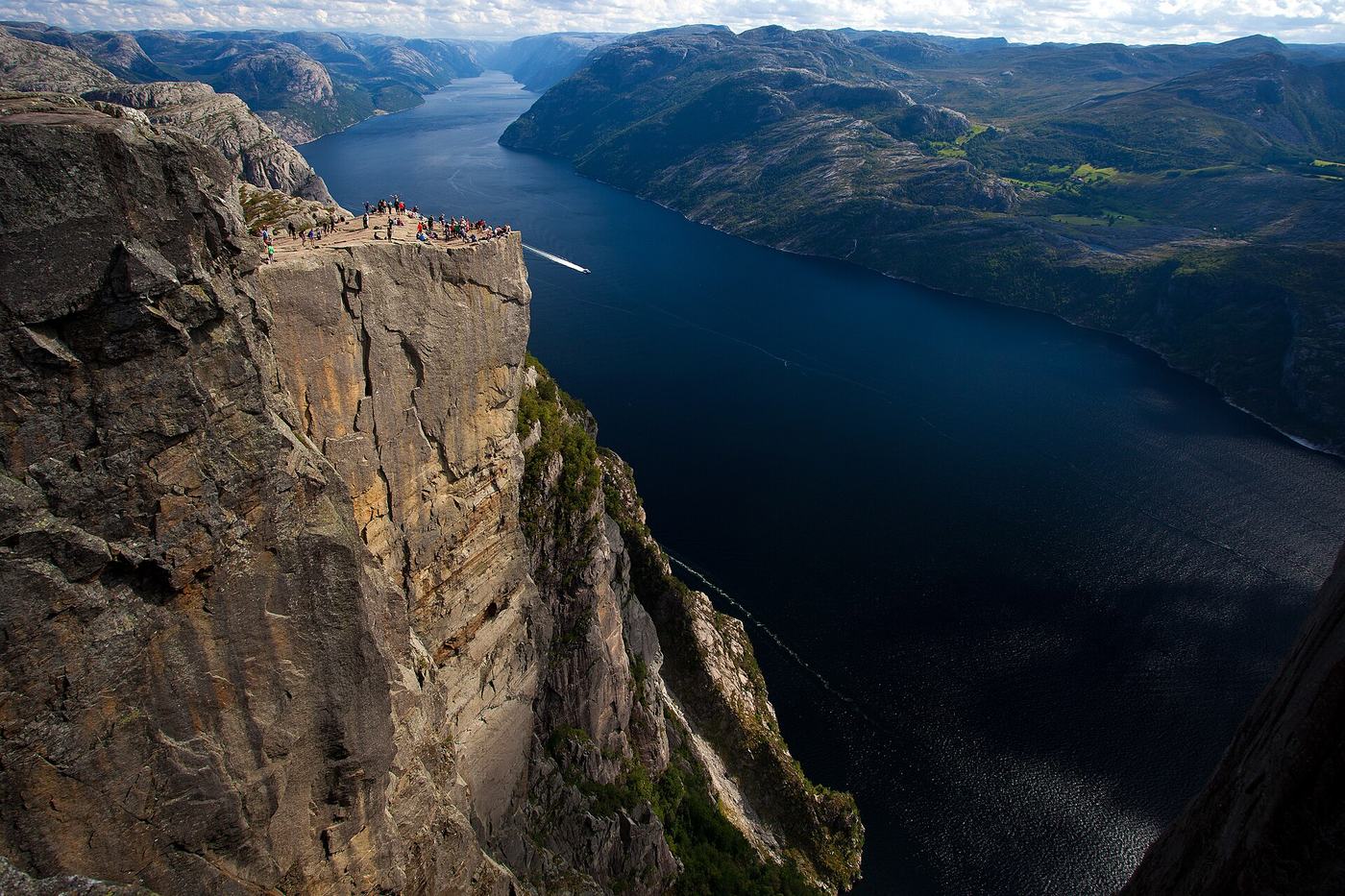
Hikers standing above Lysefjord at Preikestolen in Norway
01 · Hiking

Cliffs, ridges and hut-to-hut trails

Preikestolen · Besseggen · Trolltunga · Jotunheimen · DNT cabins

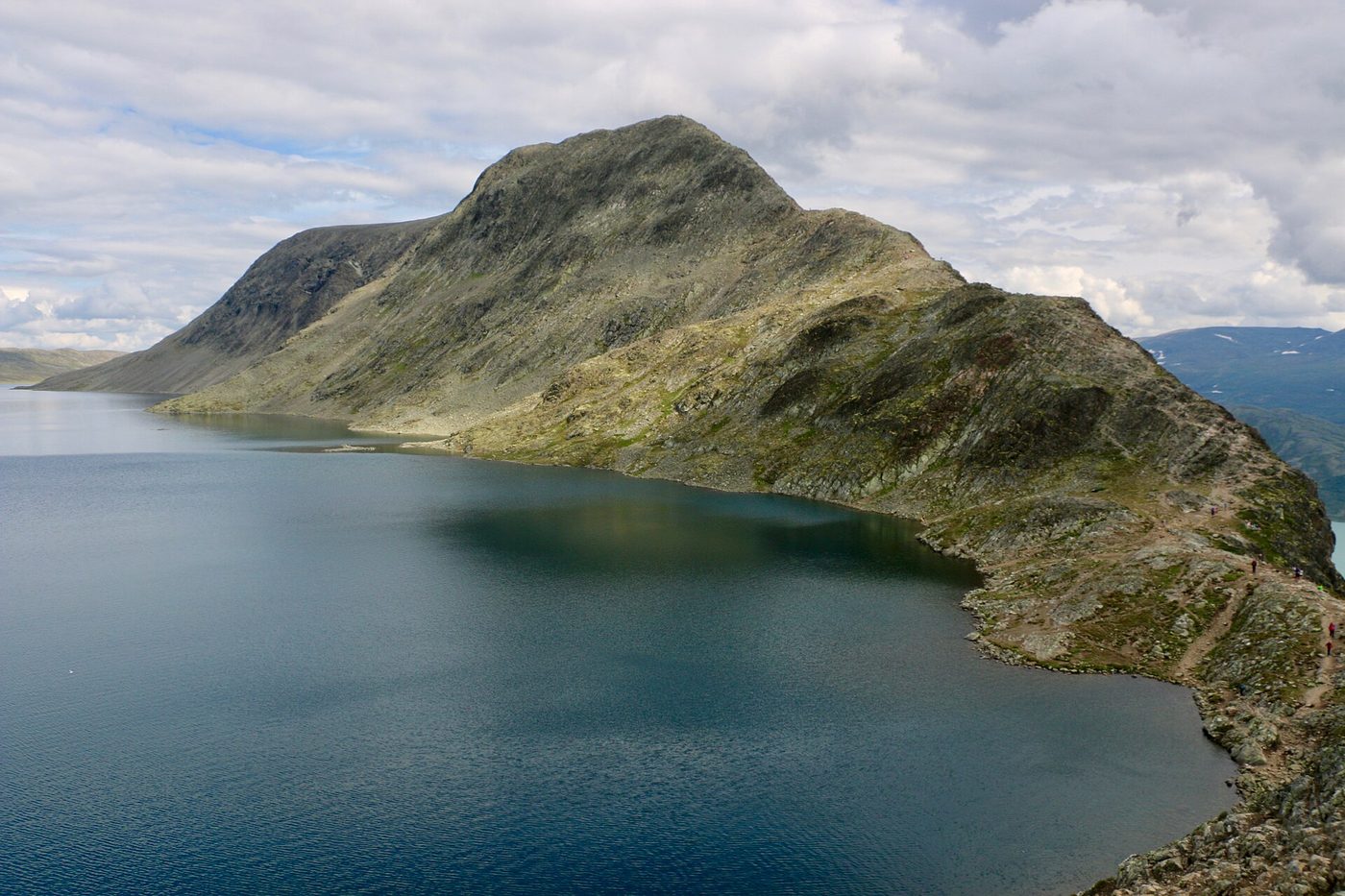
Norway's hiking spectrum runs from coastal paths beside a city to multi-day traverses between staffed and self-service cabins. Preikestolen is the most accessible icon; Besseggen adds exposed ridge terrain and transport logistics; Trolltunga is a long, demanding day whose season and conditions must be taken seriously.

For a deeper trip, walk between DNT cabins in Jotunheimen, Rondane or Hardangervidda. Trails can cross snowfields and unbridged rivers well into summer. Start with a route comfortably below your maximum ability and build in a weather day.

  • Use local parking and shuttle systems at heavily visited trailheads
  • Do not approach cliff edges for a photograph in wind, ice or poor visibility
  • Turn around before fatigue, weather or darkness removes your safety margin
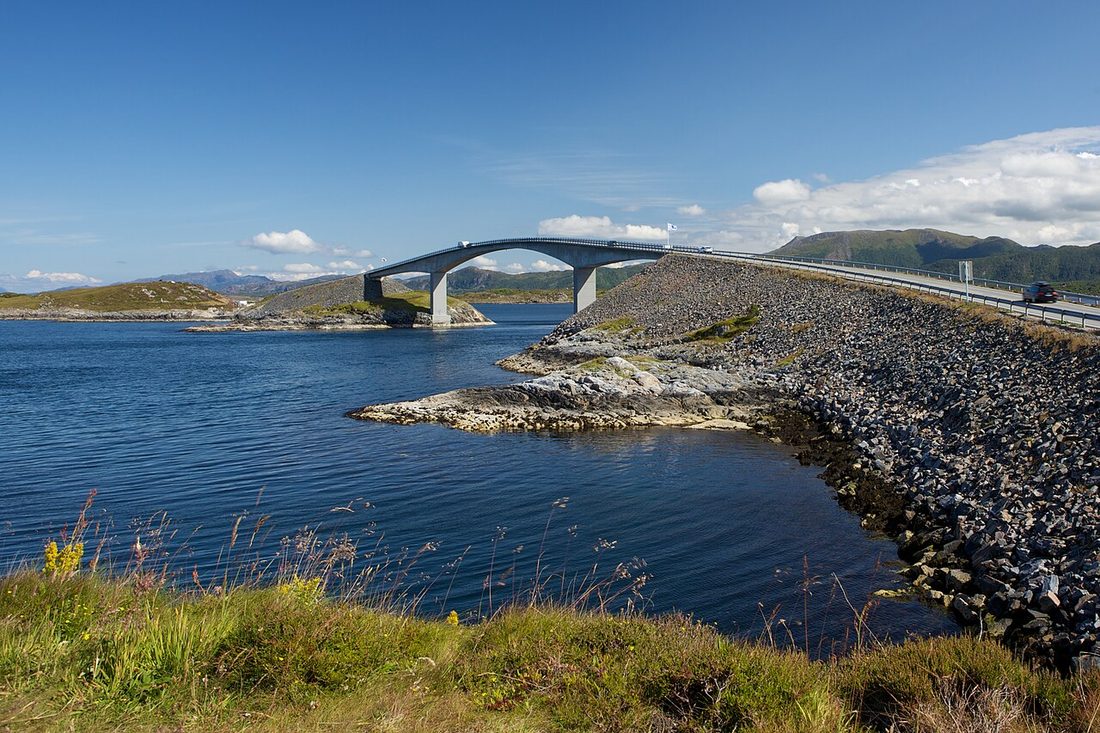
Cycling road winding through the mountains and sea landscapes of Norway
02 · Cycling

Ride railways, valleys and purpose-built trails

Rallarvegen · Mjølkevegen · Trysil · Hafjell · Lofoten

Rallarvegen is Norway's classic cycle journey: a historic construction road beside the Bergen Railway, usually ridden between Haugastøl, Finse, Hallingskeid, Myrdal and Flåm. Snow and maintenance determine its short season, so confirm official opening and reserve train space for the bicycle.

Mjølkevegen links summer farms and quieter roads in Valdres, while Trysil and Hafjell offer graded lift-served or trail-bike networks. Road cycling in Lofoten is beautiful but can mean narrow carriageways, wind, tunnels and heavy summer traffic. A quieter local loop can be better than forcing the entire archipelago into one ride.

  • Wear high-visibility clothing and carry lights for tunnels and changing weather
  • Check whether e-bikes are allowed on the exact trail
  • Book bicycle transport; space is limited on many trains and buses
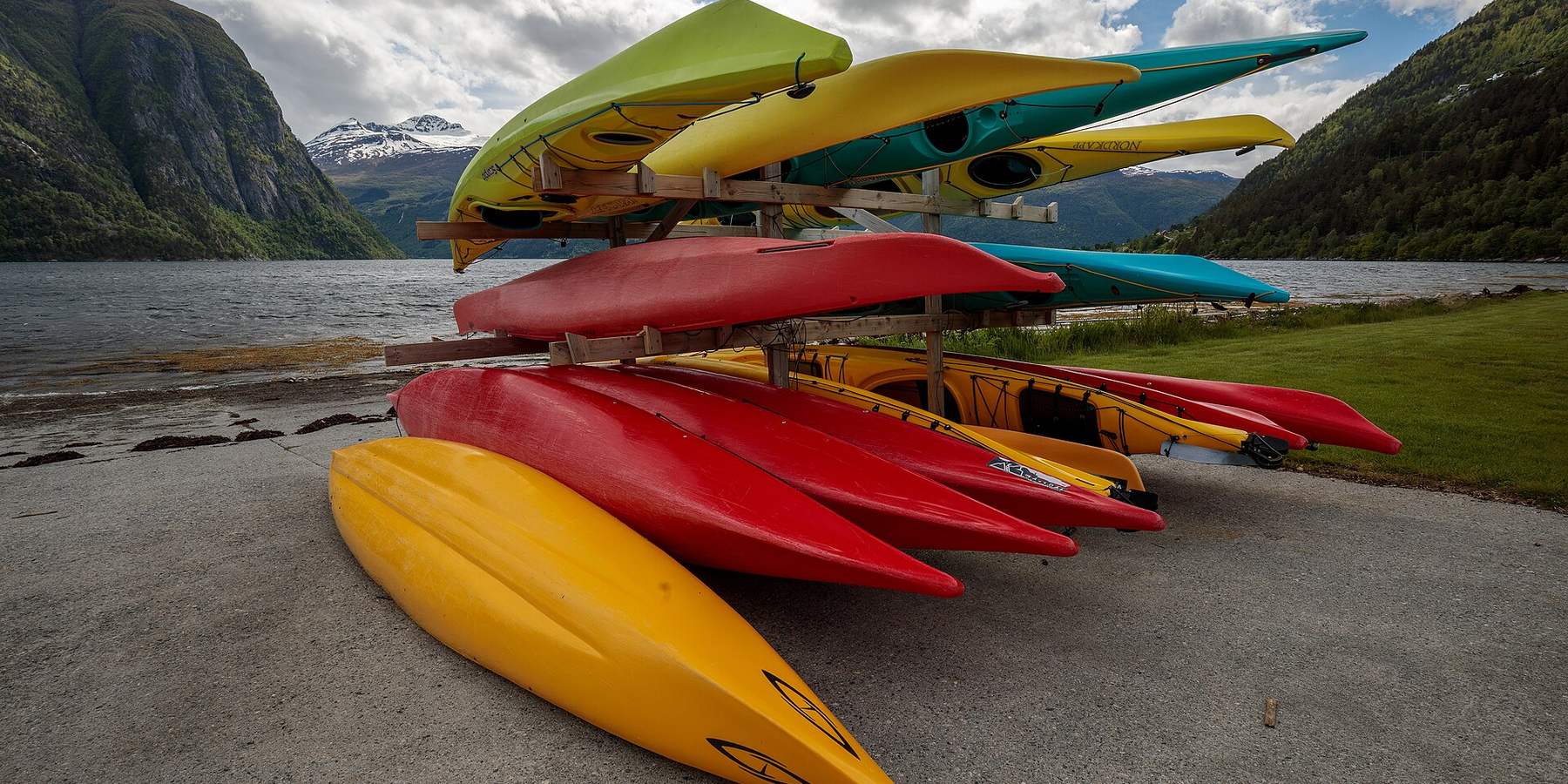
Sea kayaker paddling through calm Norwegian water beneath mountains
03 · Kayaking and fjord adventures

See the coast at water level

Nærøyfjord · Geirangerfjord · Helgeland · Lofoten · sea kayaking

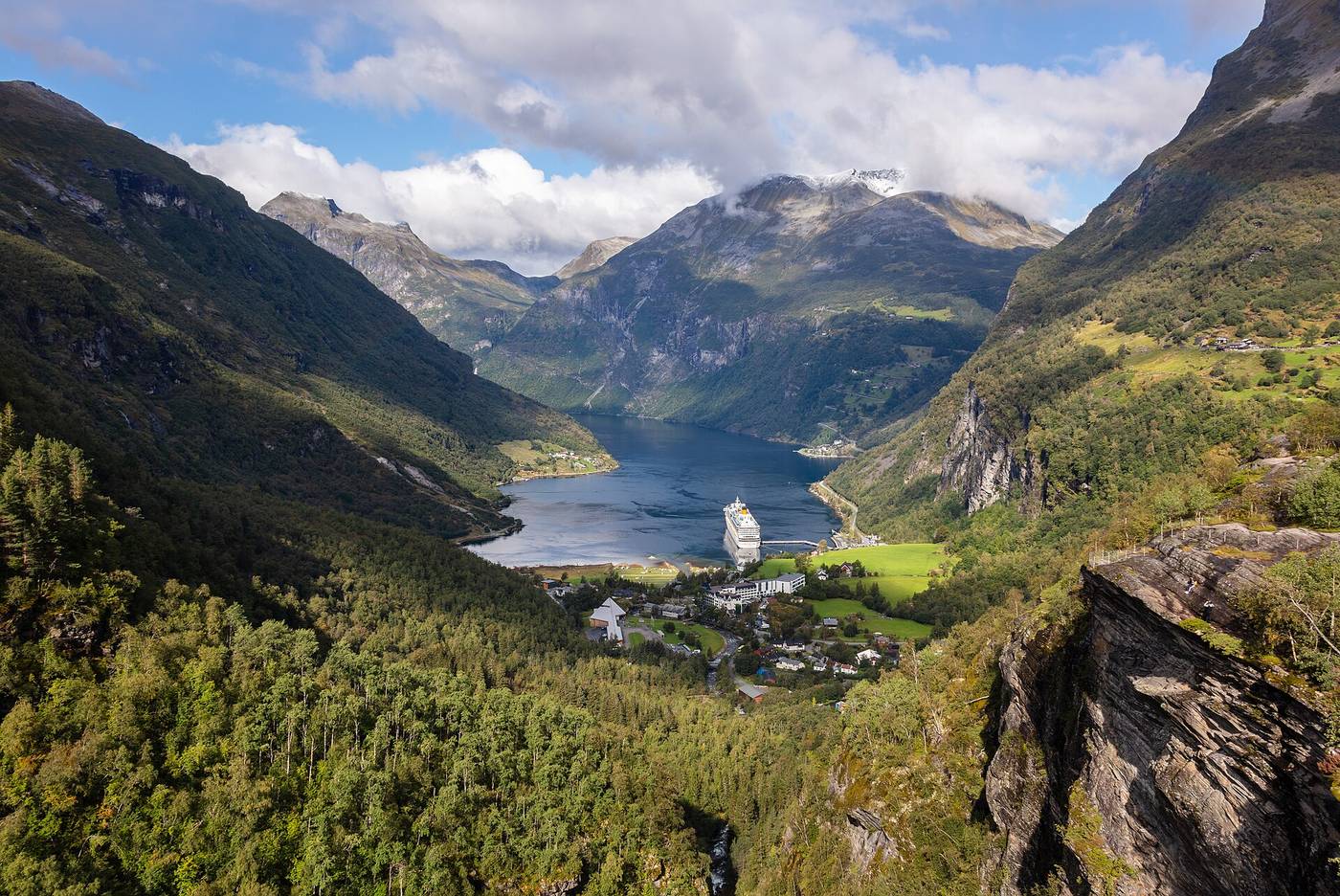
A kayak makes a fjord feel larger and quieter. Guided paddles on Nærøyfjord, around Flåm or in Geiranger give first-time visitors equipment, local weather judgment and a route away from vessel traffic. Helgeland's islands and Lofoten's beaches reward experienced sea kayakers who understand cold water and fast-changing wind.

The water remains cold even in summer. Wear a personal flotation device, dress for immersion and never assume a calm launch guarantees a calm return. Keep clear of ferries, cruise ships and steep shores exposed to rockfall. A RIB or small-boat safari is a useful alternative when time, mobility or paddling skill is limited.

  • Choose a guide for your first cold-water or tidal paddle
  • Secure phone and dry layers in waterproof storage
  • Read the complete Norway fjord guide before choosing a base
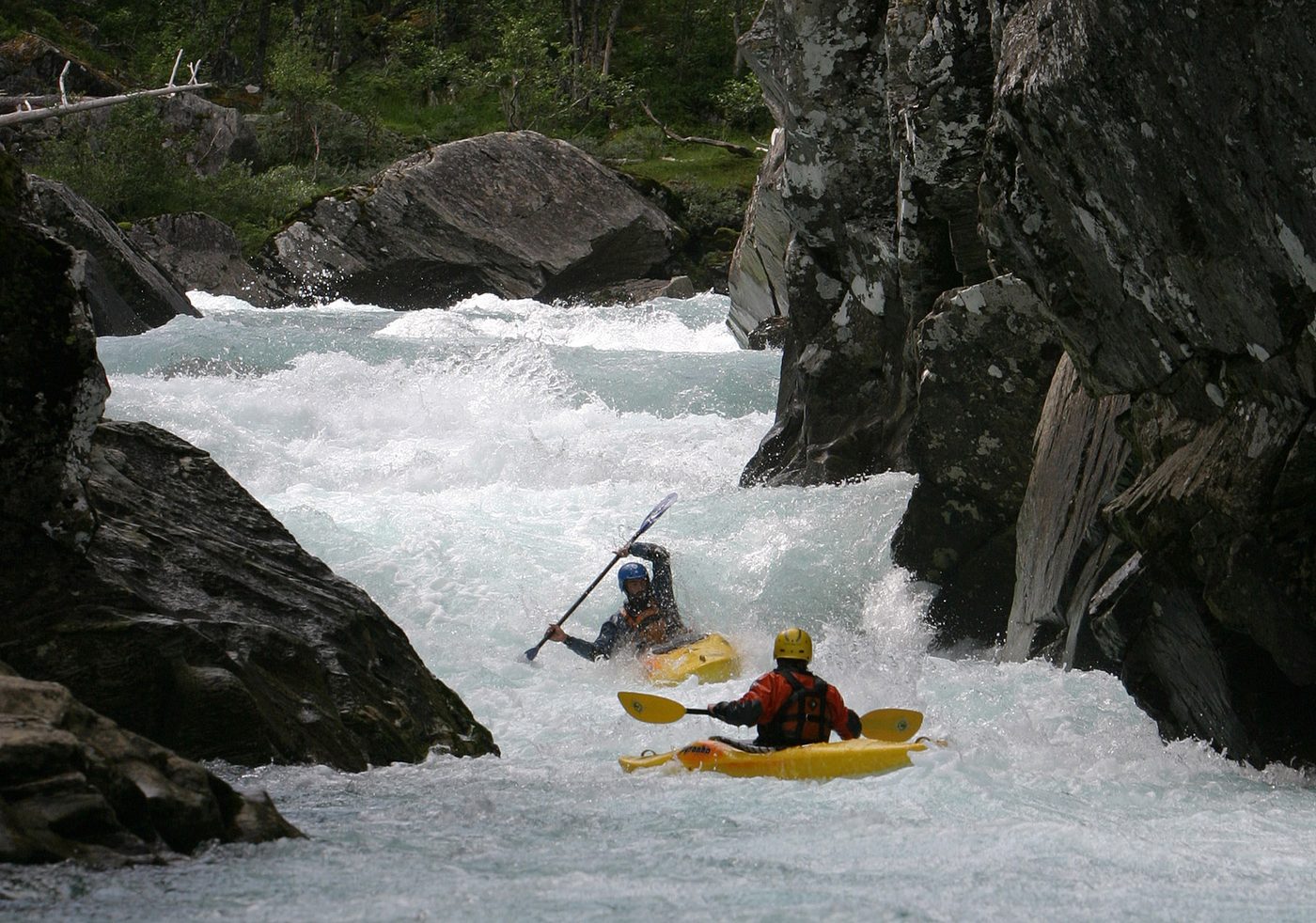
Kayaker navigating active water in a Norwegian mountain valley
04 · Rivers and vertical adventure

Rafting, canyoning, climbing and via ferrata

Sjoa · Voss · Loen · Åndalsnes · certified operators

The Sjoa valley is Norway's best-known rafting base, with sections suited to different experience levels. Voss combines rafting, river sports, wind-tunnel flying and other high-energy activities in one transport-friendly destination. Canyoning adds rappels, slides and cold water; select an operator that clearly states equipment, minimum age and cancellation criteria.

Via ferrata routes at Loen, Åndalsnes and elsewhere place fixed cables, ladders and bridges on steep rock. They are not ordinary hikes. Exposure, falling objects, wet rock and congestion matter, and a guide is the right choice unless you already know the system and rescue implications. For roped climbing, use local professionals and do not rely on unfamiliar fixed hardware without assessment.

Walkers crossing high mountain terrain above a blue lake in Norway
05 · Ice and high mountains

Glacier walks must be guided

Jostedalsbreen · Folgefonna · crevasses · ropes · changing access

Glacier ice looks solid from a distance but contains hidden crevasses, unstable edges, meltwater and falling ice. Walk only on an organised trip with a qualified operator that supplies helmet, harness, rope system and crampons. Nigardsbreen, Folgefonna and selected arms of Jostedalsbreen are common bases, but access changes as glaciers retreat.

A viewpoint or signed valley trail can deliver the scale without stepping onto the ice. Respect barriers: glacier fronts can collapse and flood channels can shift suddenly. For mountaineering on peaks such as Store Skagastølstind, hire a mountain guide and be honest about fitness, scrambling and exposure.

  • Never enter an ice cave or climb onto a glacier independently
  • Do not cross barriers to reach a shrinking ice front
  • Expect operators to change or cancel routes when conditions demand it
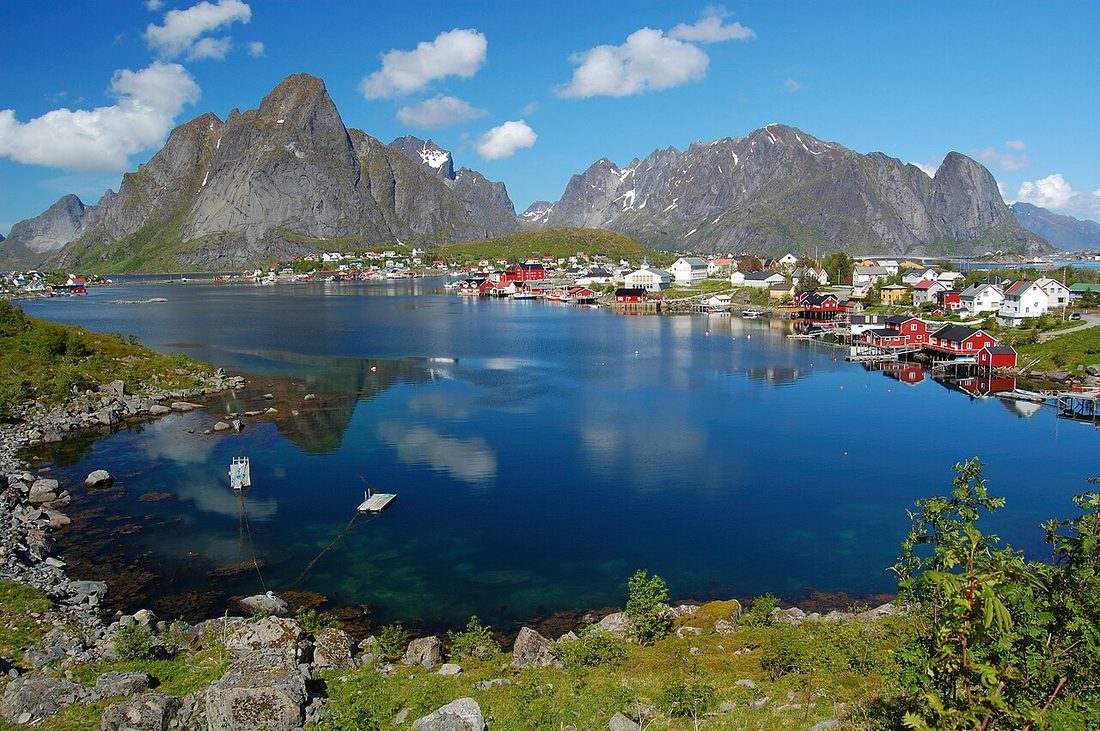
Deep Norwegian fjord and green mountains viewed from the water
06 · Coast, surf and wildlife

Cold waves and responsible encounters

Unstad · Hoddevik · whale watching · sea eagles · musk ox

Unstad in Lofoten and Hoddevik on the west coast turn Atlantic swell into remarkable cold-water surfing. Beginners should book instruction, a warm wetsuit and a board suited to local conditions. Experienced surfers still need advice on currents, rocks, access and community etiquette.

Wildlife trips are strongest when they do not chase or crowd animals. Whale safaris from Vesterålen and the Tromsø region, sea-eagle trips in the north and musk-ox tours at Dovrefjell all benefit from skilled local guides. Keep realistic expectations: wildlife is not scheduled, and an operator's environmental practice matters more than a guaranteed photograph.

  • Never approach musk ox independently; they can accelerate quickly
  • Choose boat operators that explain distance and disturbance rules
  • Use longer stays rather than aggressive pursuit to improve wildlife chances
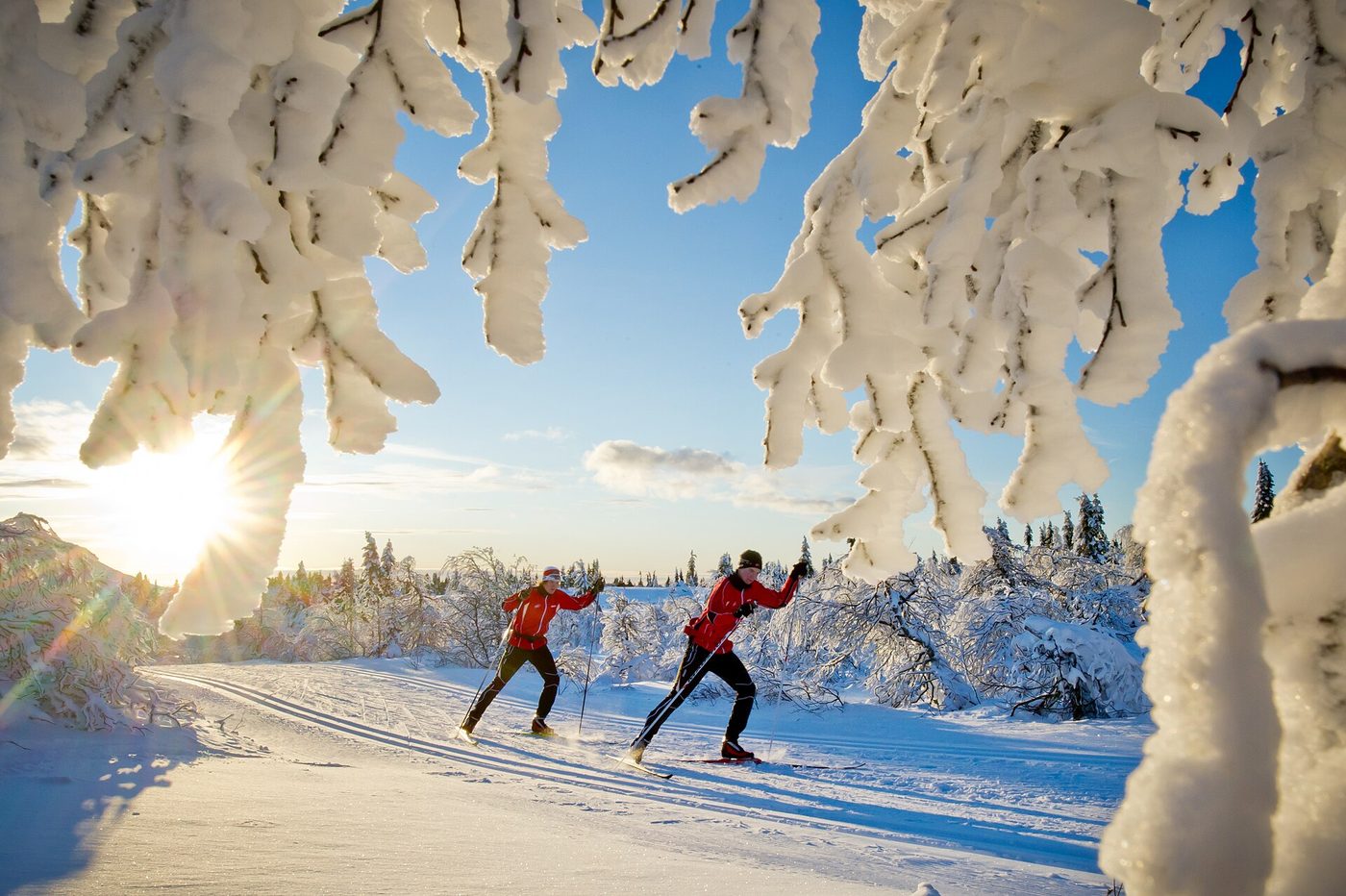
Cross-country skier moving through a snowy Norwegian landscape
07 · Winter activities

Ski tracks, snowshoes and Arctic nights

Cross-country · alpine · dog sledding · snowshoeing · aurora

Cross-country skiing is the most Norwegian way into winter. Resorts and towns often groom beginner loops beside longer networks, while alpine centres provide rentals, instruction and controlled pistes. Snowshoe tours, dog sledding and evening aurora excursions make winter accessible without advanced ski technique.

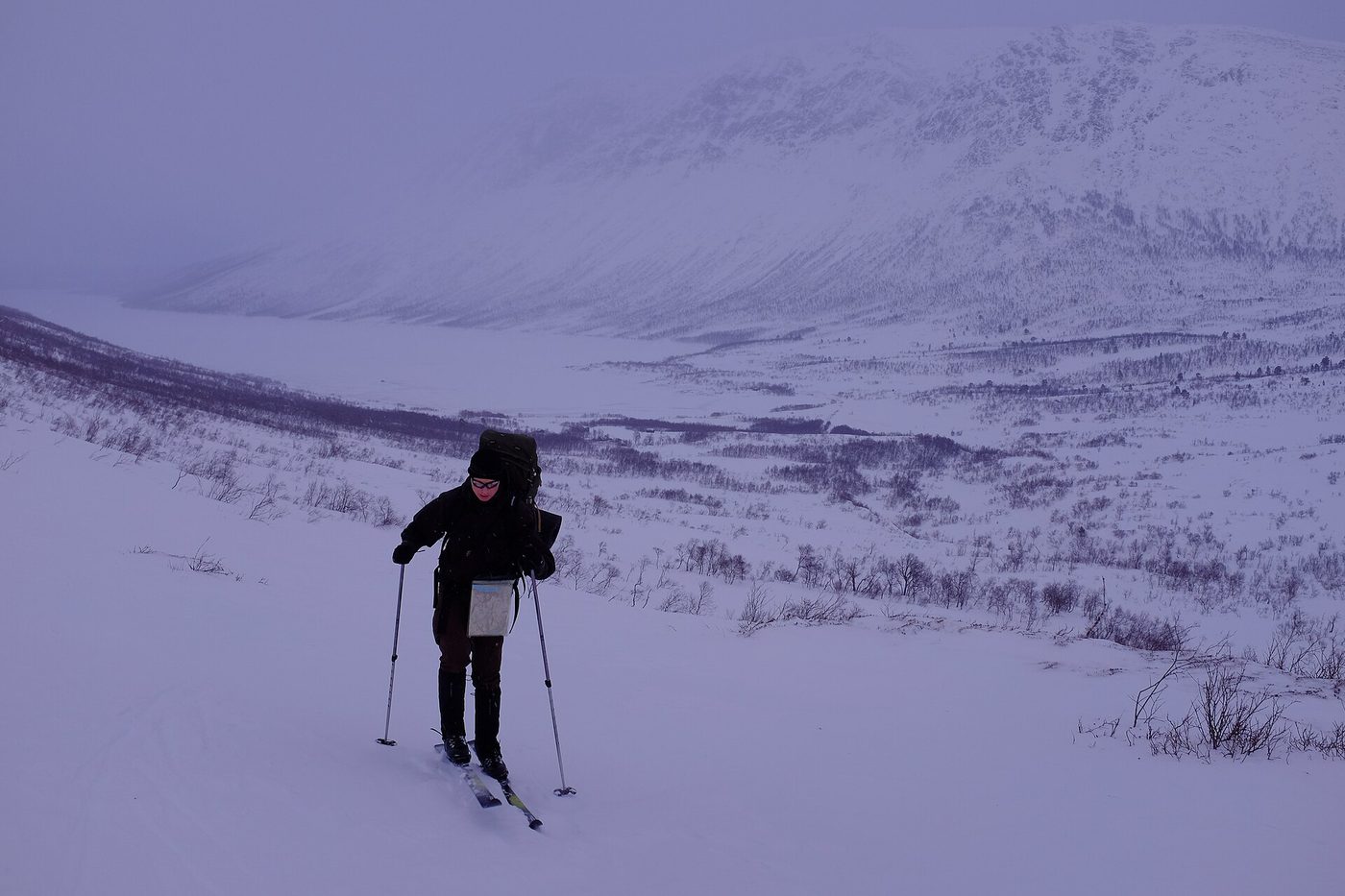
Ski touring is different from resort skiing. It enters avalanche terrain and requires route selection, rescue equipment and the skill to use it. Read the daily Varsom forecast, avoid terrain you cannot assess and hire a certified guide in unfamiliar mountains. Our complete winter and skiing guide compares the country's best alpine and Nordic bases.

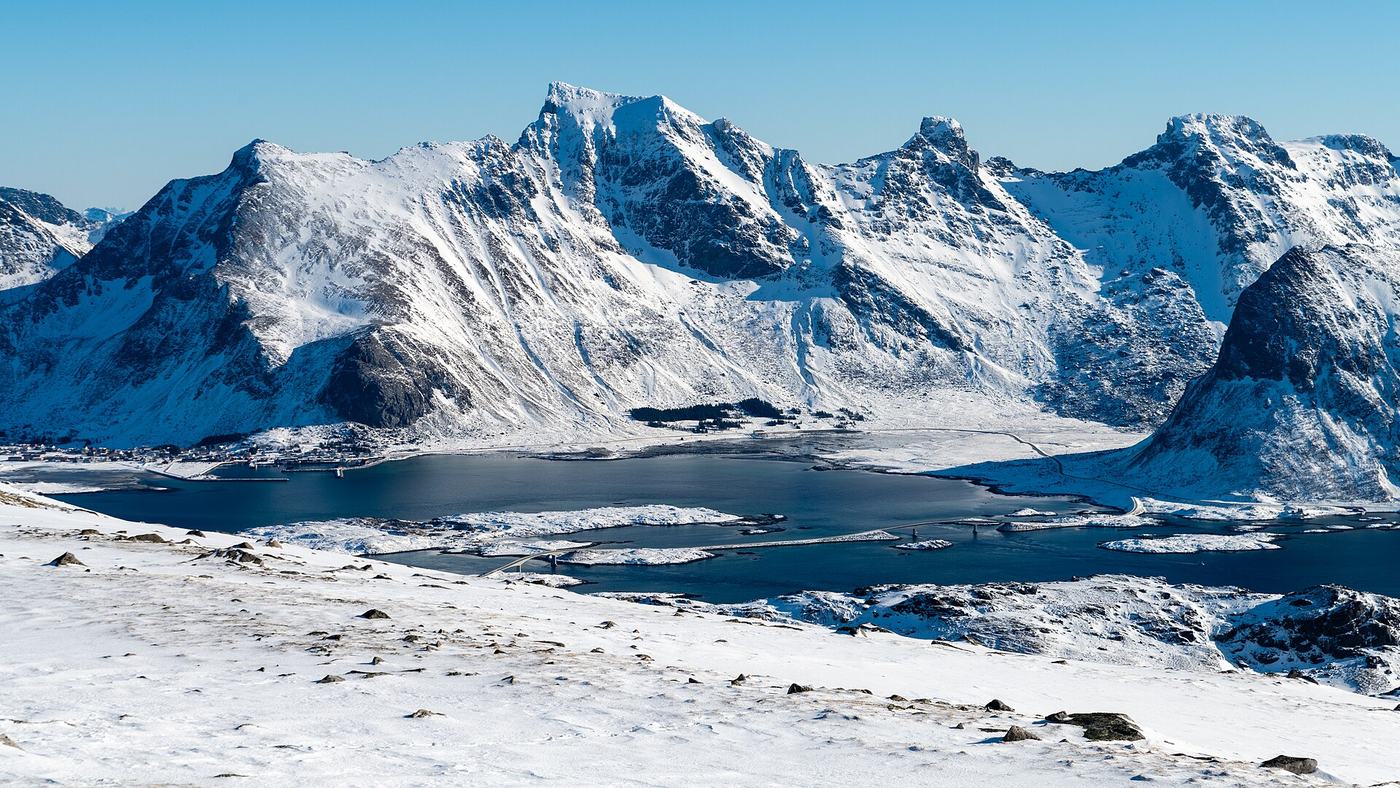
Skier crossing a wide Arctic winter landscape in northern Norway
08 · Build the trip

Three activity-first itineraries

Fjord week · mountain week · Arctic week

Fjord week: Bergen, Voss, Flåm and Sognefjord combine rail, kayaking, rafting and a moderate hike. Mountain week: Lillehammer, Valdres and Jotunheimen support cycling, cabin hikes and guided peaks. Arctic week: Tromsø, Vesterålen or Lofoten can mix sea safari, coastal hiking, surfing and—when winter returns—snow and northern lights.

Do not book a demanding activity every day. Weather buffers let operators move a glacier walk or boat trip, and recovery days make later adventures safer. A Norway road trip helps with equipment, but rail and local transfers can create a lower-stress trip around Voss, Flåm, Lillehammer or Oslo.

  • Reserve signature activities, then leave open time around them
  • Ask operators exactly what skill, clothing and insurance are required
  • Check cancellation terms and live conditions, not last year's photos

The best Norwegian adventure is the one you can finish with energy in reserve. Match ambition to conditions, use professional guides when the terrain demands it and treat the right to roam as a duty of care.

Advertisement