A mountain town that happens to be on the sea
Puerto Vallarta stands on the eastern shore of Banderas Bay, one of the largest bays on the Pacific coast of the Americas and deep enough that whales come well inside it. What makes the town itself unusual is what is immediately behind it: the Sierra Madre arrives at the water so steeply that the streets climb it on cobbles and stone steps, and from the seafront you are looking up at forest within three blocks.
Until the 1960s this was a small port that supplied the mining camps in those mountains and shipped fruit out of the river mouth. Then John Huston filmed The Night of the Iguana down the coast at Mismaloya in 1963, Richard Burton and Elizabeth Taylor conducted a very public affair while he did it, and the world's press came to look. The town has been dealing with the consequences ever since, mostly rather well: the old centre kept its scale, its cobbles and its parish church.
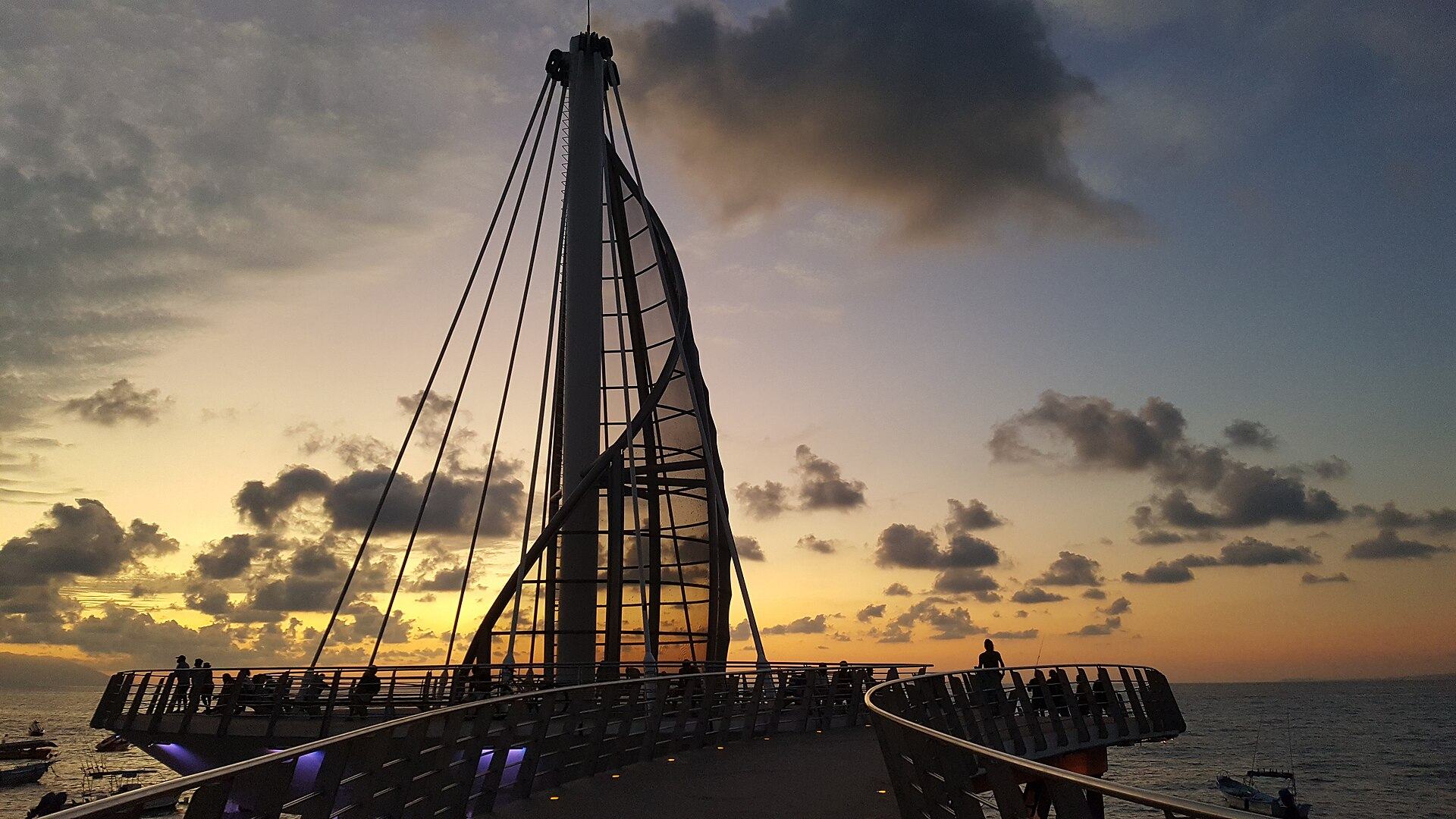
The seafront promenade — the Malecón — runs about a mile along the centre and carries a dozen bronze sculptures, from a spiral at the north end to the seahorse that has become the town's shorthand. Behind it, the Our Lady of Guadalupe parish church wears an openwork crown on its tower, modelled on the one worn by a Habsburg empress of Mexico and rebuilt after an earthquake brought the original down. South of the river, the Zona Romántica climbs away from Los Muertos beach and its sail-shaped pier; it has been the centre of Vallarta's gay scene for decades and is still where most of the kitchens are.
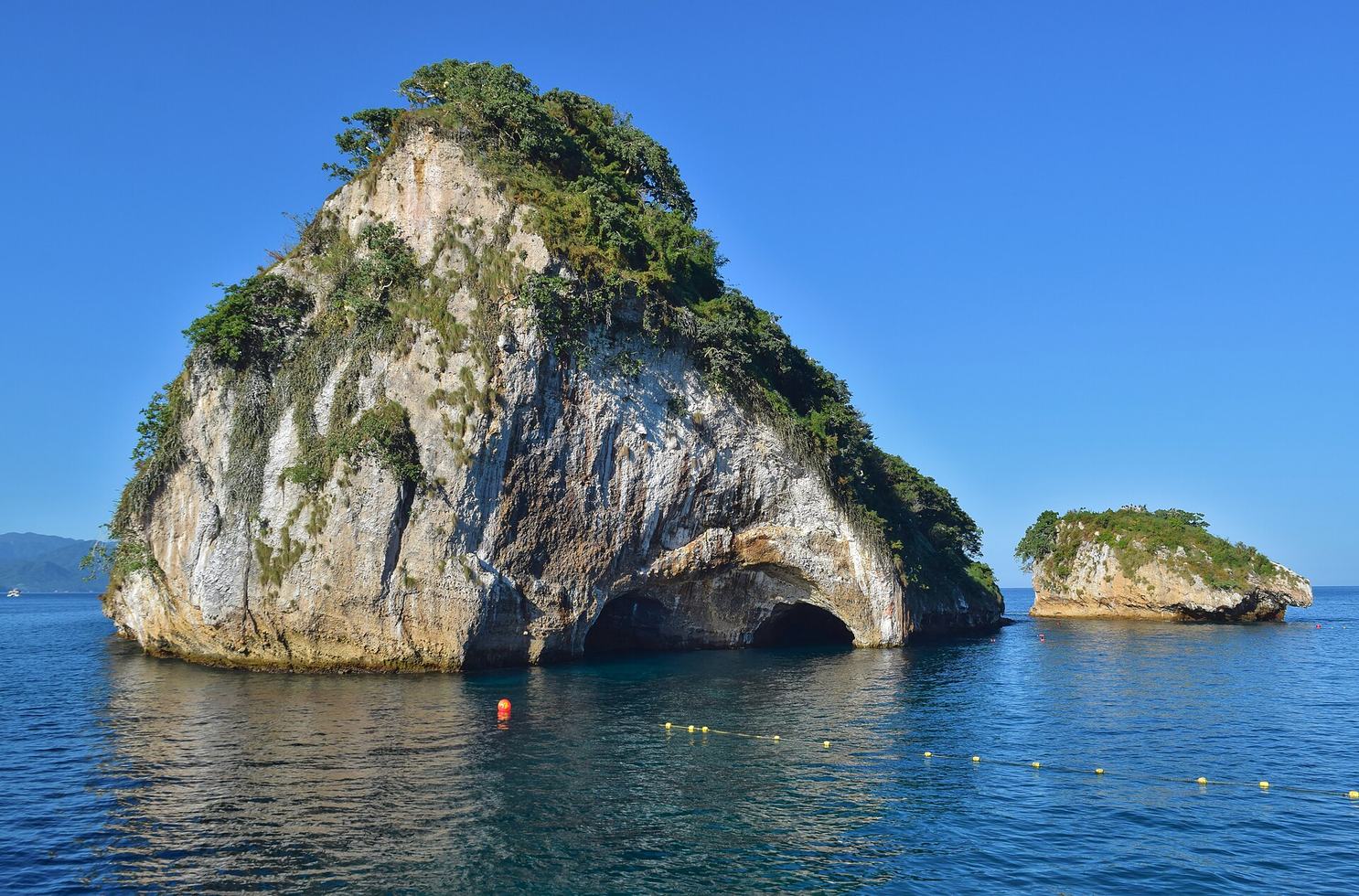
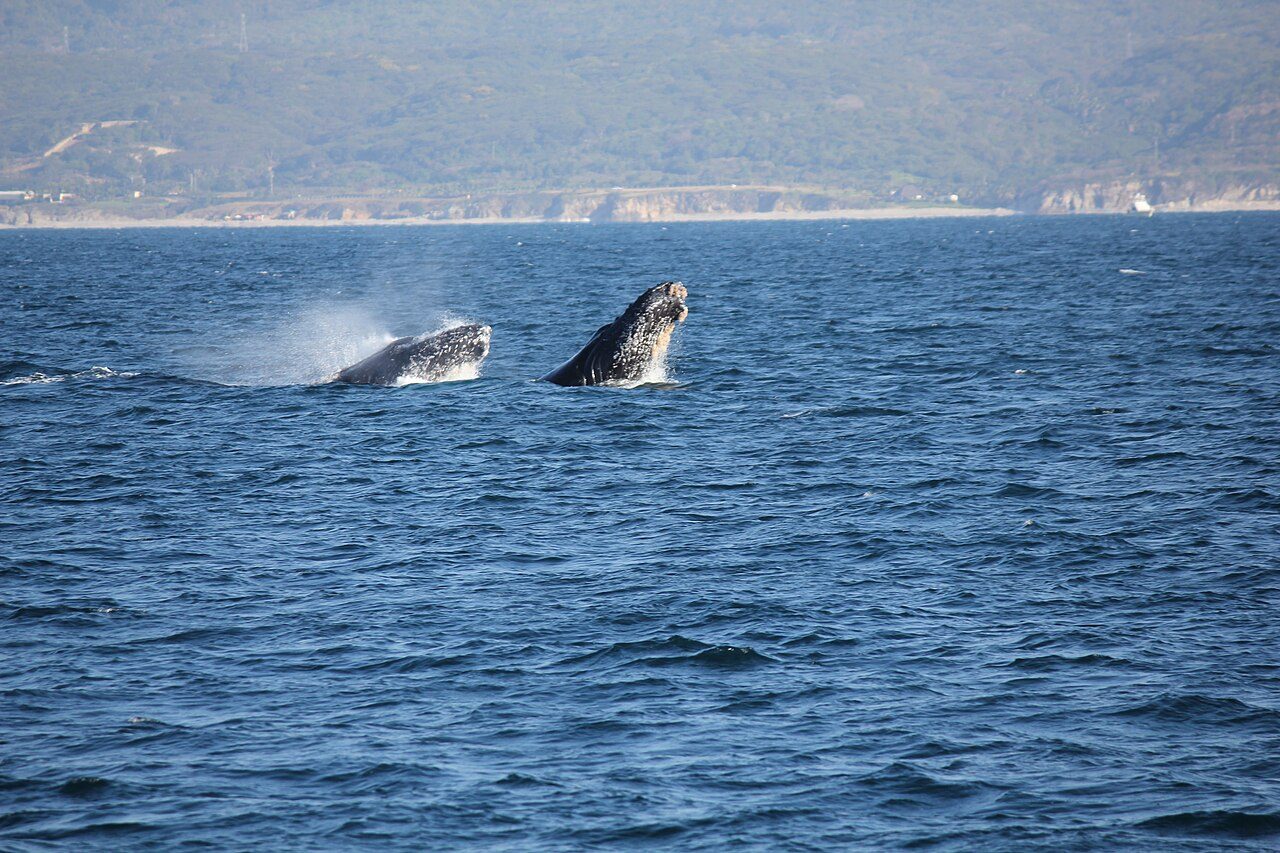
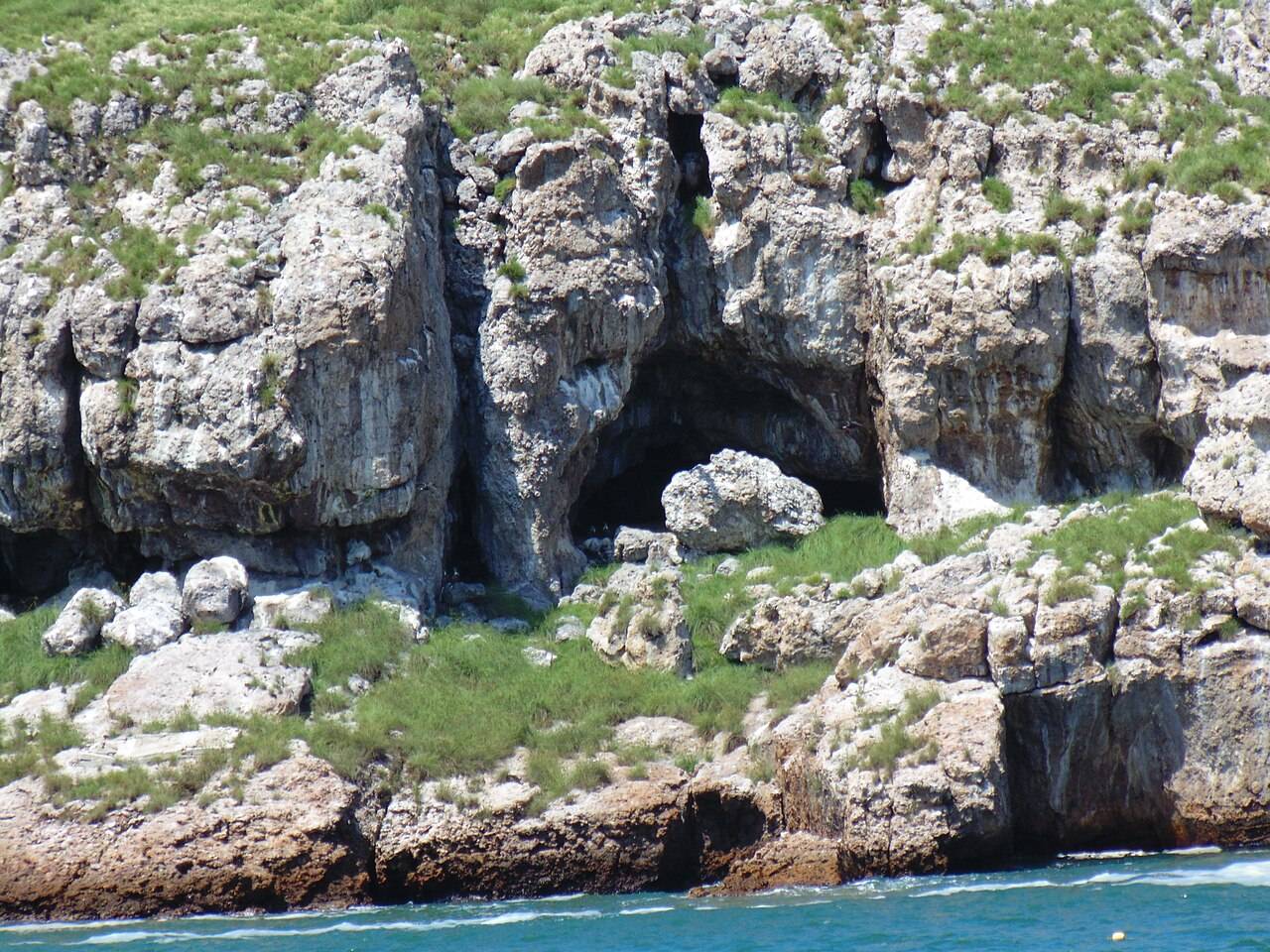
The bay does the rest. Los Arcos National Marine Park protects granite islands with caves and tunnels twenty minutes south. Humpback whales enter the bay to breed and calve in the northern winter — humpbacks, which are not the grey whales of Baja's Pacific lagoons and not the whale sharks of La Paz, however often travel copy merges the three. And south of Boca de Tomatlán the coast road simply stops: Las Ánimas, Quimixto and Yelapa are reached by water taxi or not at all.
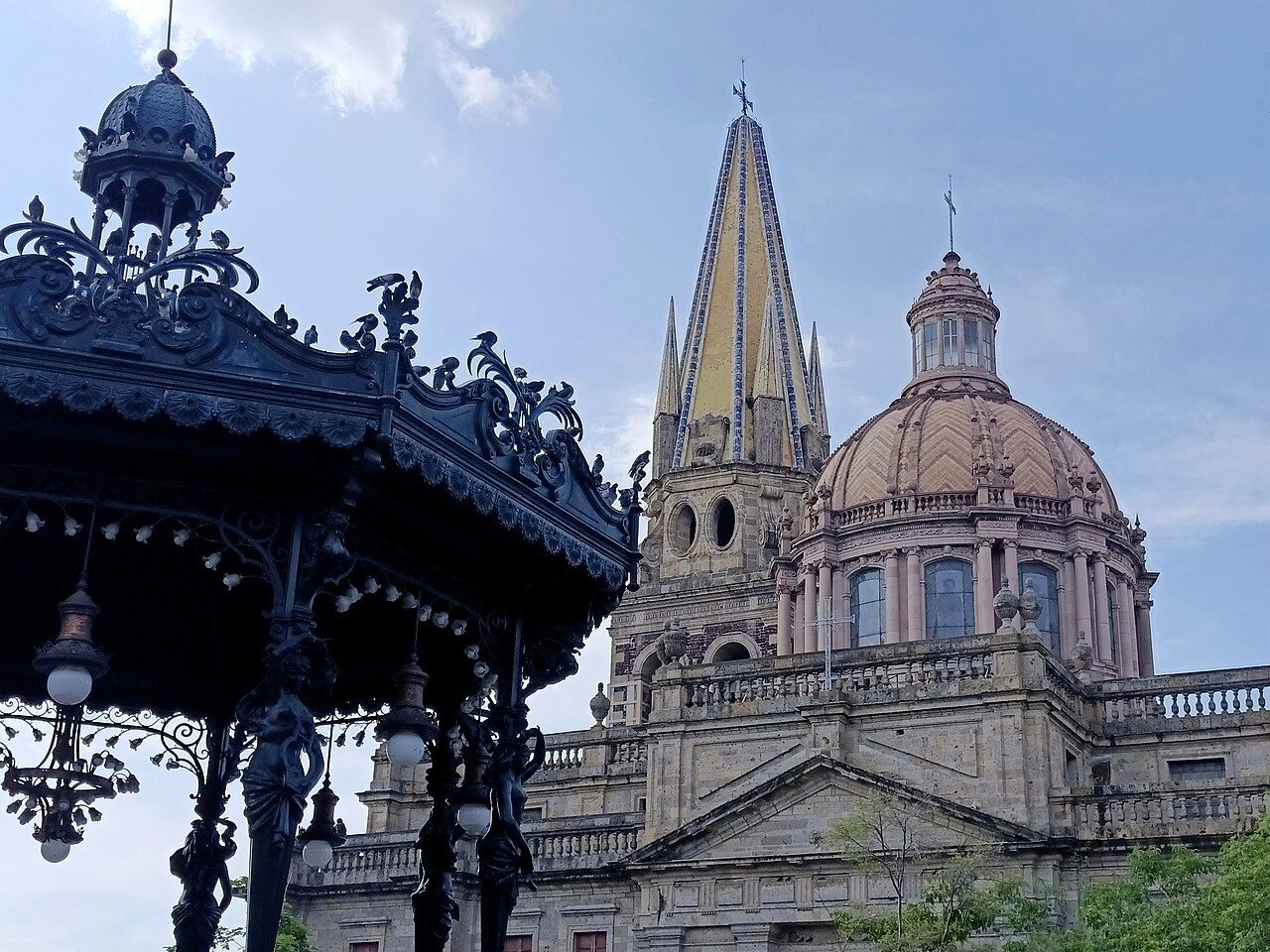
One correction worth making early. Jalisco is tequila's state, and this is not tequila's coast — the town of Tequila and its blue agave fields are roughly two hundred kilometres inland behind Guadalajara. What is distilled in the hills behind this bay is raicilla, made from other agaves, with its own denomination of origin since 2019. Ordering it here is the local move; ordering tequila is fine and simply not the same story.
The road south runs out at Boca de Tomatlán, and after that the coast is reached by boat. That is unusual on a Pacific resort coast, and it is the best thing about this one.