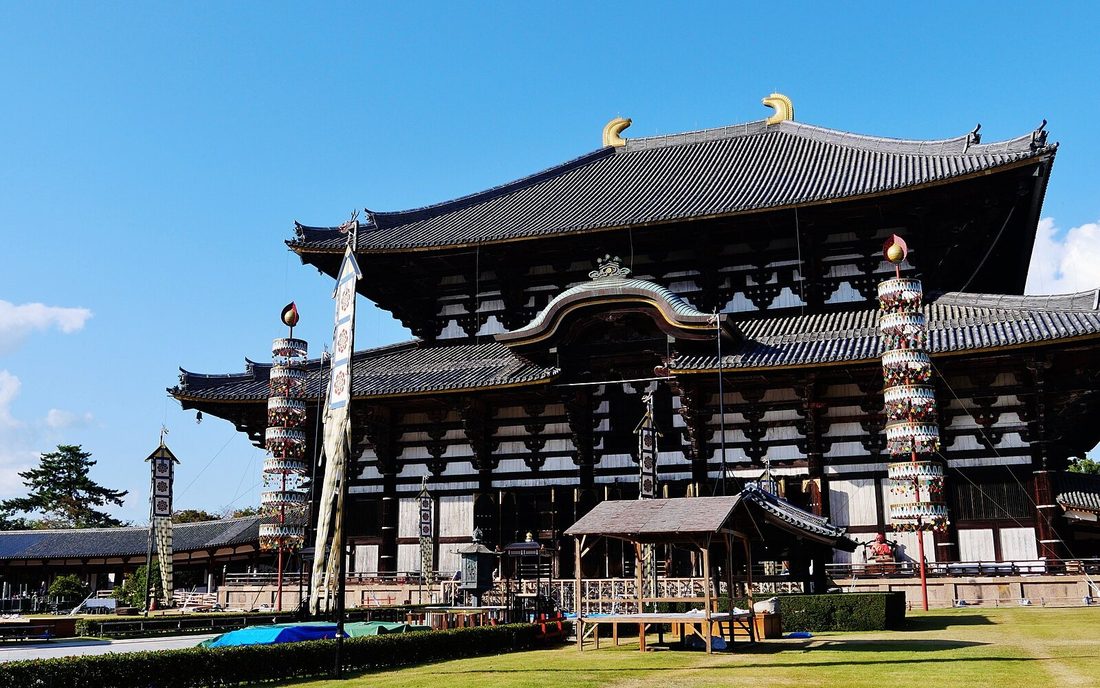
The foundations of Japanese state and Buddhist culture
Nara was Japan's permanent capital in the eighth century, and the scale of Tōdai-ji still communicates the ambition of that era. Kasuga Taisha, Kōfuku-ji and forest paths create a connected sacred landscape.
South of the park, Naramachi preserves merchant houses, small museums and cafés. West of the centre, the remains of Heijō Palace reveal the capital's original urban scale.
The wider prefecture extends to Hōryū-ji, the mountain temples of Yoshino and old pilgrimage routes. An overnight stay makes early and late park walks possible.
Continue planning with the GlobeSaga Japan guide and connect this stay with the other Japanese destinations linked below. For a longer read on ancient capitals, Buddhist art and the sacred deer, see Nara in Depth.
“Nara is more than deer and a great Buddha; it is a landscape where the beginnings of the Japanese capital can still be walked.”