Italy gives family travel a natural rhythm: open piazzas, trains between central stations, food children recognise and memorable stories beneath every ruin. The key is to design fewer, richer days.
Italy works best for families at half the adult pace. Choose fewer bases, one major activity each day and accommodation near the evening routine. A playground, swim, gelato or traffic-free square can be as important as a museum ticket.
The country suits every age, but the route should change with the children. Toddlers need shade, simple transfers and space; school-age children engage with gladiators, volcanoes, boats and castles; teenagers benefit from independence, food experiences and activities they help choose.
Design the family day before the itinerary
Start early in hot or crowded periods, place the main visit before lunch and protect the afternoon for rest or an easy local activity. Historic centres often involve cobbles, steps and pedestrian distances that appear short on a map but feel longer with a stroller.
Fast trains are usually easier than driving between cities. Apartments can provide bedrooms, laundry and flexible breakfast; hotels remove check-in complexity and often offer useful reception support. Whatever the format, a central location reduces daily negotiation.
Stay at least three nights in most bases
Reserve family rooms and connecting rooms earlier than standard doubles
Carry water, sun protection and a small emergency snack
Check age, height, accessibility and child-ticket rules with each attraction
Eight family chapters
Where to go and how to make it work
Italy's cities, countryside, mountains and beaches can all become family destinations with the right pace.
01 · Rome
Gladiators, fountains and history in the open air
Colosseum · Pantheon · Villa Borghese · piazzas
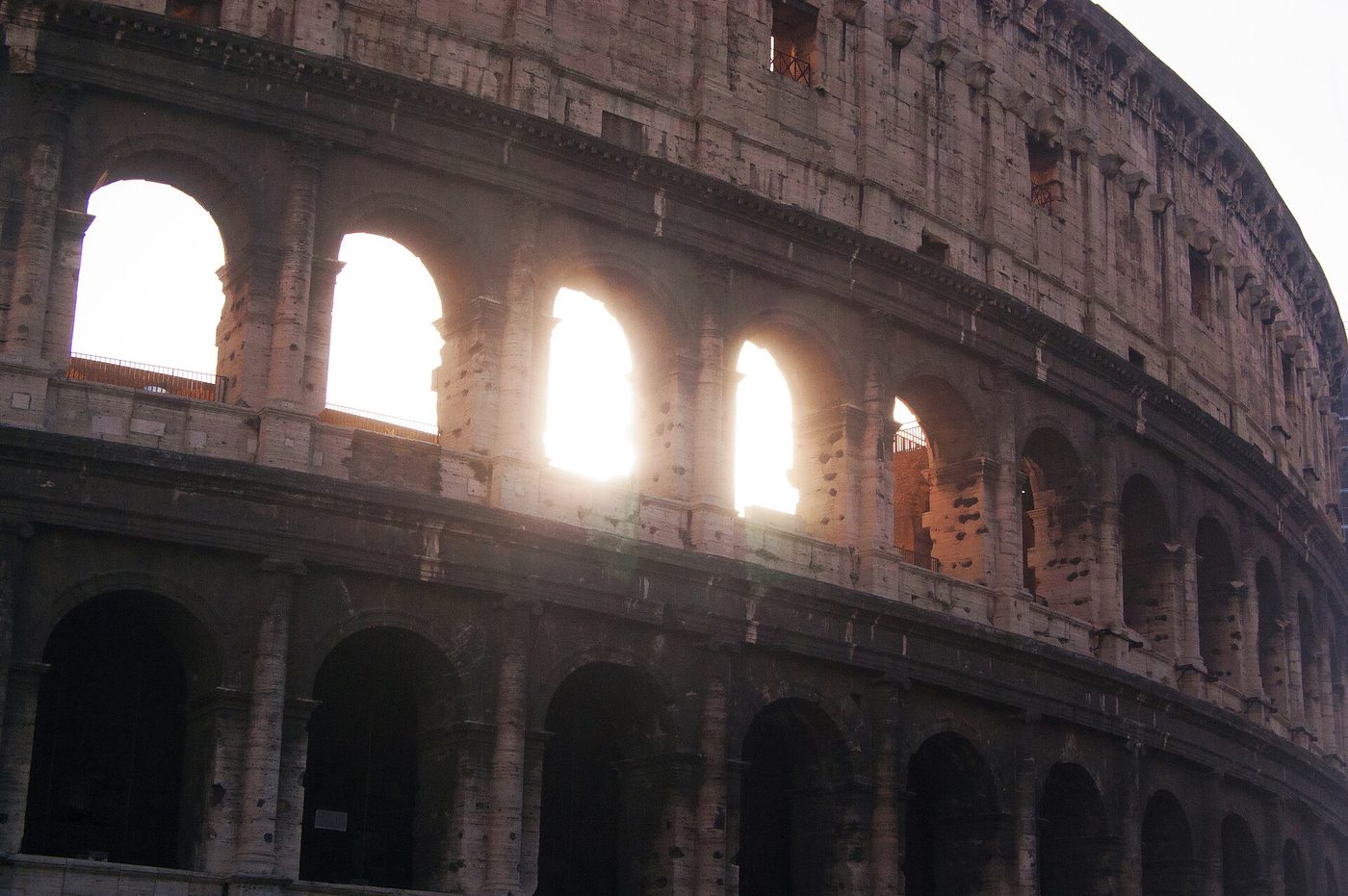
Rome makes ancient history physical. Children can stand inside an amphitheatre, trace chariot routes, drink from public fountains and enter a domed Roman temple in the same day. The city is exciting, but its scale calls for discipline.
Give the Colosseum and Roman Forum a focused morning rather than combining them with the Vatican. Alternate ruins with the open spaces of Villa Borghese, a neighbourhood meal or a fountain walk. Choose accommodation that avoids a long commute at the beginning and end of every day.
Best ages: school-age children and teenagers; manageable with younger children at a slower pace
Family rhythm: major site, lunch, rest, piazza and gelato
Book timed attractions in advance and prepare children with a simple story
Florence is compact enough for family walking, yet its museums can overwhelm. Choose one collection that fits the children's interests, shorten the visit and connect paintings or sculpture to a treasure hunt, sketchbook or guided family activity.
The Tuscan countryside provides the release: a pool, farm stay, village market or pasta lesson balances formal sightseeing. If driving, do not schedule a string of hill towns in one day. One town and a relaxed rural meal create stronger memories than several car parks and climbs.
For young children: piazzas, gardens, markets and hands-on activities
For older children: towers, sculpture, science and Renaissance rivalries
Stay outside Florence only if the countryside is a real part of the plan
03 · Venice
A car-free city that feels like an adventure
Vaporetto · canals · islands · masks · boats
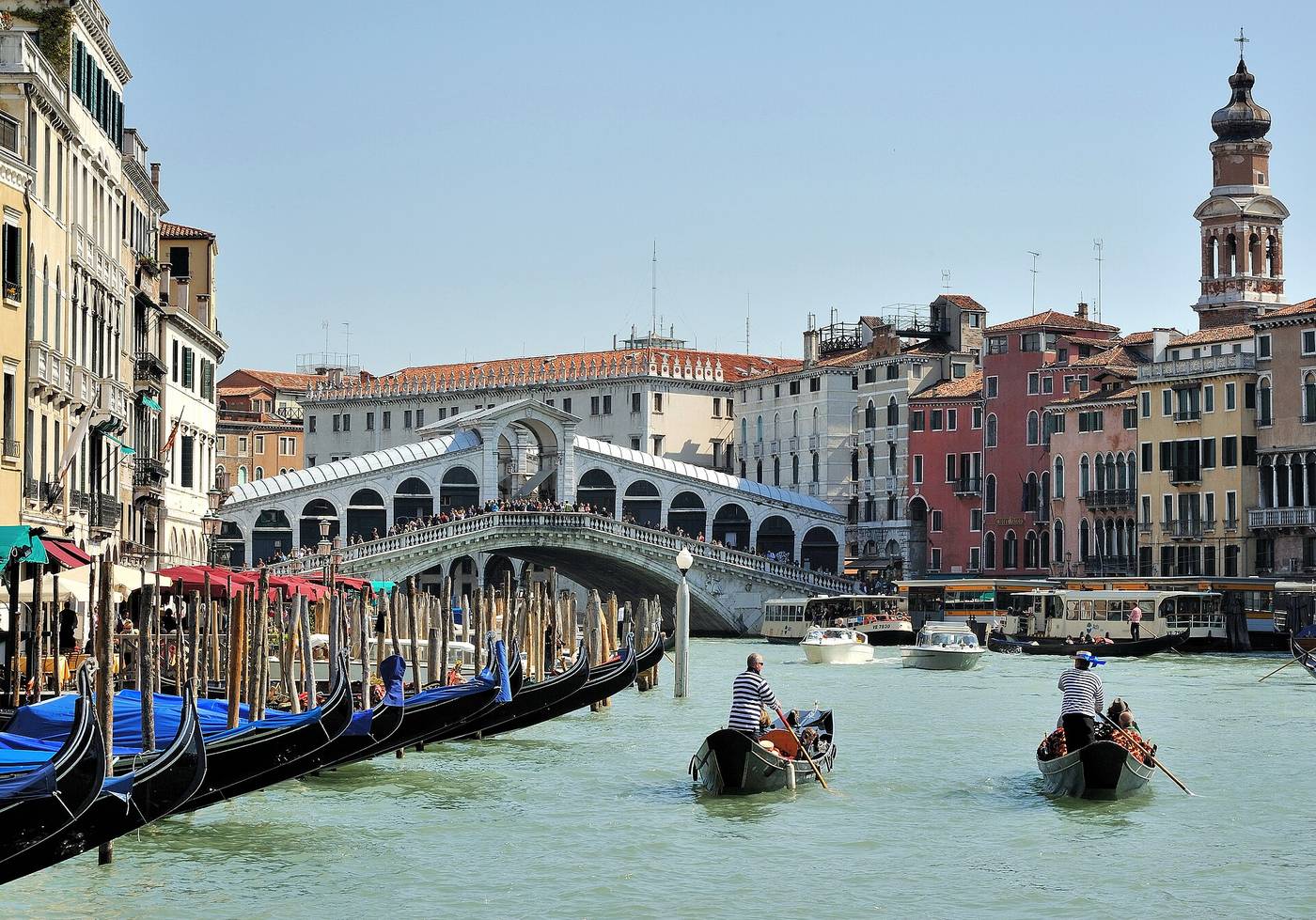
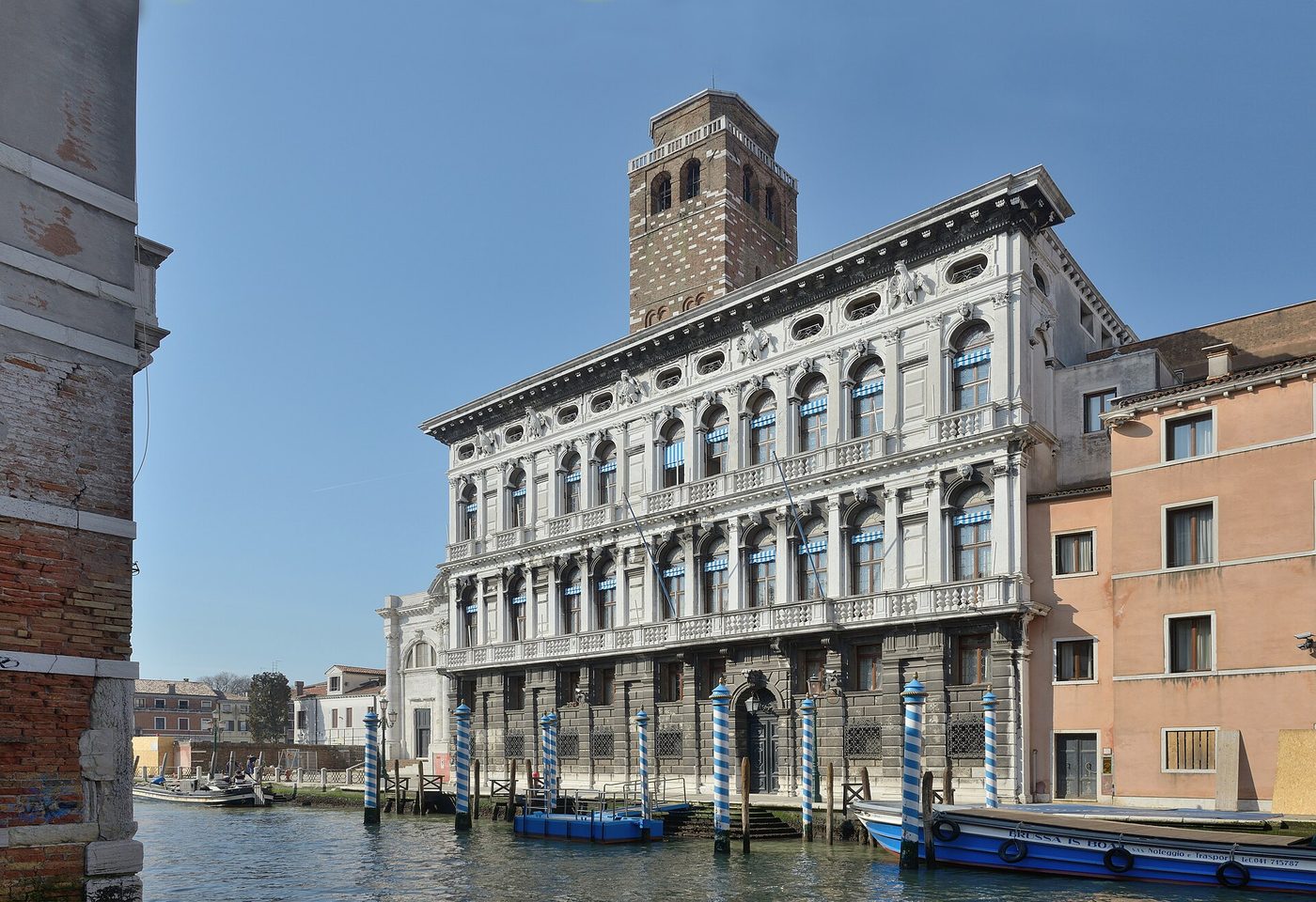
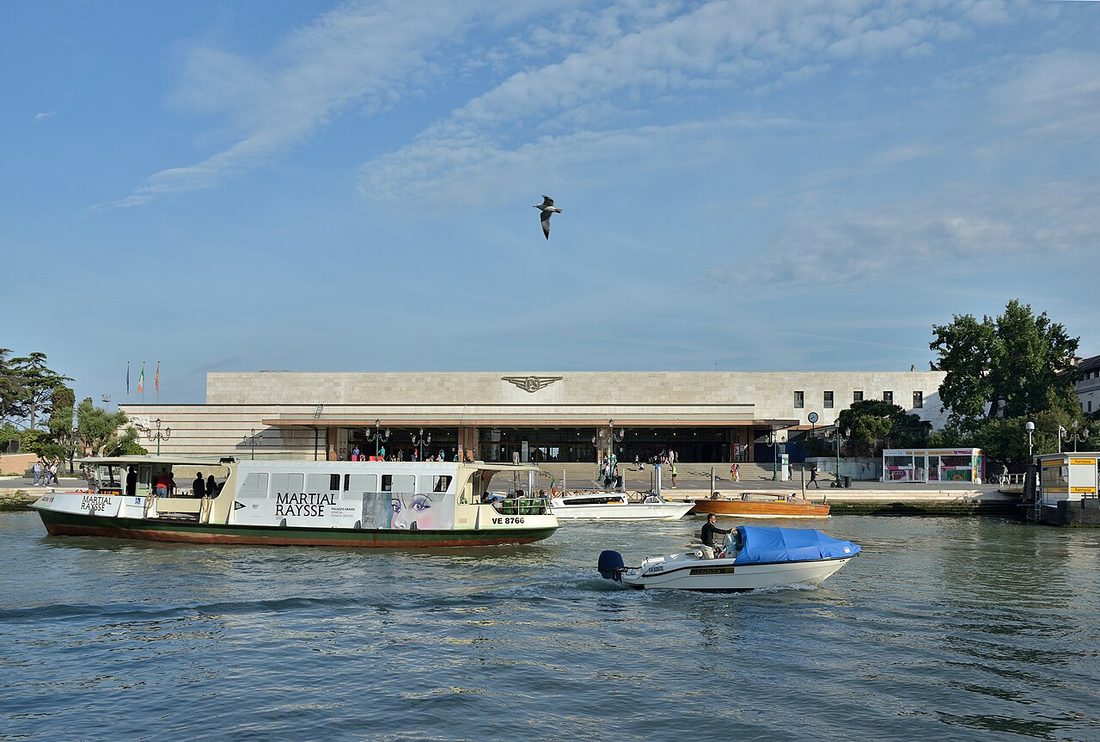
Boats replace buses, lanes become puzzles and every bridge changes the view. Venice is naturally imaginative for children. Ride a vaporetto along the Grand Canal, visit a quieter island, find winged lions and let older children navigate part of the route.
The challenge is luggage and accessibility. Bridges mean steps, crowds can compress narrow lanes, and accommodation may be farther from a stop than it looks. Pack lightly, verify the walking route and stay overnight: early mornings and evenings are calmer and more magical.
Make water transport an experience, not just a transfer
Pair St Mark's area with quiet canals or gardens
Use a carrier or lightweight stroller where appropriate
04 · Lakes and Dolomites
Boats, cable cars and room to move
Lake Garda · Lake Como · Dolomites · easy walks
The northern lakes combine attractive towns with boat journeys, swimming and easy excursions. Lake Garda has the broadest family mix; Lake Como offers beautiful ferry-linked villages; smaller lakes can provide a quieter base. Choose one section rather than commuting around an entire shoreline.
In the Dolomites, cable cars make high scenery accessible and valleys offer short themed trails, playgrounds and family hotels. Mountain weather changes quickly, so carry layers and respect route difficulty. Confirm seasonal lift operation before promising a particular summit day.
Best for: active families and a city-and-nature itinerary
Plan one lake hub or one mountain valley as the base
Keep a lower-altitude alternative for cloudy or stormy days
05 · Coasts and beaches
Build the trip around swimming, not commuting
Sardinia · Puglia · Sicily · Adriatic · Liguria
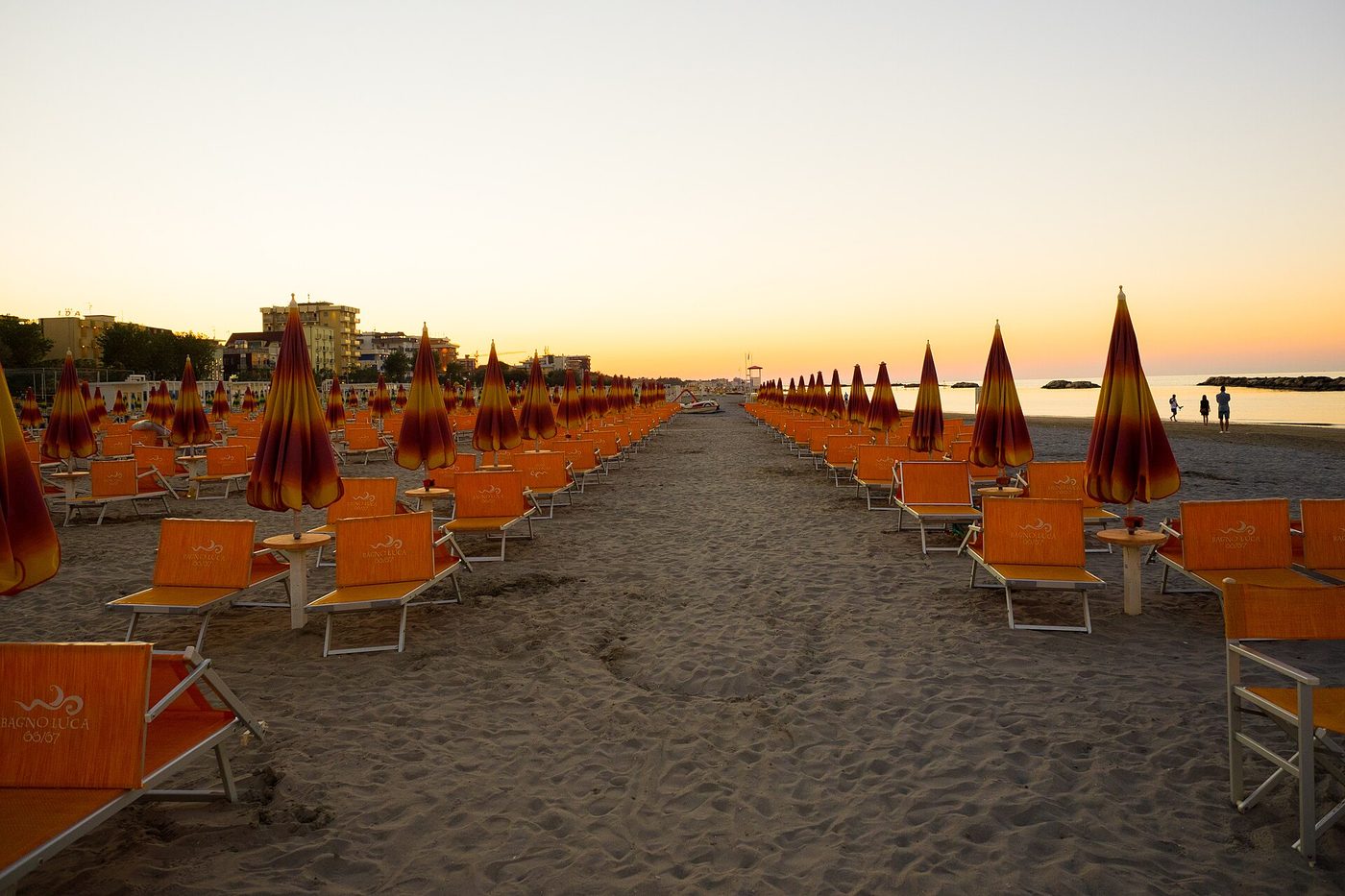
Italy has family beaches from north to south, but the experience varies. Sandy Adriatic resorts simplify everyday logistics; Sardinia is celebrated for clear water; Puglia and Sicily combine beaches with towns and food; Liguria offers dramatic scenery but often more steps, pebbles and compact spaces.
Investigate beach access rather than choosing by photograph alone. Ask about sand or rock, shallow water, shade, parking, steep paths and whether facilities are private, public or seasonal. In peak summer, staying within walking distance of the beach can transform the entire holiday.
Young children: prioritise shade, shallow entry and short transfers
Older children: add snorkelling, boat trips or coastal walks
Naples is energetic, honest and rich in experiences that children understand immediately: pizza, underground spaces, castles, waterfront views and a volcano across the bay. It rewards families comfortable with a busy urban environment.
Pompeii works best with preparation and a focused route; the archaeological area is large, exposed and uneven. Bring sun protection and water, and consider a guide who can translate domestic life into stories. Boat excursions and island stays can add a calmer second chapter.
Best for: curious school-age children and teenagers
Keep Pompeii separate from an overfilled Amalfi Coast day
Use central transport links instead of driving in Naples
Puglia suits a road trip built from short drives, white towns, farms and beaches. Sicily adds ancient temples, lively cities, Etna and distinct food, but distances demand a regional focus. Sardinia is strongest when the coast and outdoor days are the main purpose rather than an addition to a crowded mainland route.
Each destination benefits from fewer accommodation changes. Select one or two bases, verify parking and avoid assuming that every beautiful beach has simple access. In July and August, reserve cars, family rooms and coastal stays well ahead.
Puglia: easy food, villages and beach combinations
Sicily: history, volcanoes and regional variety
Sardinia: water, nature and a dedicated island holiday
08 · Sample itineraries
Three routes with enough room to enjoy them
7 days · 10 days · 14 days · fewer bases
Seven days: Rome for four nights and Florence for three. Ten days: Rome, Florence and Venice with three or four nights each. Fourteen days: combine two cultural bases with a slower nature chapter such as Tuscany, a northern lake, the Dolomites or a southern beach region.
Families with toddlers may prefer a single apartment plus day trips. Teenagers can handle a faster rail route if they help choose food, shopping, sport or cultural activities. In summer, place swimming or mountains at the centre rather than treating them as recovery from a string of hot cities.
Never count a transfer day as a full sightseeing day
For every major adult priority, include one child-led choice
Add a spare half-day before a fixed flight or ferry connection
The best family souvenir is enthusiasm for the next trip. Leave a museum before everyone is exhausted, stop when a piazza becomes fun and remember that sharing pizza on a quiet evening can be as deeply Italian as any famous monument.
Keep planning
More practical Italy guides
Season guide
Best Time to Visit Italy
Compare weather, crowds and experiences from winter through harvest season.