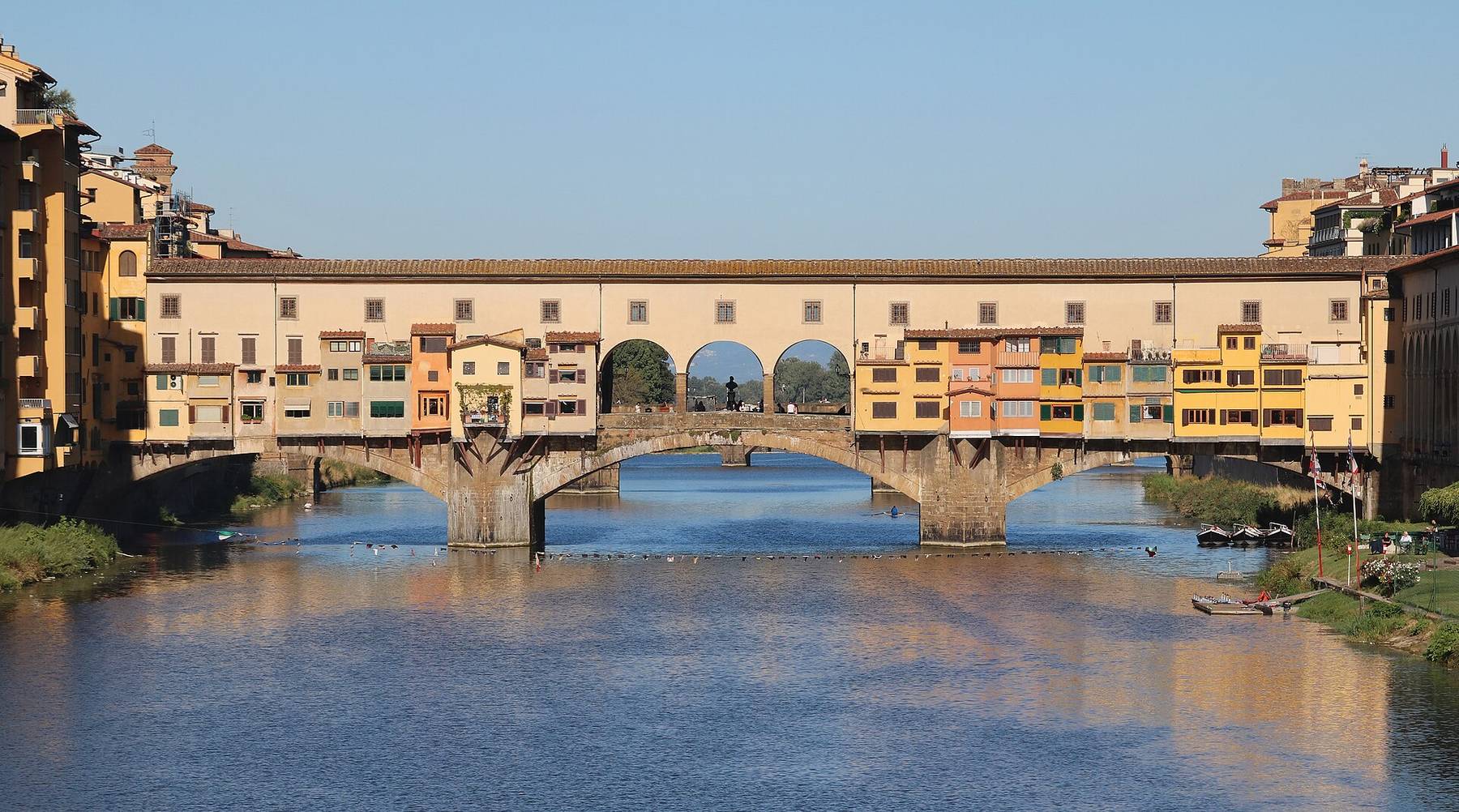
Florence and the Ponte Vecchio in warm autumn light
The complete seasonal guide

Best Time to Visit Italy

There is no single perfect month for every Italian journey. The right time depends on whether you want art cities, quiet villages, warm seas, mountain trails, harvest food or a little of everything.

For the best balance: May, June, September and early October are the strongest all-round periods for many first trips. The weather is generally suited to sightseeing, most seasonal services are operating, and it is easier to combine cities with countryside or coast.

That does not make midsummer or winter wrong. July and August excel for beaches and high mountains; winter can be rewarding for museums, food cities and skiing. Match the month to the route instead of treating Italy as one climate.

Choose the experience before the date

Italy stretches from the Alps to islands close to North Africa. A grey day in Milan can coincide with lunch outdoors in Sicily, while snow remains high in the Dolomites after spring has reached Rome. The country also changes with its calendar: Easter, school holidays, local festivals and August vacations affect crowds, opening hours and prices.

Begin with the trip's main purpose. City travellers benefit from mild temperatures and shorter museum queues. Beach travellers need warm water and active coastal services. Hikers must consider snow, heat and cable-car schedules. Food and wine journeys become especially vivid around harvest, truffle and olive-oil seasons.

  • Reserve famous museums and archaeological sites in every busy period
  • Check accommodation and transport early for Easter, summer and major events
  • Expect mountain, ferry and coastal schedules to change by season
  • Keep one flexible indoor plan for rain or extreme heat
Italy through the year

A practical month-by-month guide

Eight chapters show what each season does best, what to watch for, and where to go.

Snow-covered mountains and autumn forest in the Dolomites
01 · January and February

Quiet cities, mountain snow and winter kitchens

Museums · skiing · opera · regional food · lower crowds

Winter is an underrated time for Rome, Florence, Bologna, Turin and Naples. Days are shorter and rain is possible, but museums and neighbourhood restaurants can feel calmer. Northern mountain resorts are in full ski season, while Sicily and the far south are mild rather than reliably warm.

Choose this period for culture, cooking and value rather than a classic coast holiday. Carnival transforms Venice and several smaller towns, which makes those dates atmospheric but far from quiet. Some lakeside and seaside hotels, restaurants and boat services close or reduce hours.

  • Best for: museums, food cities, skiing and quieter urban stays
  • Watch for: reduced rural services, short daylight and holiday closures
  • Good bases: Rome, Florence, Bologna, Naples, Turin and the Alps
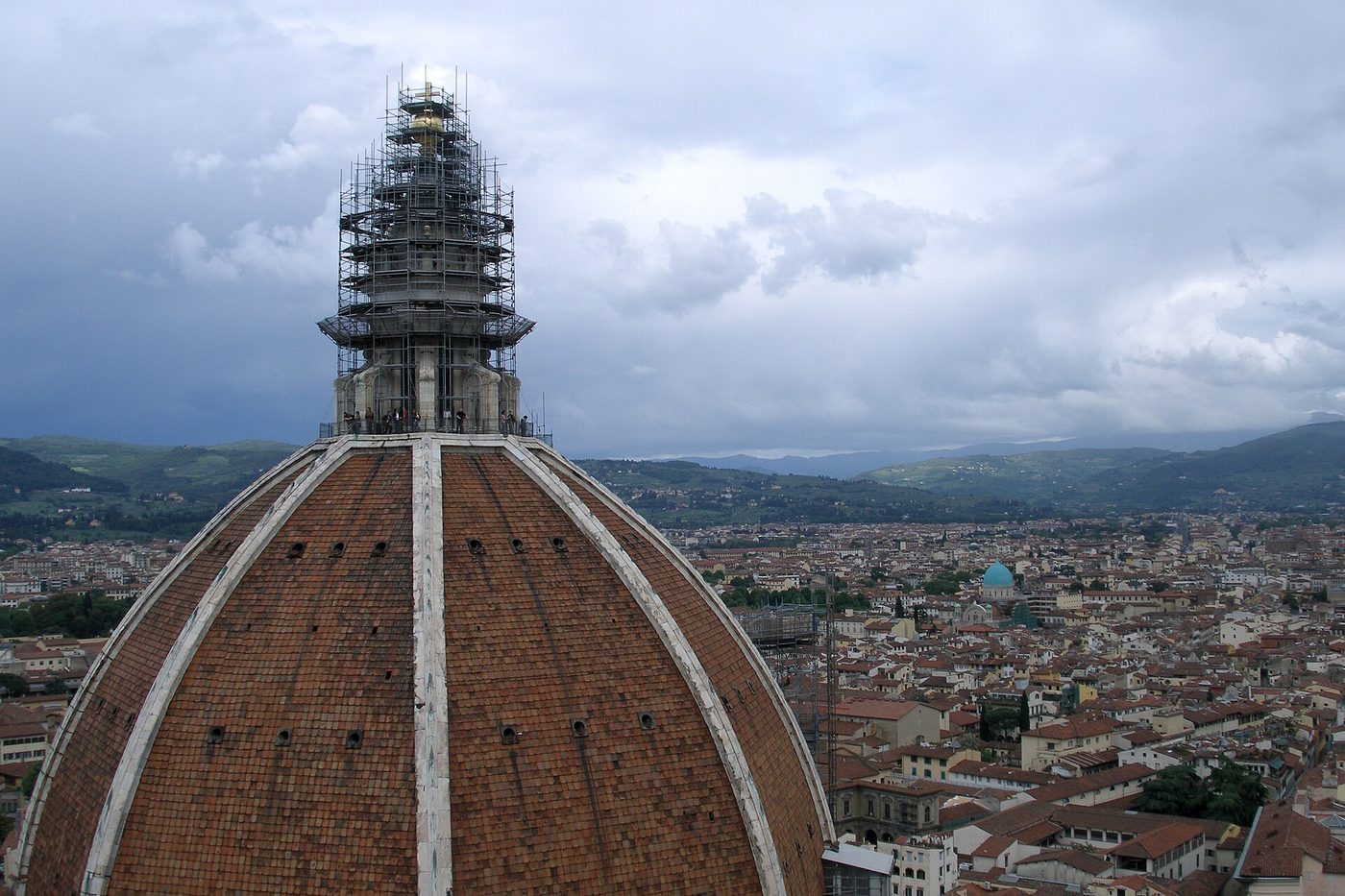
Florence Cathedral under a clear spring sky
02 · March and April

Spring returns to the art cities and countryside

Rome · Florence · gardens · Easter · walking

Spring arrives unevenly, but March and April bring longer days, blossoms and comfortable city walking. Rome, Florence, Venice and smaller hill towns are at their best when a light jacket is enough and summer heat has not settled over stone streets.

Easter is a major travel period, not a quiet secret. Religious events, Italian school breaks and international visitors increase demand, so transport and central accommodation should be booked early. Weather remains changeable; pack layers and build a museum or church into each day's backup plan.

  • Best for: cultural routes, gardens and central Italian towns
  • Watch for: Easter crowds and rapidly changing weather
  • Good combinations: Rome–Florence, Venice–Verona or Naples–Puglia
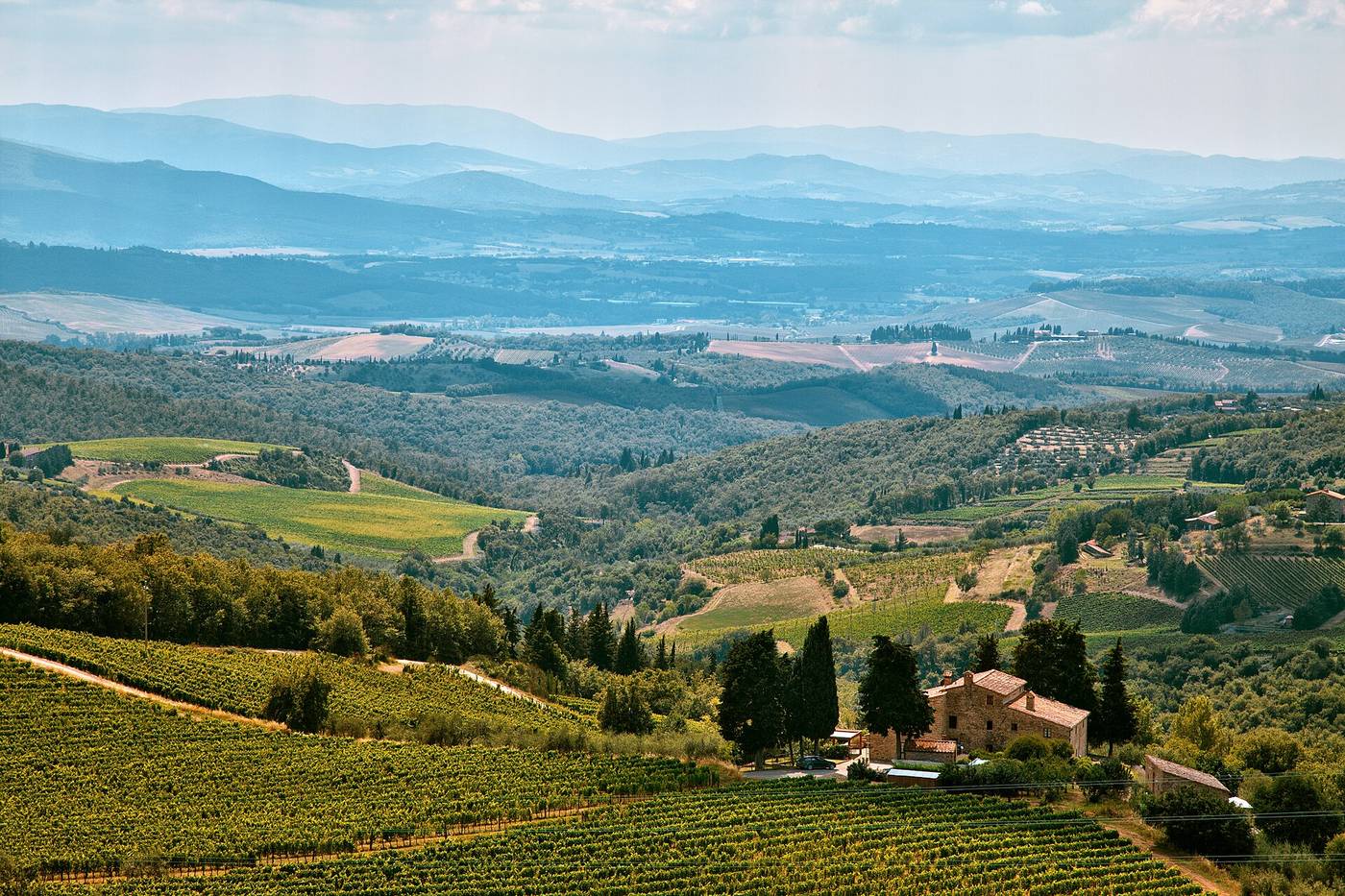
Green Tuscan vineyards and hills in late spring
03 · May and June

The strongest all-round window

Cities · Tuscany · lakes · coast · long daylight

Late spring and early summer allow the broadest range of trips. Tuscany and Umbria are green, lakes and coastal towns are fully awake, mountain valleys open gradually, and evenings invite long dinners outdoors. Sea temperatures improve as June progresses.

Popularity is the trade-off. Major attractions, Amalfi Coast roads and celebrated towns can already be very busy, especially around weekends. Start sightseeing early, stay overnight in places often visited as day trips, and reserve the few experiences that would be disappointing to miss.

  • Best for: first trips, mixed routes and countryside stays
  • Watch for: rising prices and busy headline destinations
  • Ideal routes: city plus coast, city plus wine country, or lakes plus mountains
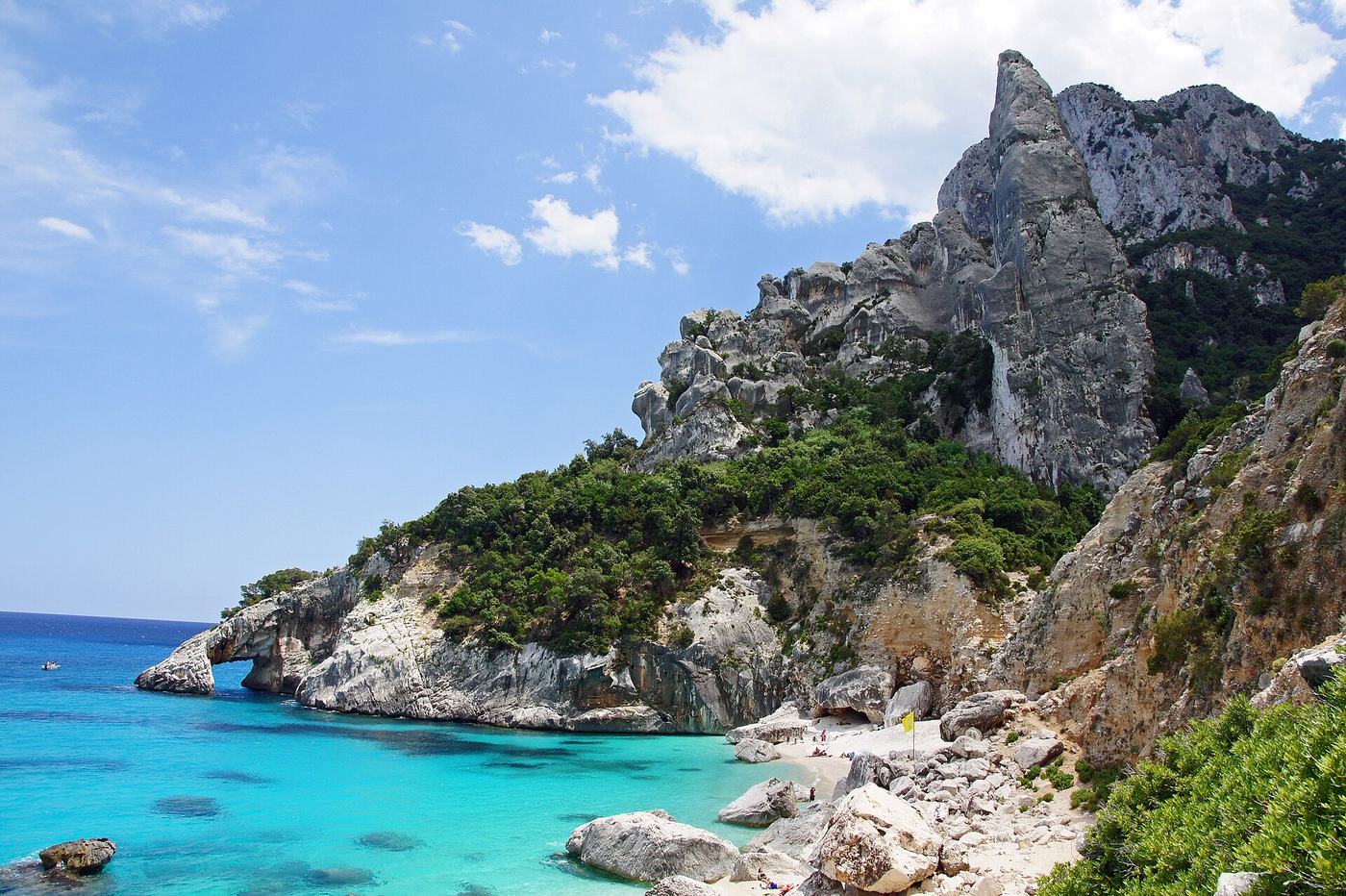
Turquoise sea and rocky Mediterranean coast in Sardinia
04 · July and August

Sea, islands and high mountains

Sardinia · Sicily · Puglia · Dolomites · festivals

This is Italy's great holiday season. Beaches, islands and alpine resorts are lively; ferries and seasonal businesses operate at full pace. It is the natural time for Sardinia, Sicily's coast, Puglia's beaches, Liguria and the high trails of the Dolomites.

Art cities can be intensely hot, crowded and expensive. In August, especially around the Ferragosto period, some urban businesses close while holiday areas fill. If a summer route includes Rome or Florence, use early mornings, a long midday break and shaded evening walks.

  • Best for: beaches, islands, mountain hiking and festivals
  • Watch for: heat, peak prices, traffic and limited last-minute availability
  • Book early: island ferries, beach accommodation and mountain refuges
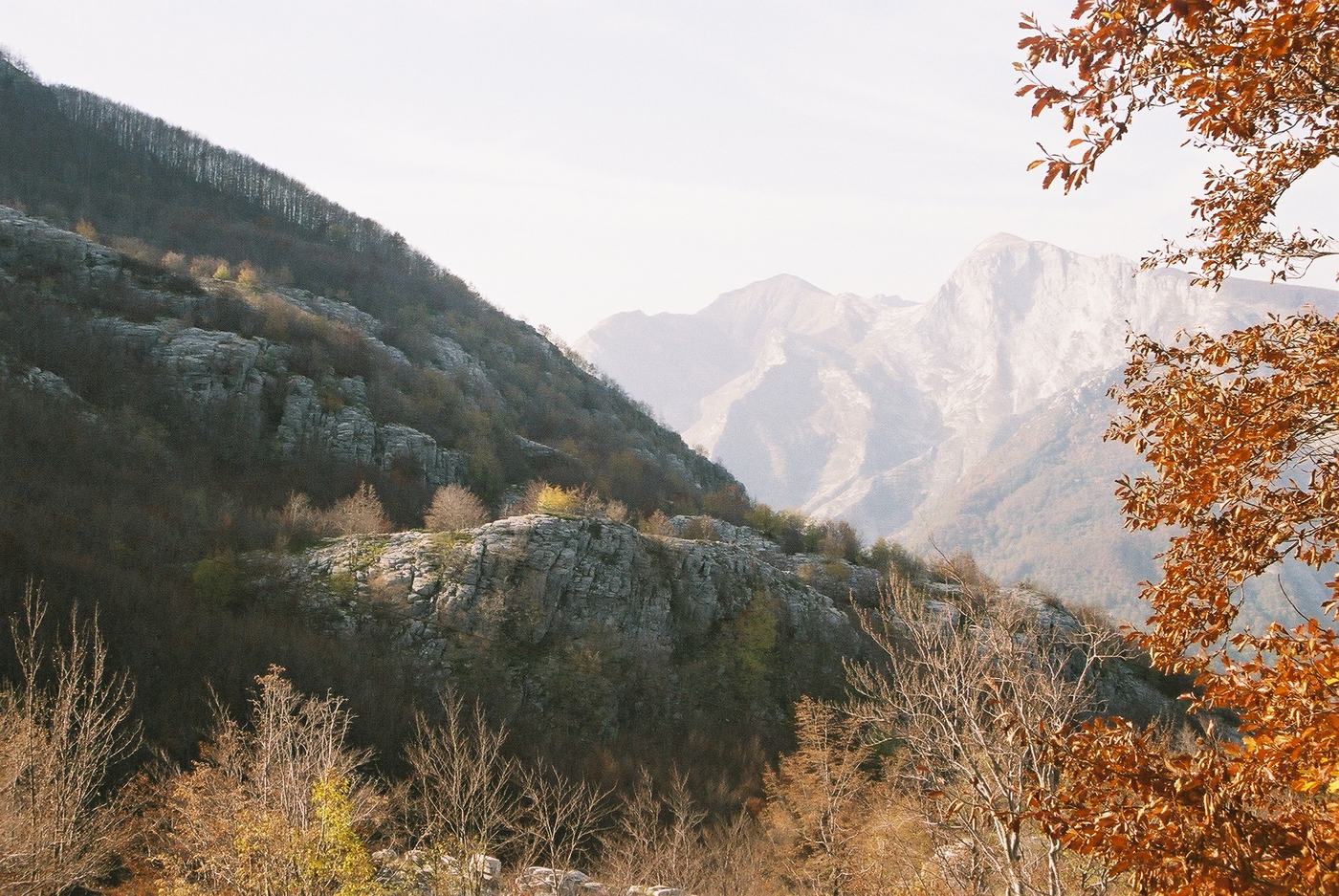
Golden larch trees beneath the Dolomites in autumn
05 · September and October

Harvest landscapes, warm days and serious food

Wine · truffles · olive harvest · cities · walking

Early autumn is another outstanding all-round period. September often keeps a summer feel along the coast, while cities become easier to explore. October brings cooler evenings, changing vineyards and a calendar shaped by grapes, mushrooms, truffles, chestnuts and new olive oil.

Do not assume the entire period is uncrowded. September is peak season in many famous places, and major cities stay popular well into autumn. By late October, mountain conditions and coastal services become less predictable, so verify boats, lifts and seasonal hotels before building a tight route.

  • Best for: wine regions, food trips, cities and softer coastal weather
  • Watch for: harvest demand, rain and shortened seasonal schedules
  • Good regions: Piedmont, Tuscany, Umbria, Veneto, Emilia-Romagna and Sicily
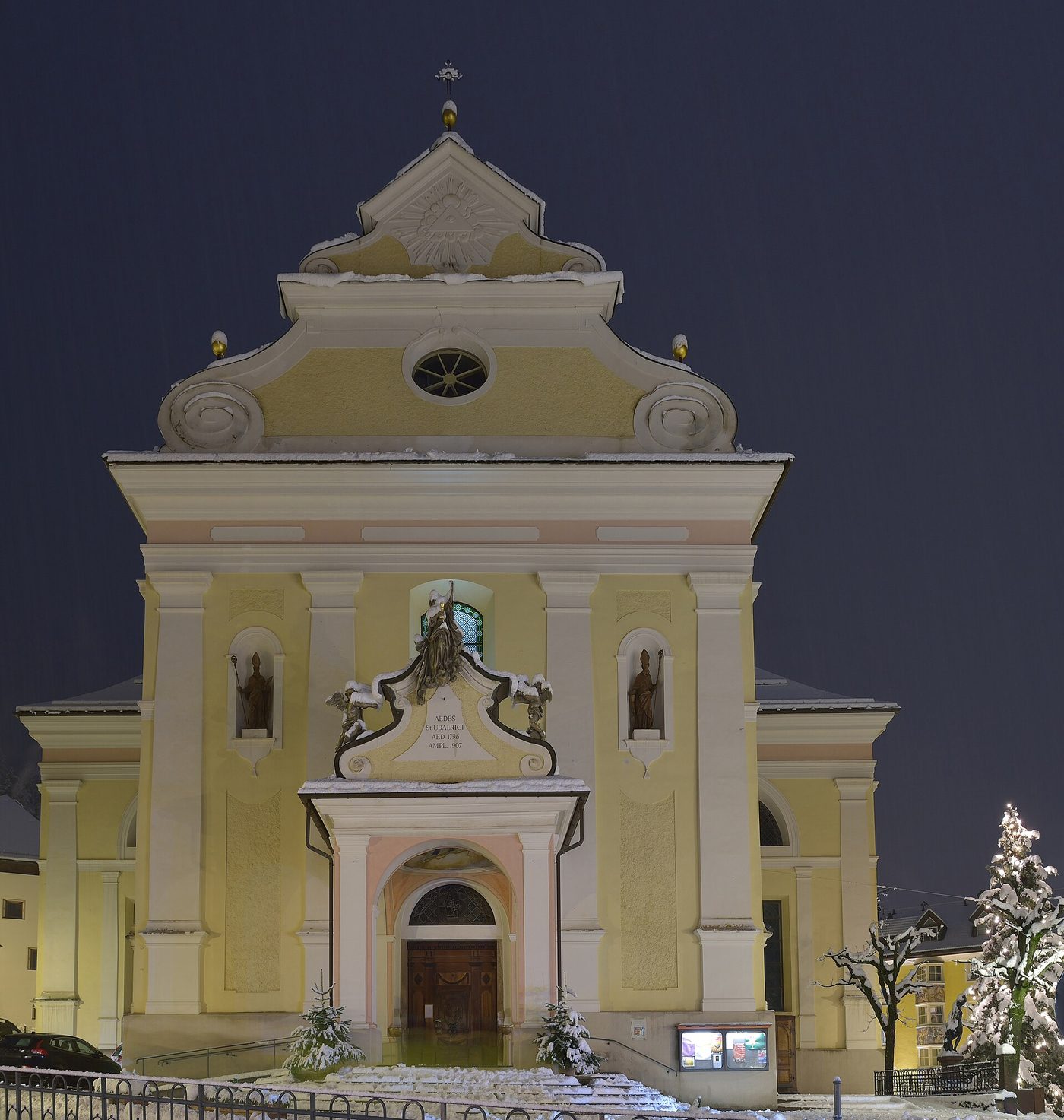
Historic Italian church framed by a quiet winter sky
06 · November and December

Culture, festive streets and slow travel

Museums · Christmas markets · food · city breaks

November is one of the quietest months in many destinations. It suits travellers who value atmosphere, museums and local meals more than perfect photographs. Rain and high water can affect parts of the country, and rural or island businesses may take a seasonal break.

December brings lights, markets, nativity traditions and busy domestic travel around Christmas and New Year. Northern towns have an alpine winter mood; Rome, Naples, Palermo and other southern cities combine festive streets with comparatively mild days. Confirm holiday opening hours directly.

  • Best for: city breaks, regional food and festive traditions
  • Watch for: rain, early darkness and closures outside cities
  • Pack for contrast: waterproof layers in cities and winter gear in the mountains
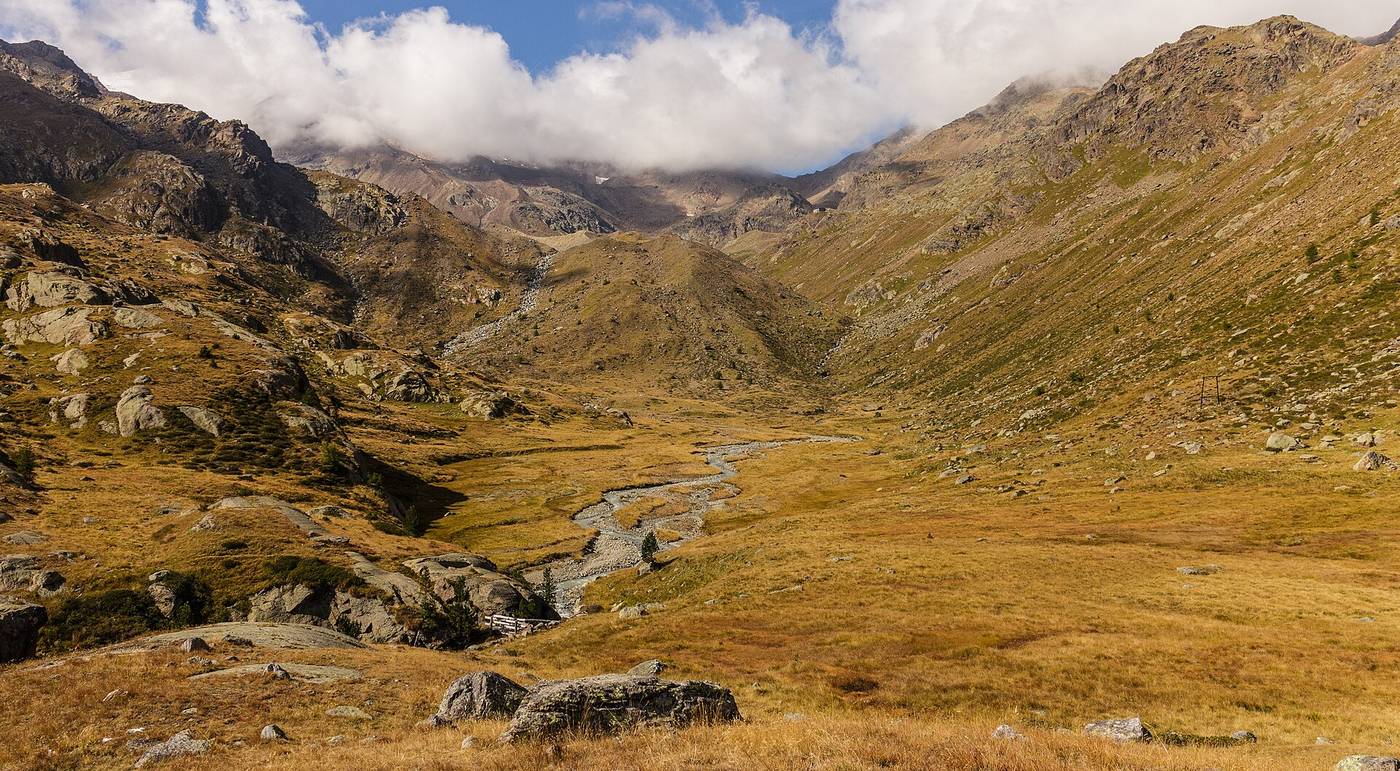
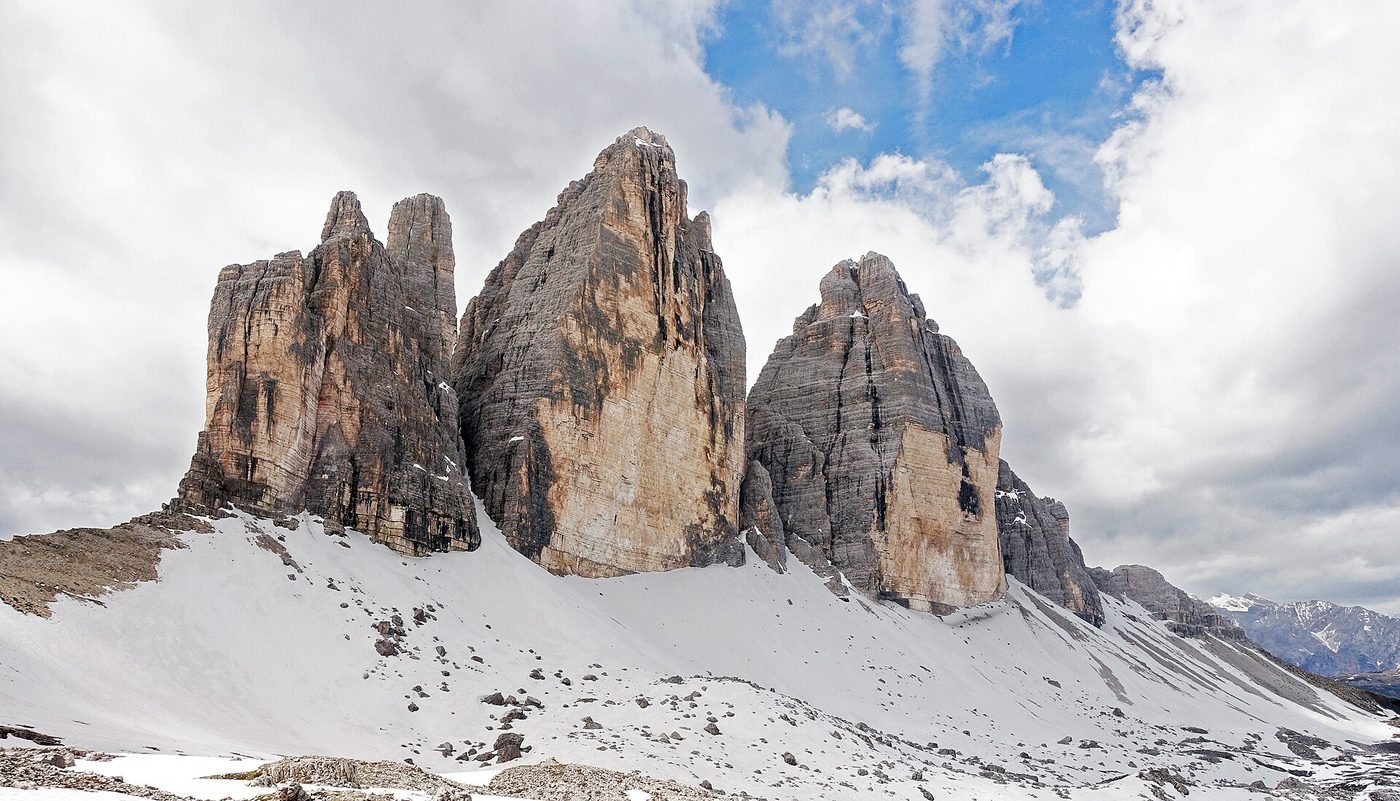
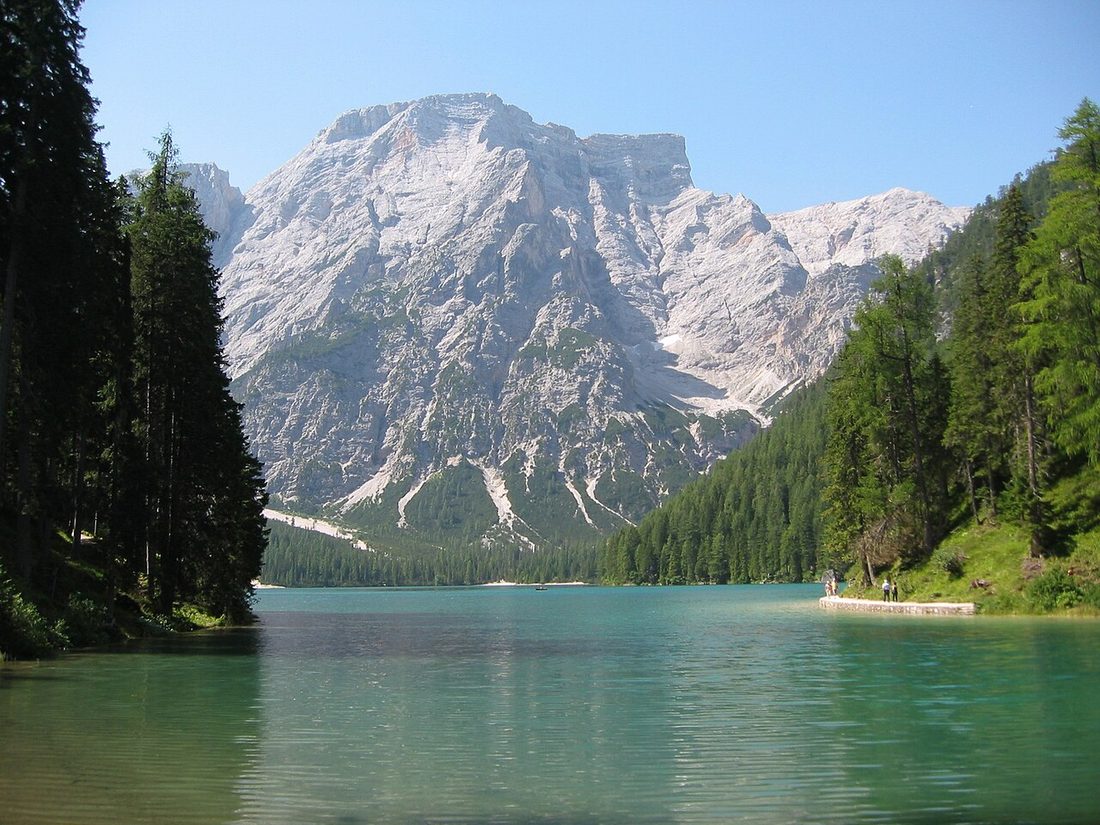
Jagged peaks and green valleys in the Italian Dolomites
07 · By region

North, centre, south and islands follow different clocks

Alps · lakes · Tuscany · Amalfi · Sicily · Sardinia

Northern Italy has the greatest seasonal contrast. Alpine snow supports winter sports, lakes flourish from spring into early autumn, and mountain hiking reaches its broadest range in summer. Central Italy works especially well in spring and autumn, when cities and hill towns are comfortable on foot.

Southern Italy and the islands extend the warm-weather season, but beach services still follow a seasonal calendar. Spring and autumn are excellent for archaeological sites and road trips; midsummer makes the sea the centre of the day. Wind and ferry changes matter on small islands in every season.

  • North: winter for snow, late spring for lakes, summer for high trails
  • Centre: April–June and September–October for cities and countryside
  • South and islands: spring/autumn for touring, summer for the beach
Mount Etna rising beyond Sicily's Mediterranean coast
08 · By travel style

Find your personal best time

Culture · coast · food · road trips · family travel

For a first cultural trip, target late April to June or September into October. For beaches, choose late June through early September, shifting earlier or later in the far south if you prefer less heat. For mountain walking, summer is safest for the widest network of high routes, while lower valleys suit shoulder seasons.

Food and wine travellers should look beyond one national harvest date: grapes, olives, truffles and regional festivals follow local calendars. Families tied to school holidays can still create a rewarding summer journey by combining early sightseeing, swimming, fewer bases and pre-booked accommodation.

  • Art cities: spring, autumn and quieter winter weeks
  • Coast: late June–September; longest warm season in the south
  • Food and wine: September–November, depending on the region

The simplest rule: select two or three experiences that matter most, then choose the season that serves them. A focused October wine-and-city journey will feel more complete than a rushed itinerary trying to force summer beaches, alpine hikes and major museums into the wrong week.