An island that has been quarried for eight thousand years
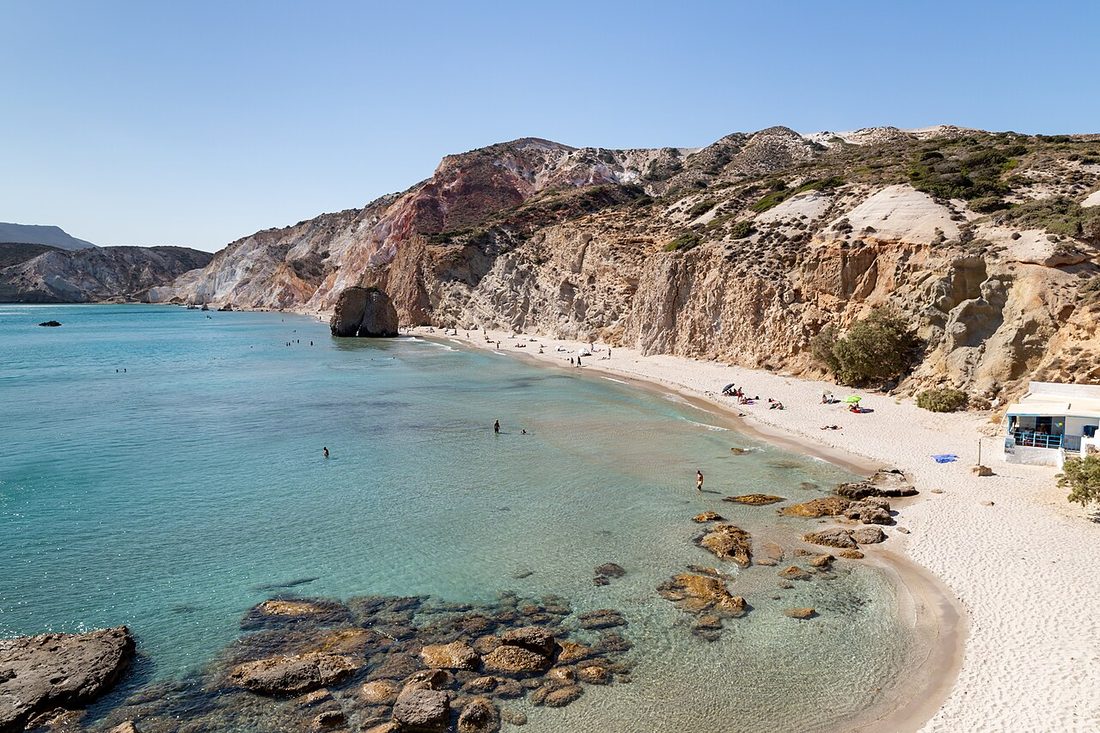
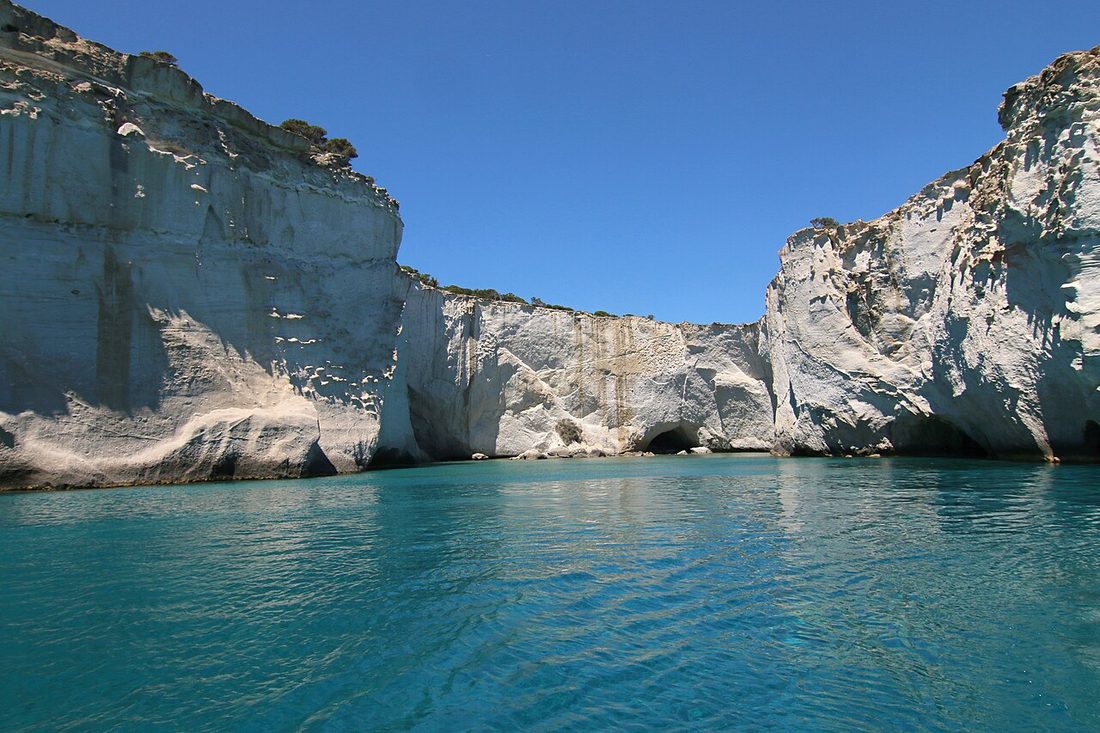
Milos is shaped like a horseshoe because the sea broke into its crater and stayed there, and almost everything on the island follows from that. The rock is ash, pumice and lava in more colours than seems reasonable — rust red at Paleochori, grey-green at Firiplaka, and at Sarakiniko a bare white tuff that the wind and sea have smoothed into shelves and gullies with a single deep inlet cut through the middle. Long before any of that was scenery, it was industry: obsidian from Milos was traded across the Aegean in the Stone Age, and the island still ships bentonite and perlite from the same coast.
The history here comes in unexpected forms. On the hillside below Trypiti a Roman-era theatre looks out over the bay, and in a field beside it a farmer turned up the Venus de Milo in 1820; she left for France within the year and has never come back. A few hundred metres away, galleries cut into the soft rock hold the catacombs of Milos — hundreds of burial niches carved along corridors, in use from the earliest Christian centuries and among the oldest such complexes anywhere. They are quiet, cool and startlingly little visited.
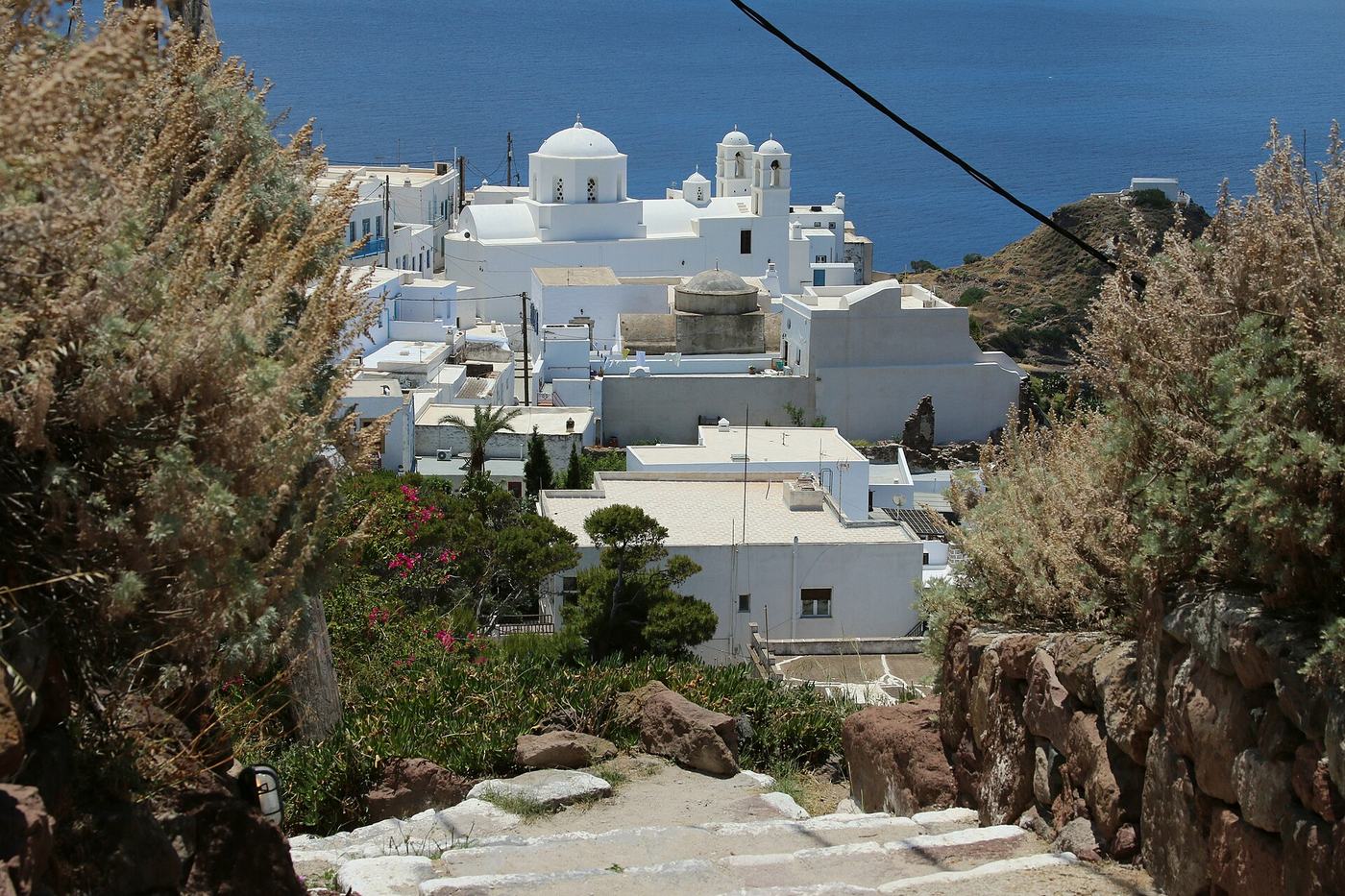
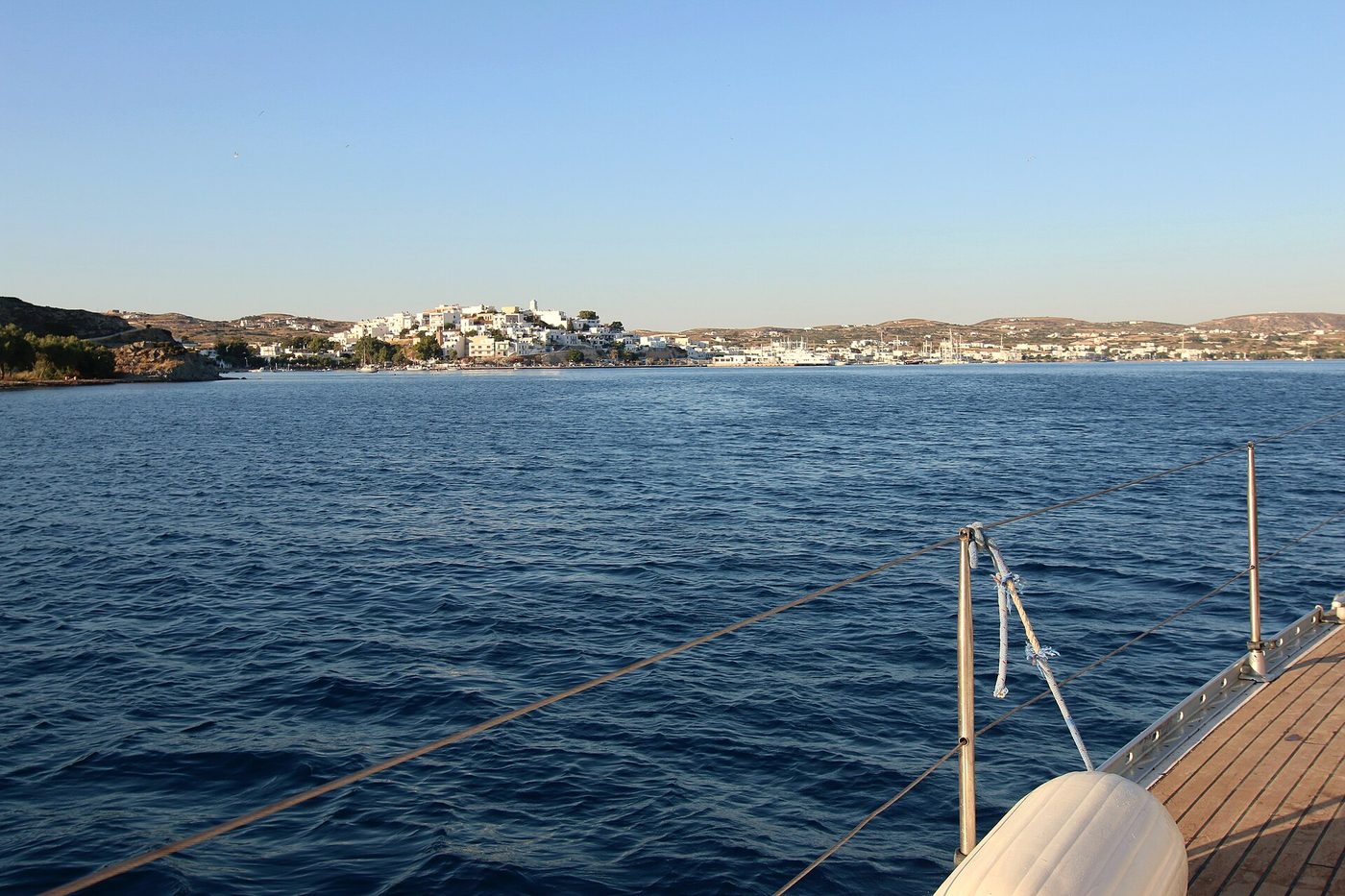
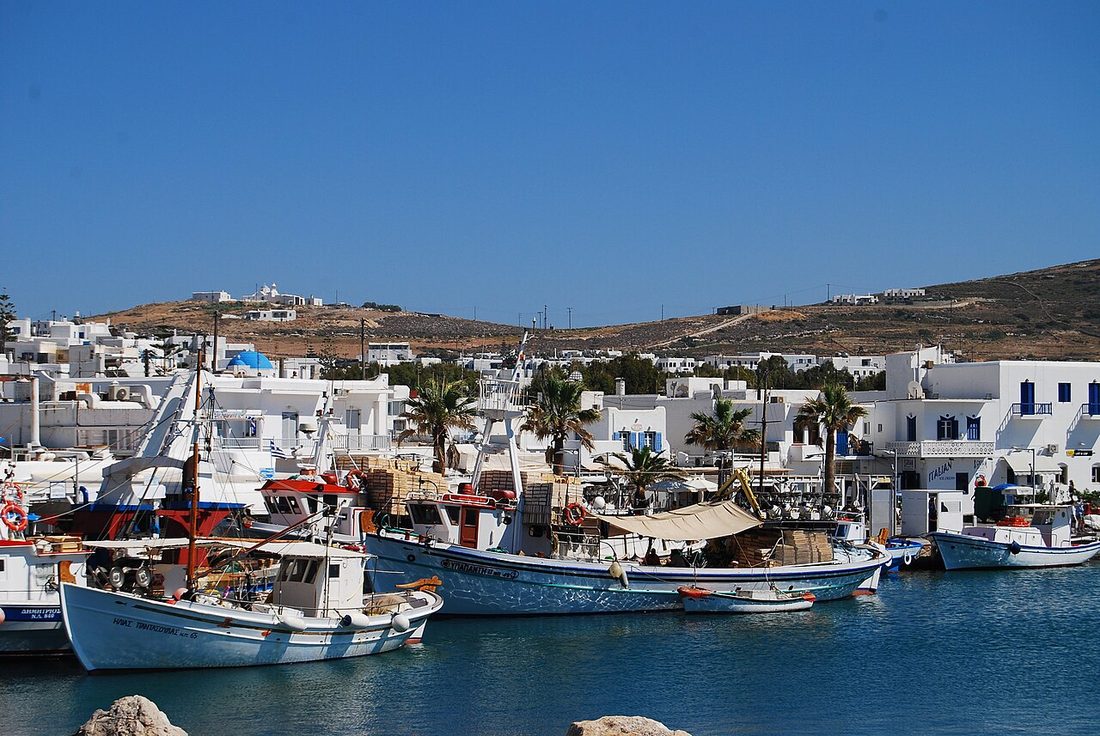
Above them, Plaka keeps the capital's role and the best light on the island; below, at Klima and Mandrakia, the syrmata stand with their feet in the sea — boathouses with brightly painted doors, a garage for the boat beneath and a room above. Roughly half of the coastline has no road to it at all, which is why a day on a boat is not an optional extra here but the way the island is properly seen.
“Book the boat for the first fine day of your stay — on Milos the wind, not the calendar, decides what you get to see.”