Why the Greeks put the centre of the world here
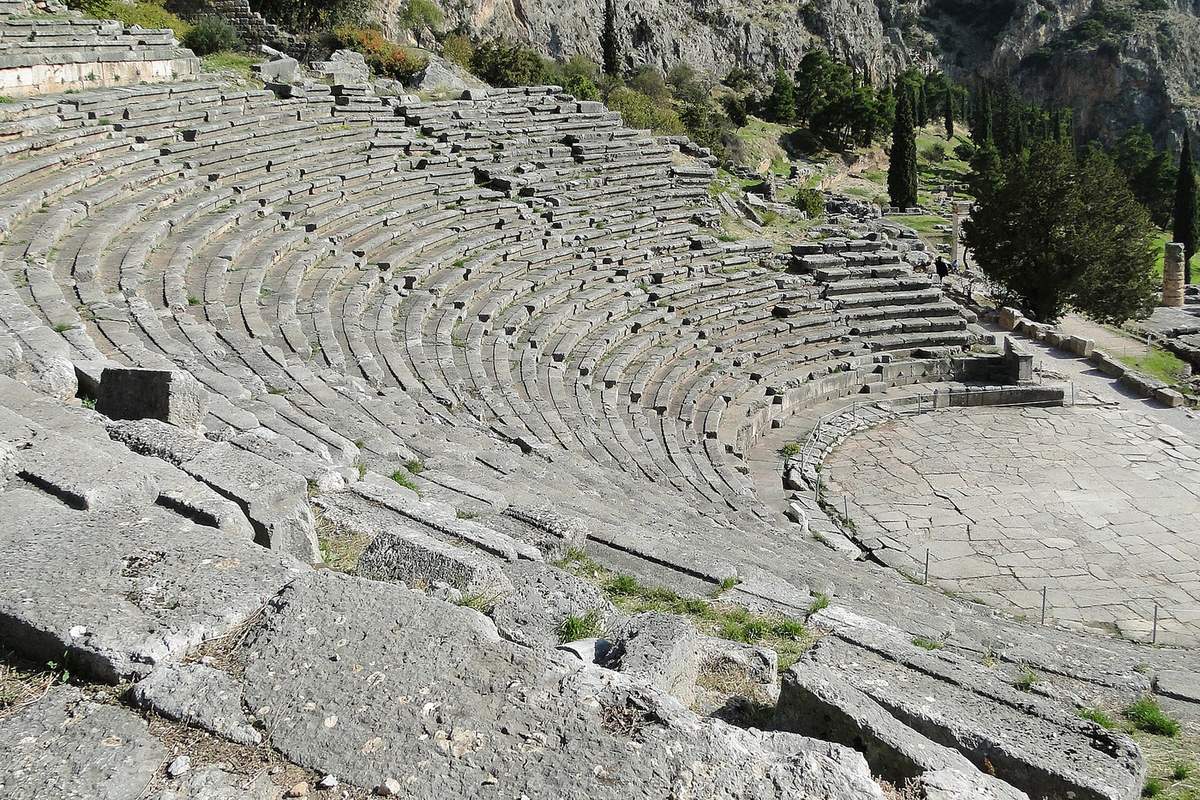
Delphi was the closest thing the ancient Greek world had to a shared address. For a thousand years, cities and kings sent envoys up these terraces to put their questions to the oracle, and the sanctuary grew rich on their gratitude — treasuries, a theatre, a stadium, all stacked on a mountainside that seems to hang above the valley rather than stand on it.
The setting explains the myth. Zeus, the story goes, released two eagles from opposite ends of the earth, and they met here, over the ravines of Parnassus. Whatever you make of that, the Greeks marked the spot with the omphalos, the navel-stone of the world, and consulted the Pythia — the priestess of Apollo — before founding colonies and starting wars.
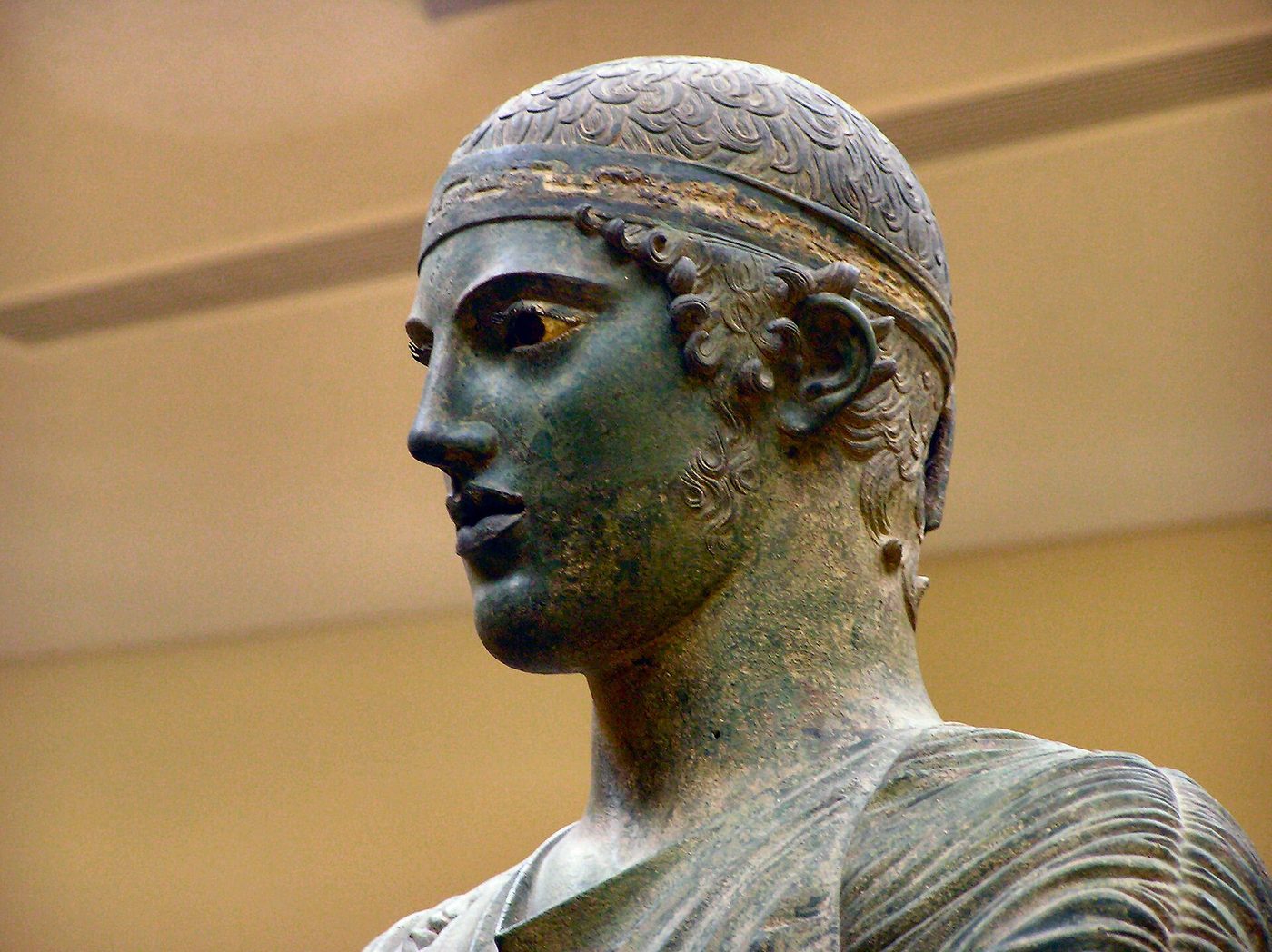
Modern Delphi is two parallel streets of hotels and tavernas a ten-minute walk from the site gate, rebuilt here when the old village was moved off the ruins in the 1890s. Stay the night. The coaches empty the terraces by late afternoon, and the morning belongs to whoever slept nearest the gate — with the museum's bronze Charioteer waiting once the climb is done.
"See the sanctuary at opening time or at the end of the day: Delphi with coaches is a monument, Delphi without them is still an oracle."