The island Venice never let go
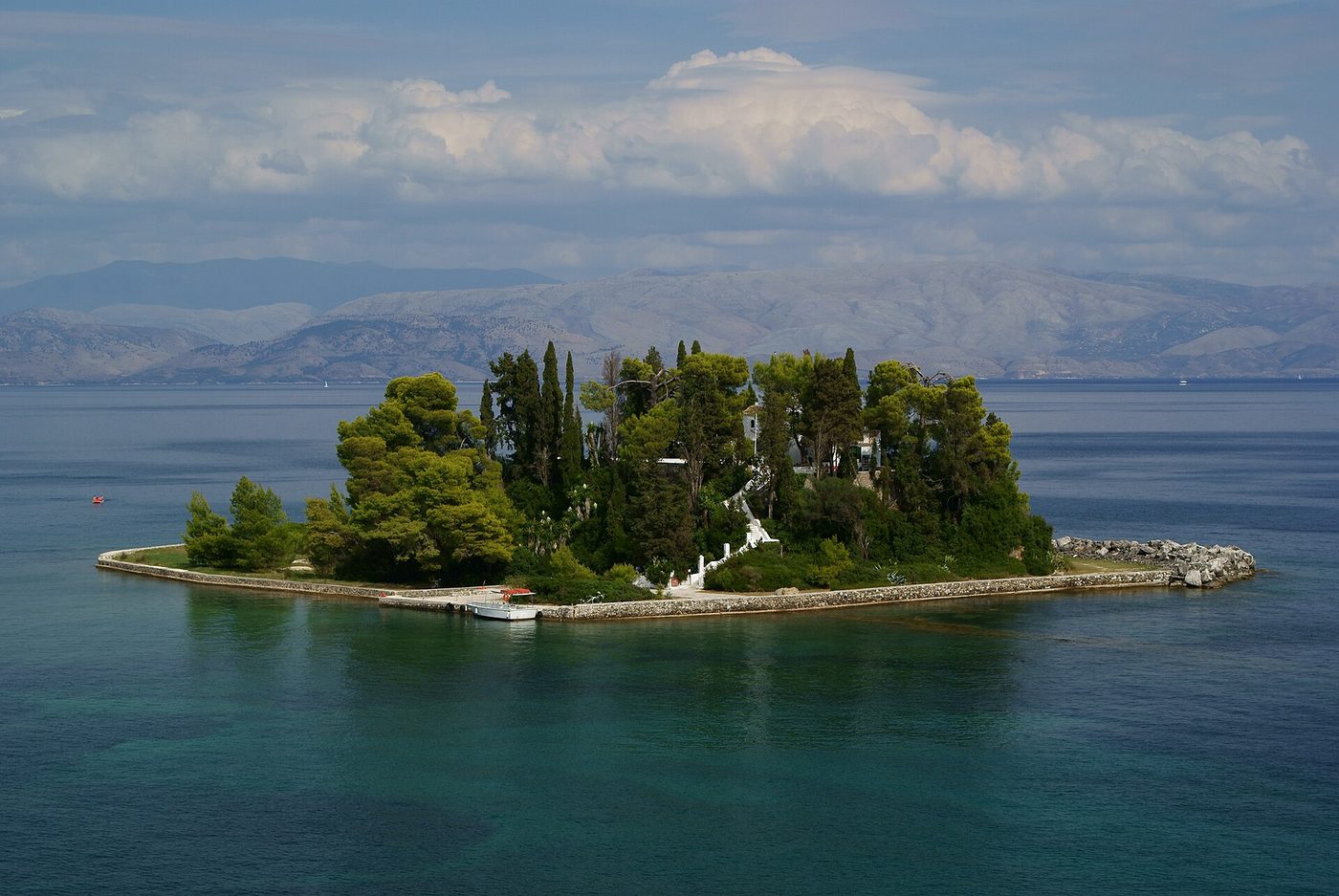
Corfu guards the sea road into the Adriatic, and everyone who mattered in the Mediterranean once fought to hold it. Four centuries under Venice — besieged by the Ottomans, never taken — left the island a capital that feels Italian, hillsides planted end to end with olives, and a temperament that is Greek with a distinct accent of somewhere else.
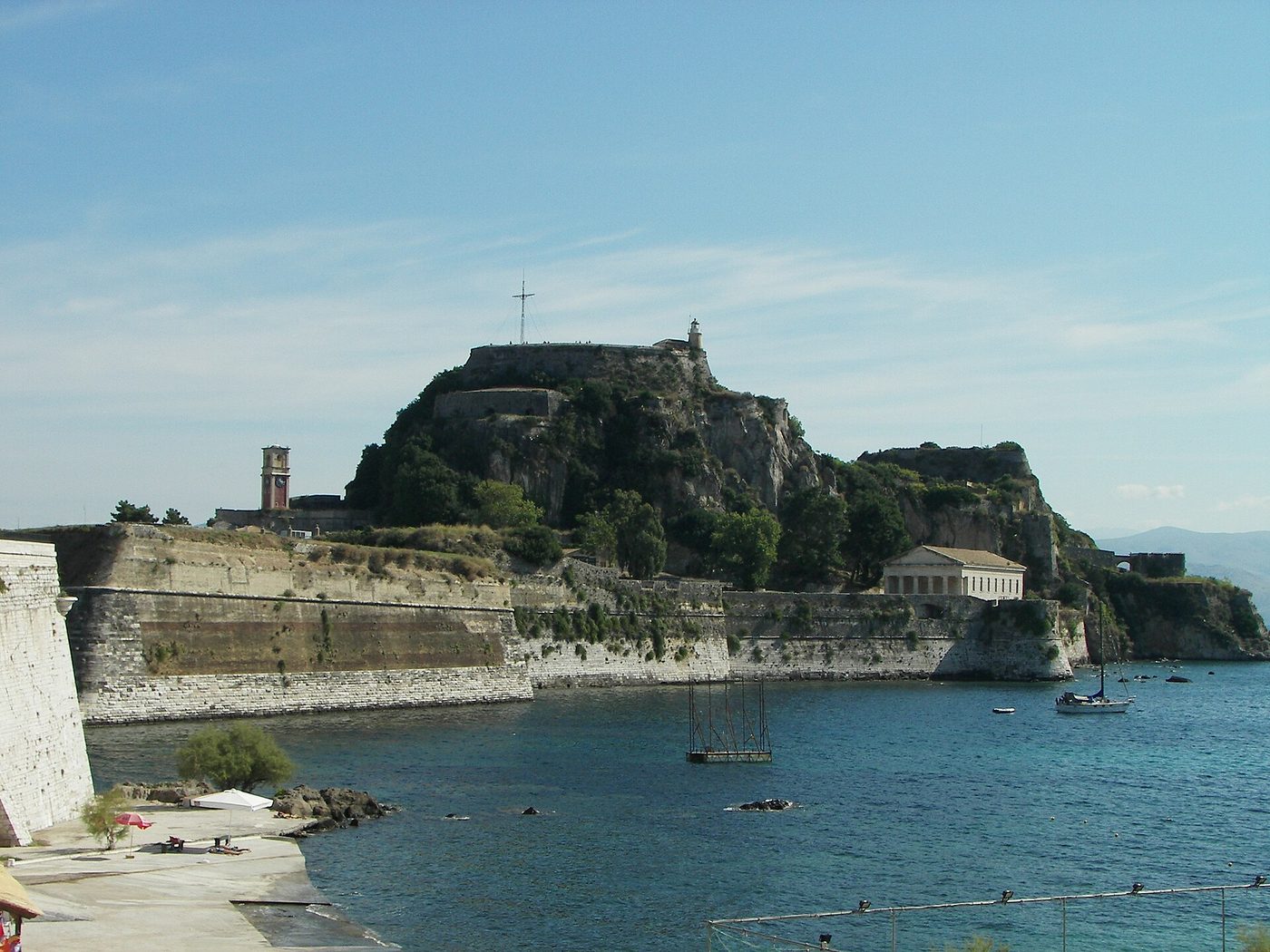
The Old Town, inscribed by UNESCO in 2007, is the argument made in stone: tall Venetian tenements pressed into narrow lanes, the Old Fortress on its double-peaked rock, and the arcades of the Liston, built under French rule and modelled on the Rue de Rivoli. The British added the Ionian's first university, cricket on the Spianada and a taste for ginger beer; all three survive. Above the lanes rises the bell tower of Saint Spyridon, the island's patron, whose relics are processed through the streets four times a year.
Beyond the town the island splits into characters. The north-east coast faces Albania across a strait that narrows to a couple of kilometres, all pebble coves and cypress slopes below Mount Pantokrator, the 906-metre summit — the Durrells lived at Kalami here in the 1930s and wrote the place into legend. The west is taller and wilder, with the coves and monastery of Palaiokastritsa and the cliff-top castle of Angelokastro. South lie the Achilleion palace and, across the water, the small islands of Paxos and Antipaxos.
“Give the Old Town a whole day and the island a slow week — Corfu rewards patience far more than mileage.”