A capital that lost the title and kept the river
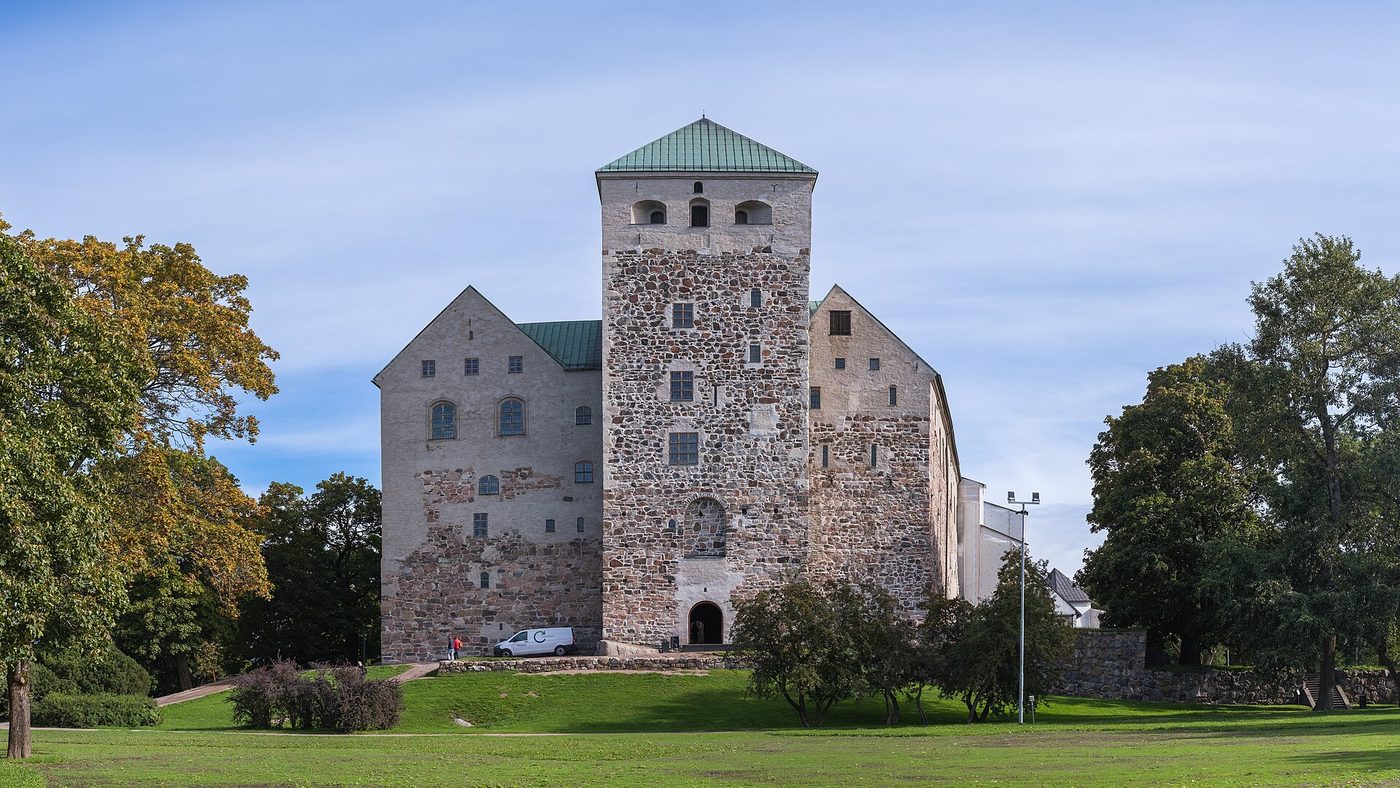
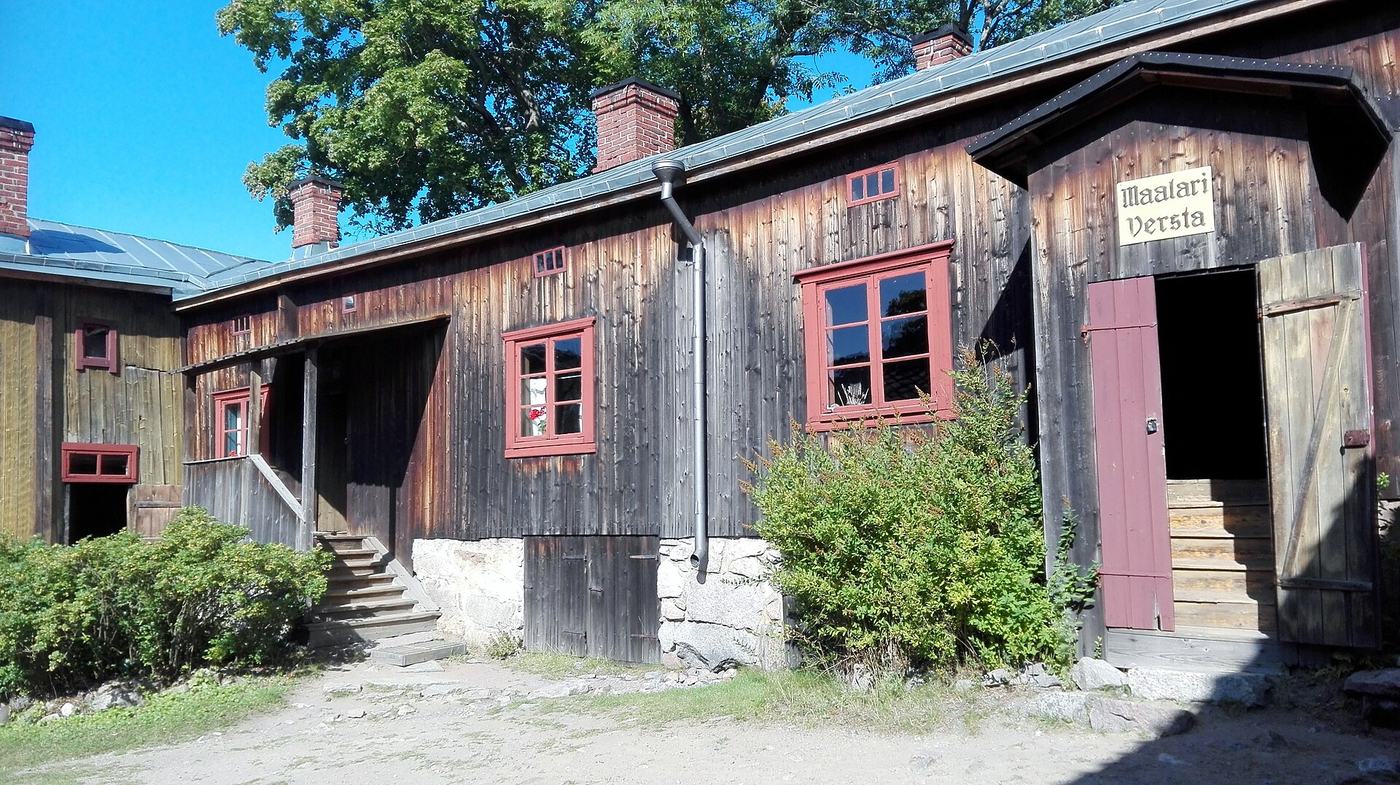
Turku was the capital of Finland until 1812 and the seat of its only university until 1827, when a fire destroyed three-quarters of the city and the rest of the institutions followed the government to Helsinki. What survived the fire is why the city is still worth the journey: the castle at the river mouth, the cathedral above the water, and one hillside quarter of wooden workshops that the flames never reached.
The river is the organising fact. The Aura runs through the middle, lined on both banks with moored restaurant boats, and is crossed by the Föri, a free cable ferry that has carried people the eighty metres from bank to bank since 1904. Walking one bank down and the other back is the standard local afternoon, and it is the right one.
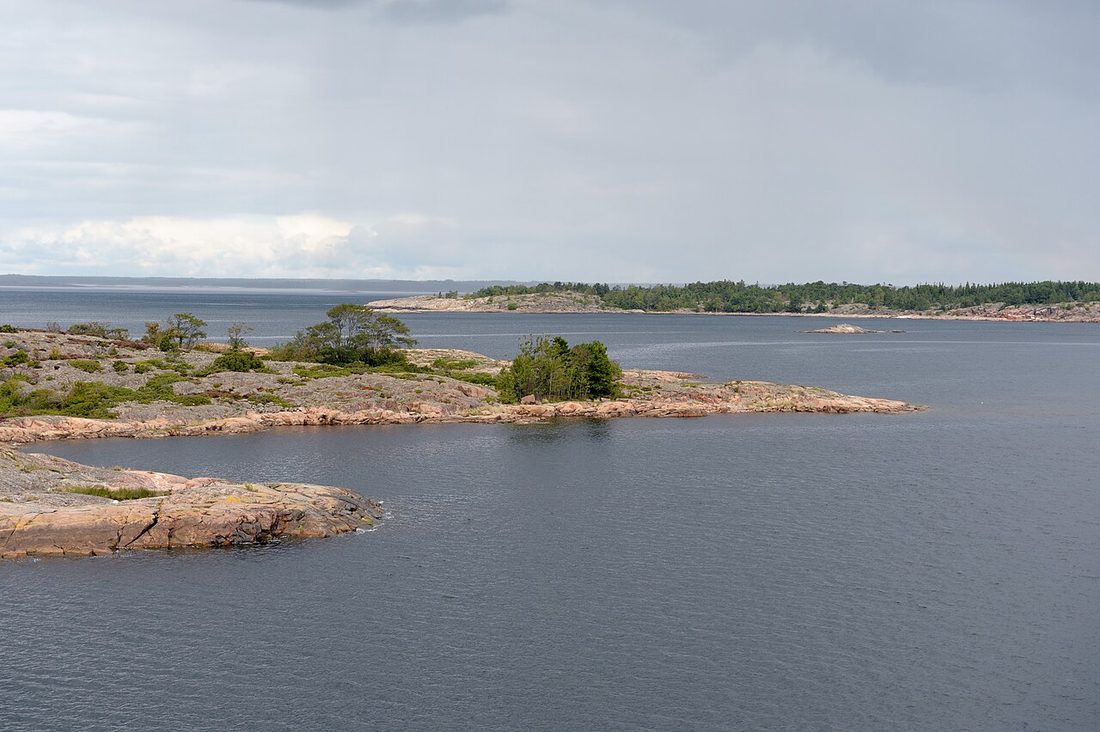
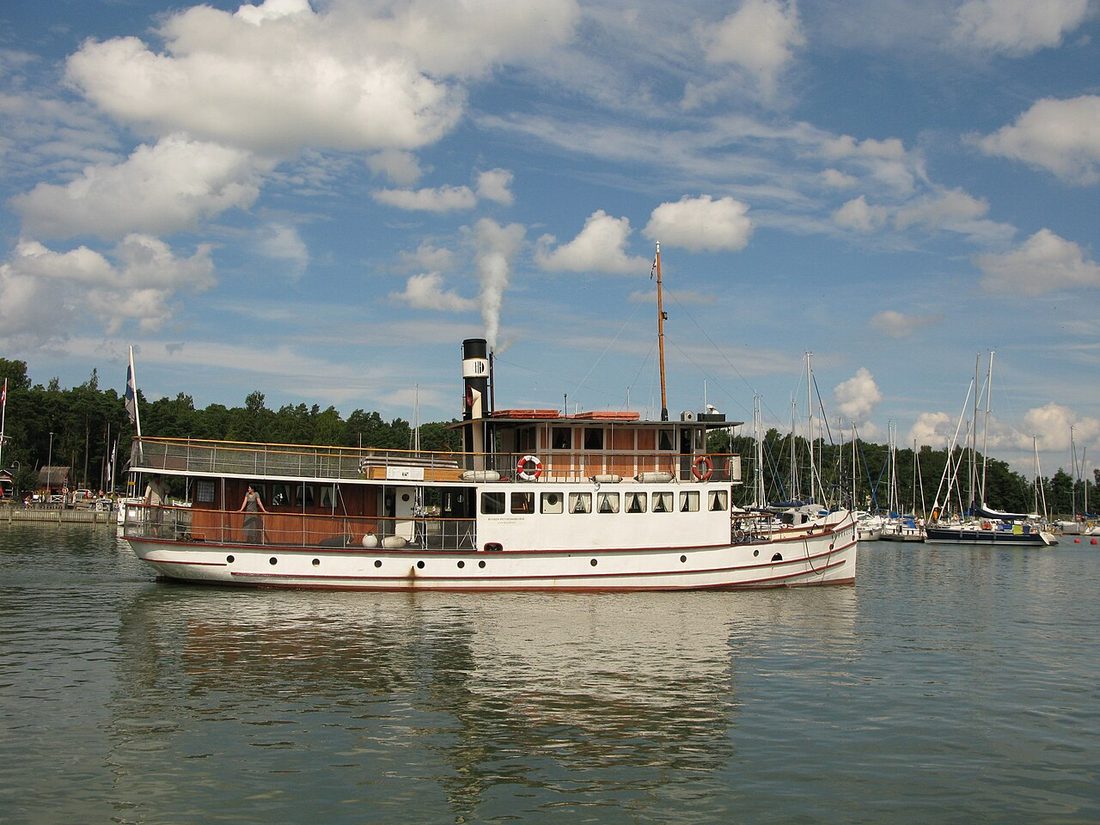
Offshore, the Archipelago Sea holds tens of thousands of islands and skerries — by count the densest island group anywhere. The ring road out through Pargas and Nagu is a genuinely different trip from the city, and needs a day of its own rather than an afternoon.
“Turku is a river with a city on both sides of it. Cross the Föri once and you understand the whole plan.”