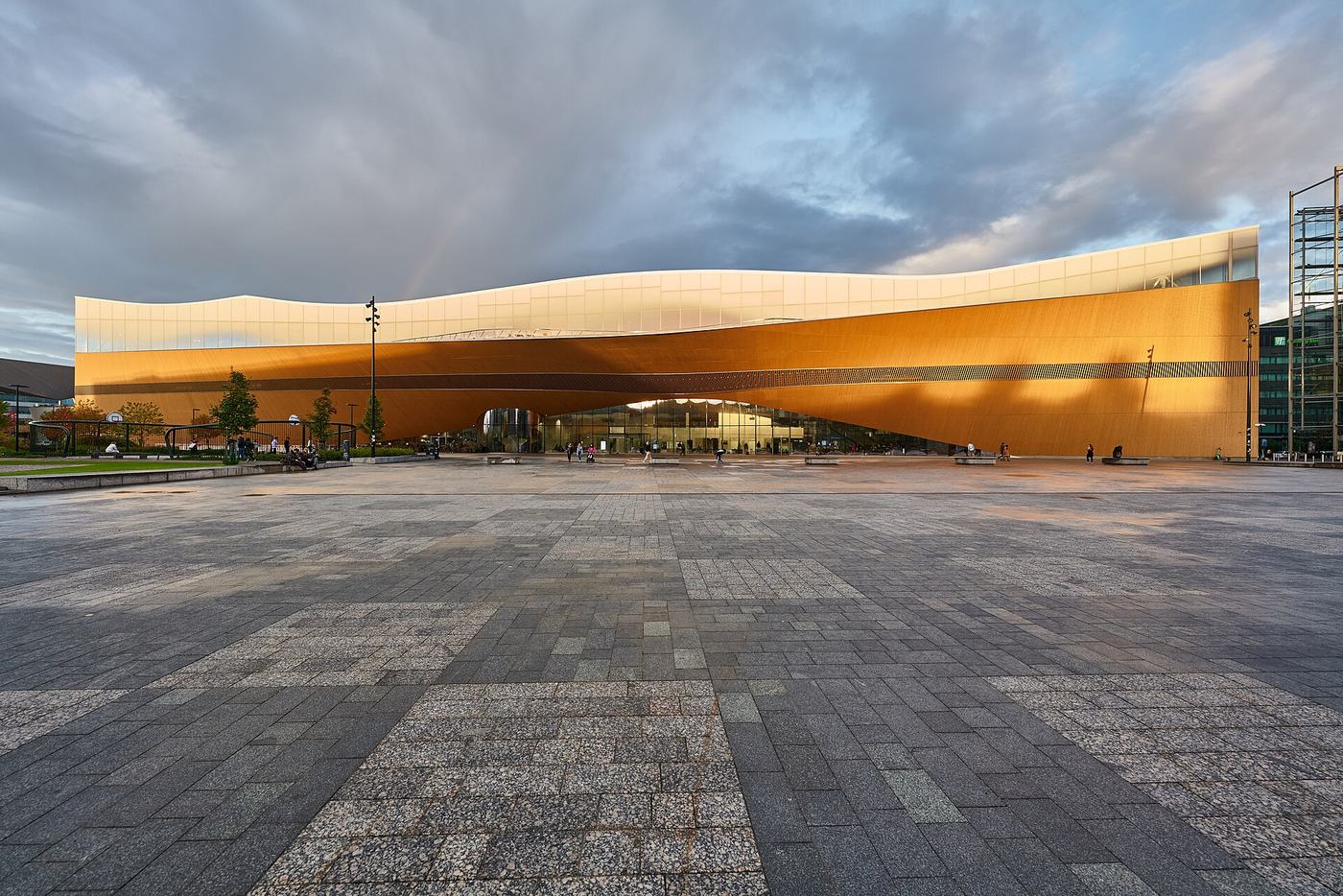
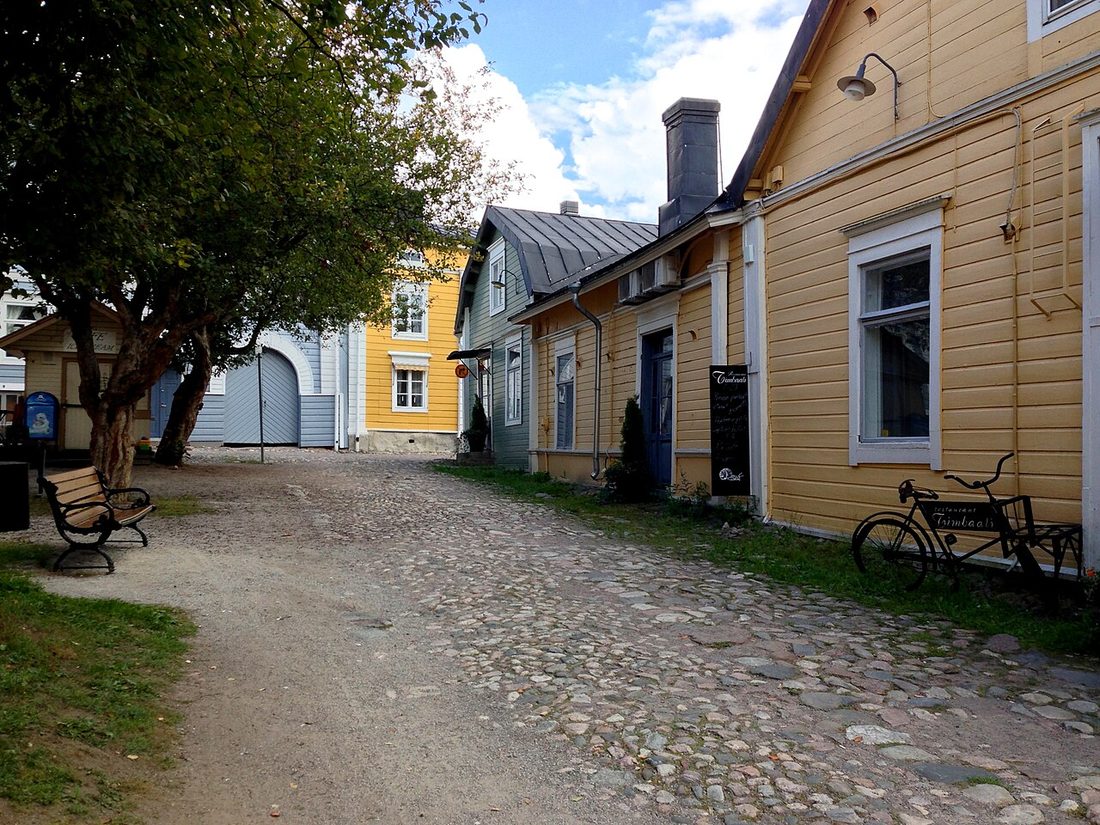
A capital built to order, on 300 islands
Helsinki was founded in 1550 to compete with Tallinn, and for two and a half centuries it did not. It became a capital only in 1812, after Sweden lost Finland to Russia and the new Grand Duchy needed a seat closer to St Petersburg than Turku. Everything a first-time visitor photographs in the centre comes from what happened next: Carl Ludvig Engel was told to build a capital, and built a pale neoclassical one.
The second Helsinki is the one people live in. The city is spread across some 300 islands, and the boat to Suomenlinna is not a tour but a route on the public transport network, taken with the same ticket as a tram. The same ordinariness applies to the sauna: it is domestic infrastructure here, not a treatment, and the public ones on the shore are places you go with a towel and a drink afterwards.
Give it three nights. That covers the neoclassical centre, one long morning on the sea fortress, an afternoon among the small shops of the Design District and two proper evenings. A fourth night is worth it in summer, when the light holds and the archipelago boats run to more than one island.
“Helsinki is small enough to walk and archipelagic enough to surprise you. The ferry timetable, not the map, decides the shape of the day.”