Smoke leaving the public smoke saunas at Kuusijärvi in Vantaa while they heat
Around three million saunas, 5.6 million people

The Finnish Sauna

A sauna in Finland is a room, like a kitchen. It is in flats, offices, holiday cottages and at least one parliament building, and treating it as a treatment is the one mistake every visitor makes.

Almost everything written about the Finnish sauna for visitors gets the register wrong. It is described as exotic, or ancient, or brave, or as wellness. It is none of those. It is a warm room that most Finns have access to at home and use on an ordinary Wednesday, in silence or in conversation, alone or with their family, before dinner.

This guide covers what the room actually is, what löyly means, the handful of etiquette rules that genuinely matter, the difference a smoke sauna makes, why the cold water is not a dare, and where a visitor should go. Finnish sauna culture was inscribed on the UNESCO list of intangible cultural heritage in December 2020, which is a useful fact and tells you nothing about how to behave in one.

How manyCommonly put at around three million, in a country of 5.6 million people
What mattersWash first, sit on a towel, ask before throwing water, leave when you want
The one to seek outA wood-heated public sauna, not a hotel cabinet
Not a contestThere is no endurance element, and Finns will think less of you for trying
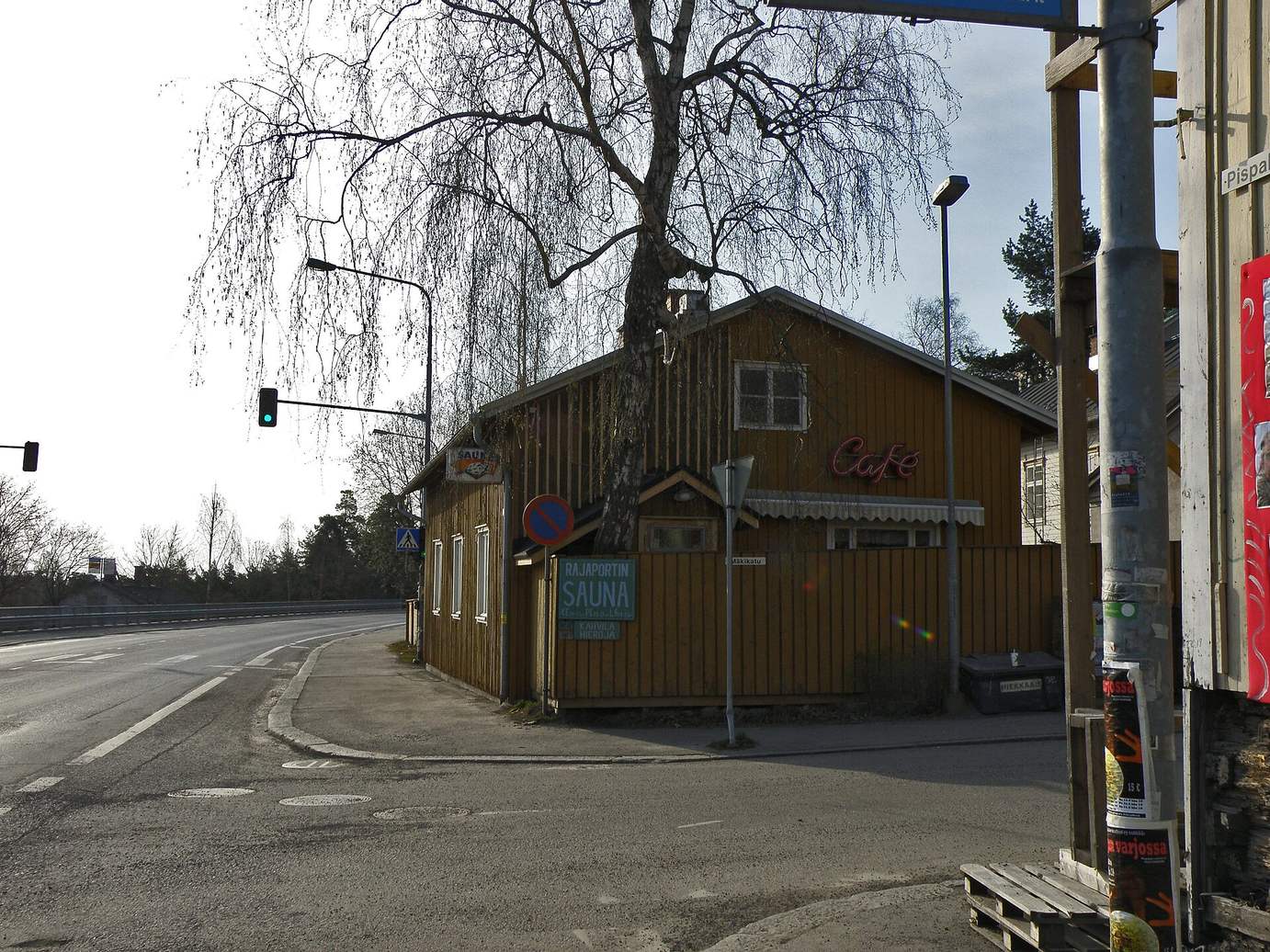
The street corner entrance to Rajaportti in Pispala, the oldest public sauna still working in Finland
Chapter 01

It is domestic infrastructure, not an attraction

Every flat · Offices · Rajaportti 1906 · Pispala · UNESCO 2020

New Finnish apartment blocks are built with saunas. So are workplaces, sports clubs and the parliament. The visitor version is the unusual one.

The scale of it

The number usually given is around three million saunas for 5.6 million people. Whatever the exact figure, the shape of it is right: a private sauna in a flat, a shared one in the basement of the building, one at the summer cottage, one at the office. Going to a sauna is not an outing. It is Wednesday.

That is why the tone visitors bring — reverent, or nervous, or performatively hardy — reads oddly. The correct attitude is the one you would bring to a bath.

The public ones are the exception, and the good one

Because nearly everyone has access to a sauna at home, public saunas nearly died out. Pispala in Tampere kept one going: Rajaportti opened in 1906 and is the oldest public sauna in Finland still in use, a wooden building on a street corner with a hand-painted sign.

In the last fifteen years the public sauna has come back hard, in Helsinki, Tampere and Turku, partly as architecture and partly because people who live alone in flats want company with their heat. For a visitor this is convenient: these are the places set up for someone who does not know the drill.

Tampere has more public saunas than any other Finnish city and is not shy about saying so.

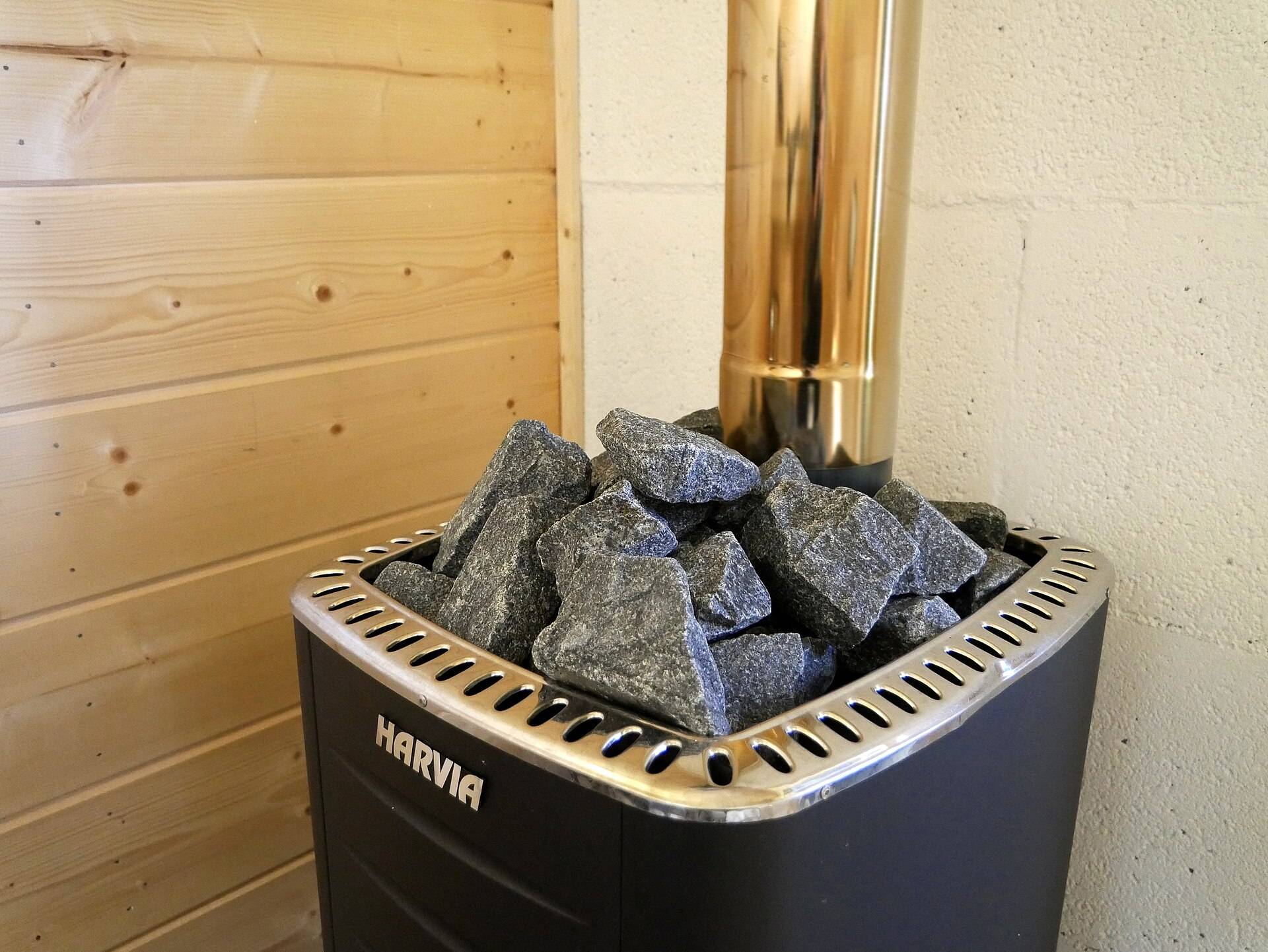
Stones heaped on a sauna stove, the surface that turns water into löyly
Chapter 02

Löyly, and the four rules that actually matter

Kiuas · Stones · 70–100°C · Ask first · No phones

Everything technical about a sauna comes down to a pile of stones on a stove and what happens when water hits them.

What löyly means

Löyly is the word for the burst of steam and heat that rises when you throw water onto the stones of the kiuas, the stove. There is no English equivalent, and Finns discuss the quality of it the way other countries discuss coffee — soft, sharp, dry, good.

A sauna is normally somewhere between 70 and 100°C on the upper bench, and the temperature matters much less than the löyly does. A wood-heated stove with a deep bed of stones gives a softer heat than an electric box, which is the whole argument for seeking out the old ones.

The etiquette, in order of importance

Wash before you go in — shower, properly, every time. Sit on a towel or the paper mat provided; this is about the bench, not about modesty. Ask the others before you throw water, because the heat lands on everyone and someone may have just arrived. And leave whenever you want to, then come back if you want to.

After that it thins out fast. Silence is not a rule and conversation is entirely normal, though the conversation tends to be slower. Phones do not come in. Do not stare, do not photograph, do not treat someone else's nakedness as a subject. Nobody will correct you out loud, which is exactly why it is worth getting right.

The World Sauna Championships in Heinola were abandoned in 2010 after a competitor died. Endurance is not the tradition; it was a mistake bolted onto it.

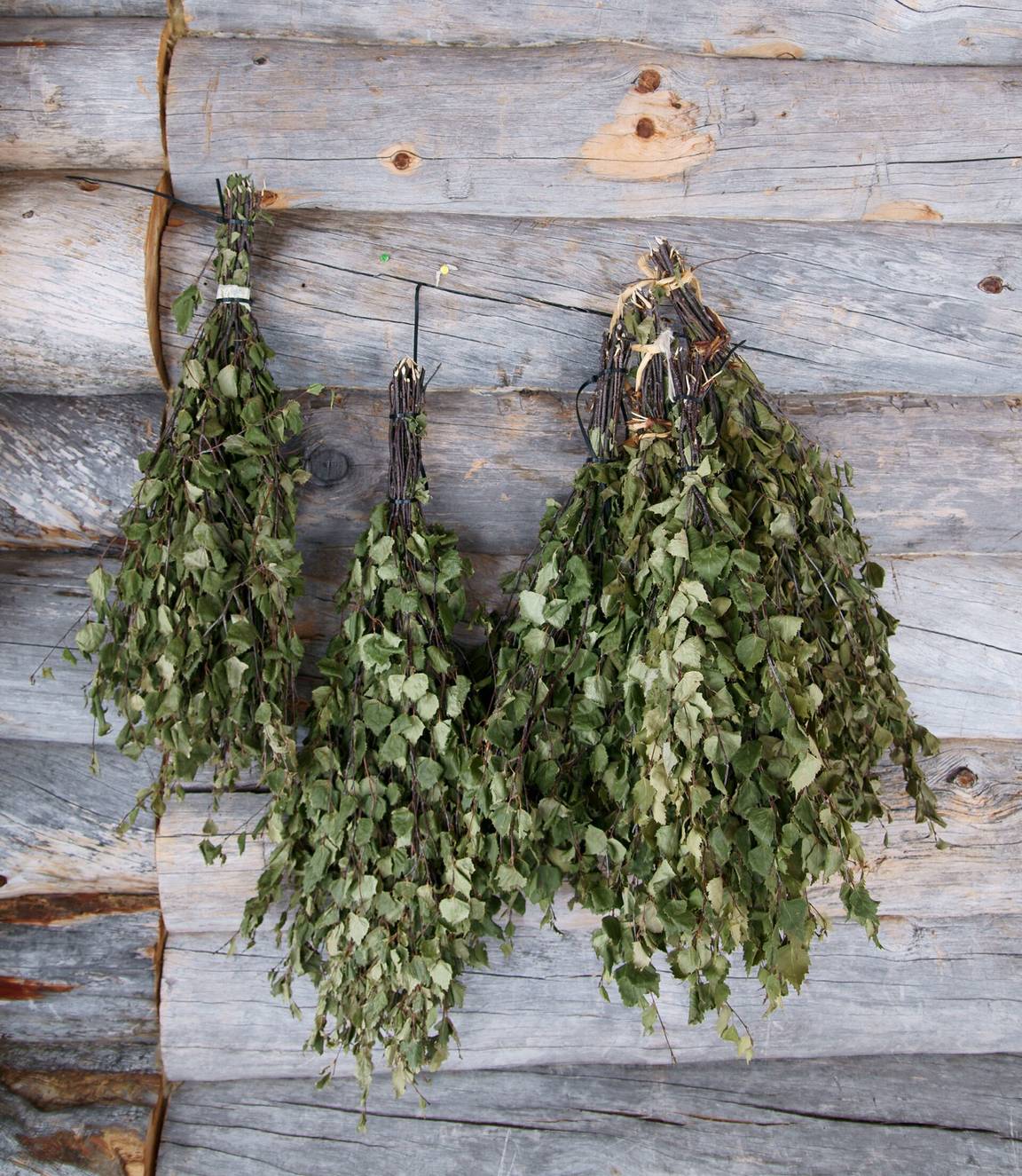
Bundles of birch whisks tied for the sauna
Chapter 03

The vasta, which is not self-flagellation

Vasta · Vihta · Birch · Midsummer · Two words, one object

The bundle of birch twigs is used for circulation and for the smell, and the word for it tells you which half of the country you are in.

What it is for

A vasta is a tied bunch of fresh birch twigs, soaked in warm water and used to slap the skin lightly in the heat. It stings mildly, it raises circulation, and mostly it fills the room with the smell of wet birch leaves, which is half the reason.

They are cut around midsummer, when the leaves are big enough and still soft, and frozen for the rest of the year. A dried one is soaked before use. Nothing about it is severe and nobody uses it on anybody who has not asked.

Vasta or vihta

Eastern Finland says vasta; western Finland says vihta. It is the same object and the boundary between the two words is a real and much-discussed line across the country.

It is also a reliable way to start a conversation on a bench, if you want one, and a reliable way to be told you are wrong, which in Finland is a form of friendliness.

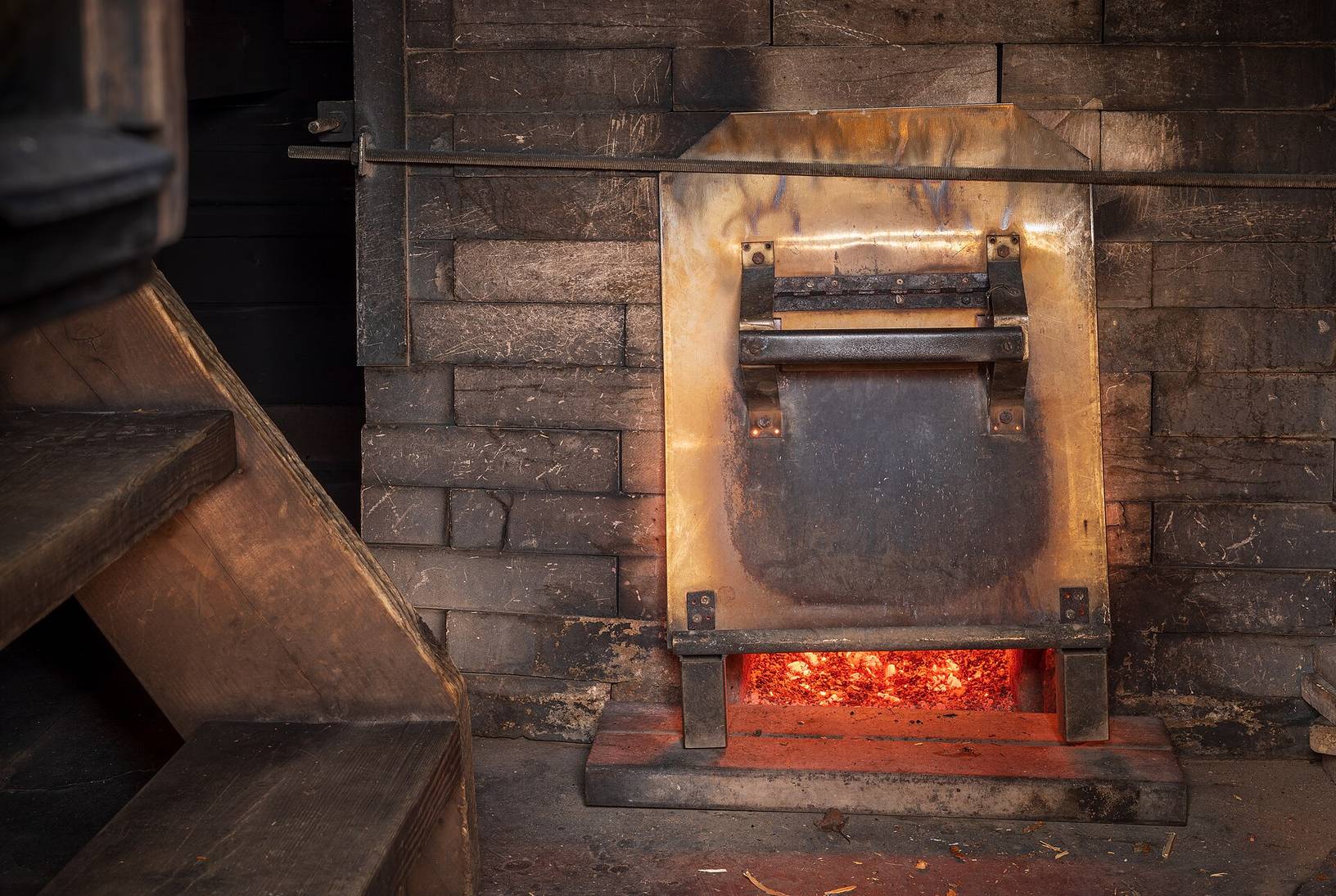
The open wood stove inside a smoke sauna at Kuusijärvi
Chapter 04

Smoke sauna: no chimney, half a day of heating, a different heat

Savusauna · No chimney · 4–8 hours · Soot walls · Softest löyly

The oldest form, nearly lost in the twentieth century, and the one worth going out of your way for.

How it works

A savusauna has no chimney. A large stone-filled stove is fired for four to eight hours and the smoke fills the room and leaves through a vent and the door, blackening the walls. When the fire has burned down and the smoke has been let out, the stones hold the heat and the sauna is used.

The result is a soft, heavy, low-oxygen heat that people who care about this describe as the real thing, in a room that smells of woodsmoke and looks like the inside of a chimney. It is entirely clean — the soot stays on the walls.

Where to find one

They are mostly private and mostly rural, which is why the accessible public ones matter. Kuusijärvi in Vantaa, half an hour from central Helsinki, runs public smoke saunas beside a lake with a swimming place and an ice hole in winter. Kuopio's smoke sauna at Rauhalahti is one of the largest in the world and takes coachloads without feeling like it.

If you are staying at a cottage anywhere in the Lakeland, ask. A surprising number have one, and heating it is an afternoon's work that the owner may well enjoy an excuse for.

Allow the whole evening. A smoke sauna is not a thing you drop into for twenty minutes.

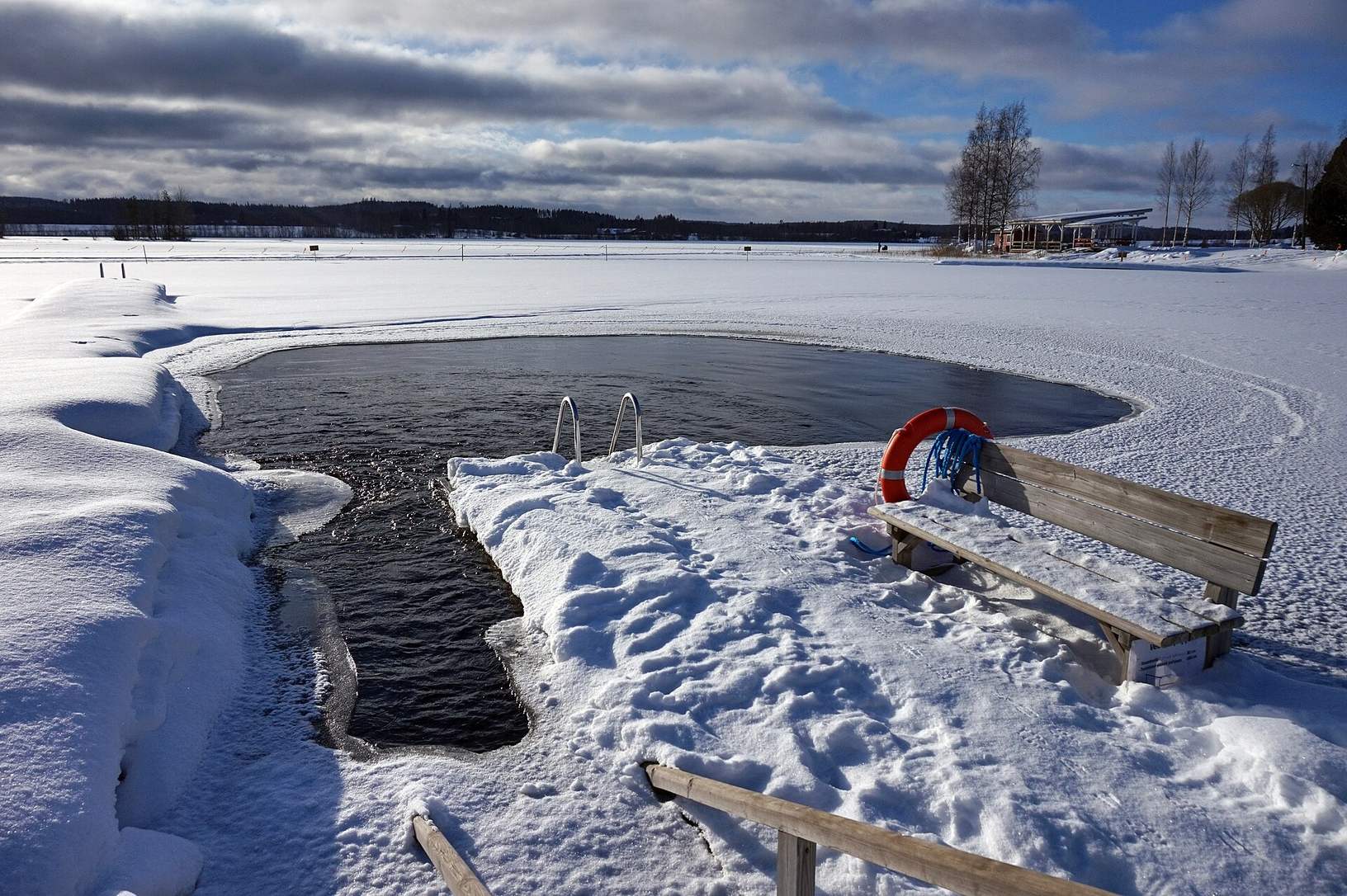
A cut ice hole and its ladder on frozen Lake Peurunka
Chapter 05

The water afterwards, which is the actual point

Avanto · Lake · Sea · Winter swimming · Not a dare

The sauna is half of it. The cold water is the other half, and Finns do it calmly, briefly and without ceremony.

In summer, the lake

The standard cycle at a cottage is sauna, lake, sit outside, repeat, for as long as the evening lasts. The lake is usually five steps away and the jetty exists for this. Nobody swims far; you get in, you come out.

This is the version most visitors will meet, and the thing to notice is how unremarkable it is. There is no countdown, no photograph and no one watching.

In winter, the avanto

An avanto is a hole cut and maintained in the ice, with a ladder and usually a handrail. Winter swimming is a normal Finnish hobby with clubs, changing huts and season tickets, and the people doing it in January are ordinary and mostly over fifty.

Go in slowly, stay a few seconds, get out on the ladder rather than the edge. Do not do it after alcohol — this is the one piece of safety advice that Finns state directly, and it is the reason for most of the accidents that happen. If you have a heart condition, ask a doctor rather than the internet.

Cold water is not the test at the end of the sauna. It is the second half of the same thing, and it is what makes the heat feel worthwhile.

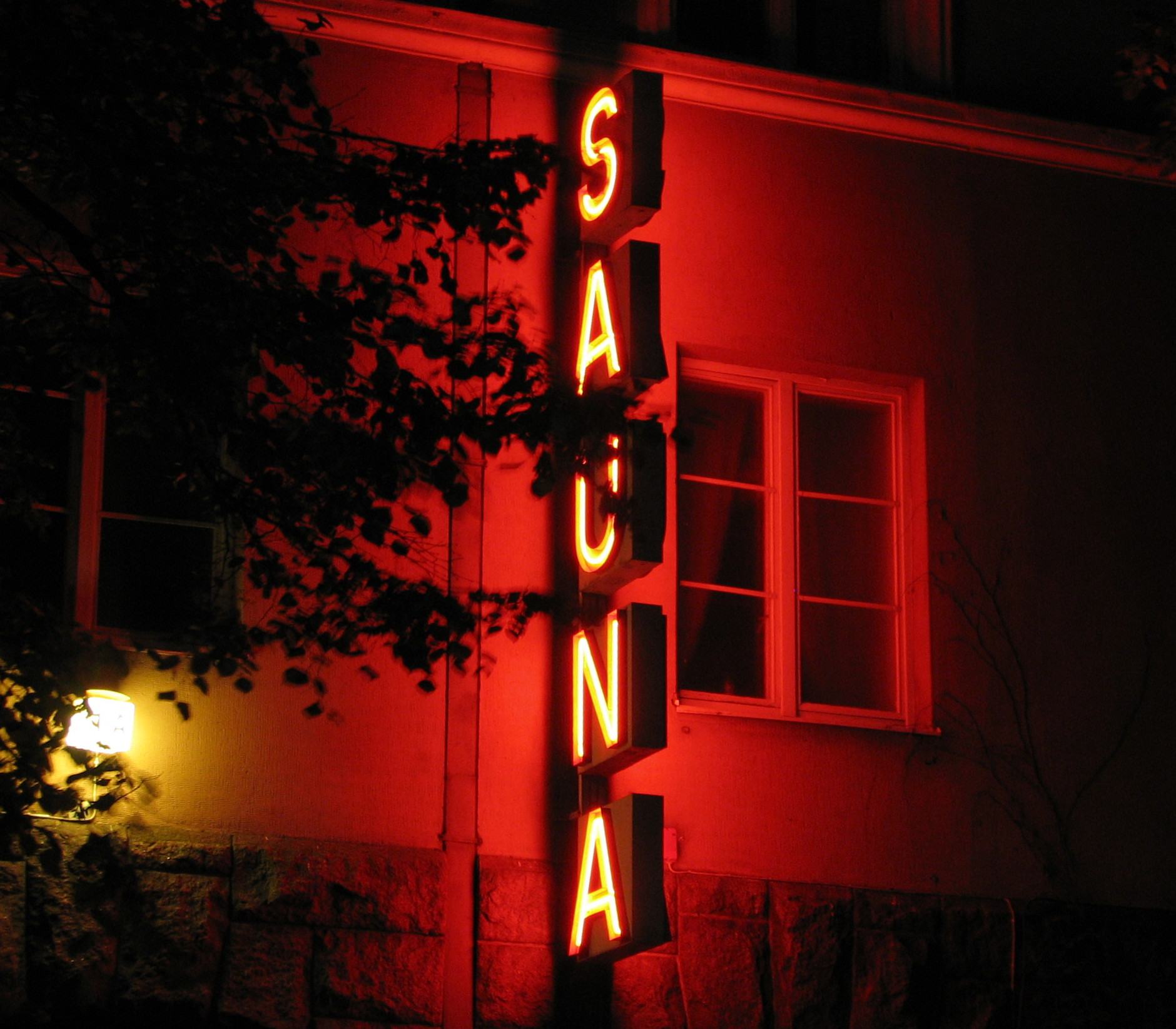
The neon sign of the Kotiharju public sauna in the Kallio district of Helsinki
Chapter 06

Where a visitor should actually go

Kotiharju 1928 · Rajaportti 1906 · Löyly 2016 · Kuusijärvi · Rauhalahti

Five places, three cities, and a general rule: wood-heated and public beats electric and private every time.

The list

In Helsinki, Kotiharjun sauna in Kallio — wood-heated, open since 1928, the last traditional public sauna in the city still in its original use, with regulars cooling down on the pavement outside in towels. Also Löyly on the Hernesaari shore, opened in 2016, with steps into the sea, and Allas Sea Pool by the market square.

In Tampere, Rajaportti in Pispala, working since 1906. Near Helsinki, the public smoke saunas at Kuusijärvi in Vantaa. In the Lakeland, the smoke sauna at Rauhalahti in Kuopio.

What visitors get wrong

They book it for the last night, as a treat, instead of the first, as an introduction. They stay in too long to prove something. They take the hotel sauna, which is an electric box in a cupboard, and conclude the whole business is overrated. They wear swimwear in a single-sex sauna where nobody else is, or arrive naked in a mixed one where everybody else is not.

And they expect it to be a spectacle. It is a warm room with wooden benches in which very little happens, which is the entire point of it.

Types compared

Five kinds of sauna, and which is worth your evening

The heat is the same idea in each; the quality of the löyly and the company are not.

TypeHow it heatsWhat it feels likeWorth going out of your way?
Smoke sauna (savusauna)No chimney; fired 4–8 hours, then the smoke is let outSoft, heavy, dense; the room smells of woodsmokeYes — the one to plan an evening around
Wood-heated public saunaA wood stove with a deep bed of stonesSofter and more variable than electric; hot upper benchYes — and the company is the other half
Modern city saunaWood or electric, architect-designed, on the waterReliable heat, mixed sex, swimwear, sea accessYes, but book it
Cottage saunaA small wood stove, a jetty five steps awayThe domestic default; heat, lake, sit outside, repeatIf you are invited, drop everything
Hotel saunaAn electric box in a small roomDry, sharp, and usually emptyNo — this is what makes visitors think sauna is dull
The short version

Six things to know before your first one

None of them is complicated and all of them are noticed.

Shower first, every time

Not a rinse. Properly, with soap, before you enter the hot room.

This is the rule Finns care most about.

Sit on something

A towel or the paper mat by the door.

It is about the bench, not about modesty.

Ask before you throw

The löyly lands on everyone on the bench.

A glance and a nod is enough.

Leave when you want

In and out several times is the normal pattern.

Sitting it out is not admired.

Read the swimwear question

Single-sex saunas: nothing. Mixed public saunas: swimwear.

Thirty seconds of observation answers it.

No alcohol before cold water

This is the one direct safety warning Finns give.

It is behind most of the accidents that happen.

Planning a sauna evening

Six questions

Answer these and you will not have a bad one.

Which night

The first, not the last. Everything else makes more sense afterwards.

Wood or electric

Wood-heated if there is any choice at all.

Public or private

Public is cheaper, better and more interesting.

Smoke sauna

Worth a half-day detour; allow a whole evening for it.

Cold water

Lake, sea or ice hole — is there one, and will you use it?

Booking

The new city saunas fill at weekends; the old ones rarely need it.

Honest planning

Frequently asked questions

Everything a first-timer worries about, and the things they should worry about instead.

In a single-sex public sauna, yes — swimwear is not worn, and turning up in trunks is the visible mistake rather than the modest choice. In mixed public saunas, hotel spas and most of the new city saunas, swimwear is normal and often required. Thirty seconds of watching what everyone else is doing answers it every time. Nobody looks at anybody, and nobody will say anything if you get it wrong.
Löyly is the burst of steam and heat that rises when water is thrown onto the stones of the stove. There is no single English word for it and Finns talk about its quality the way other countries talk about coffee. A wood-heated stove with a deep bed of stones gives a softer löyly than an electric heater, which is the practical reason to seek out an old public sauna rather than the box in your hotel.
Usually between 70 and 100°C on the upper bench, though the löyly matters far more than the number. There is no correct duration. The normal pattern is several short spells with cooling off in between — go out when you want, sit in the air or the water, go back in if you feel like it. Staying in to prove something is not the tradition; the endurance championships in Heinola were abandoned in 2010 after a death, and nobody has missed them.
A savusauna has no chimney. The stove is fired for four to eight hours, the smoke fills the room and blackens the walls, and once the fire has burned down and the smoke has been let out the stones hold the heat. The löyly is softer and heavier than anything an electric heater produces and the room smells of woodsmoke. It is clean; the soot stays on the walls. It is the version worth rearranging an evening for.
Winter swimming is a mainstream Finnish hobby with clubs, changing huts and a lot of members over fifty, and a maintained avanto has a ladder and a handrail. Get in slowly, stay a few seconds and climb out on the ladder. The one rule Finns state directly is not to do it after alcohol, which is behind most of the accidents. If you have a heart condition, ask a doctor rather than a forum.
Kotiharjun sauna in Kallio for the traditional version: wood-heated, open since 1928, the last traditional public sauna in the city still doing its original job, with regulars cooling off on the pavement outside. Löyly on the Hernesaari shore, opened in 2016, for the modern one with steps down into the sea. Allas Sea Pool by the market square for heated and unheated pools over the water. Book the last two.
A vasta — vihta in western Finland, the same object under two words — is a bundle of fresh birch twigs, soaked and used to slap the skin lightly in the heat. It raises circulation, it stings mildly, and mostly it makes the room smell of wet birch. They are cut around midsummer and frozen for the rest of the year. Nobody uses one on somebody who has not asked.
Yes. Finnish sauna culture was inscribed on the UNESCO Representative List of the Intangible Cultural Heritage of Humanity in December 2020. What the listing recognises is the practice as ordinary domestic life — the room in the flat, the one at the summer cottage, the workplace one — rather than any single famous building. That distinction is the whole subject in one sentence.
Do this first

Book it for the first evening

A wood-heated public sauna, a cold lake or a cold sea, and no plan for afterwards.

Advertisement