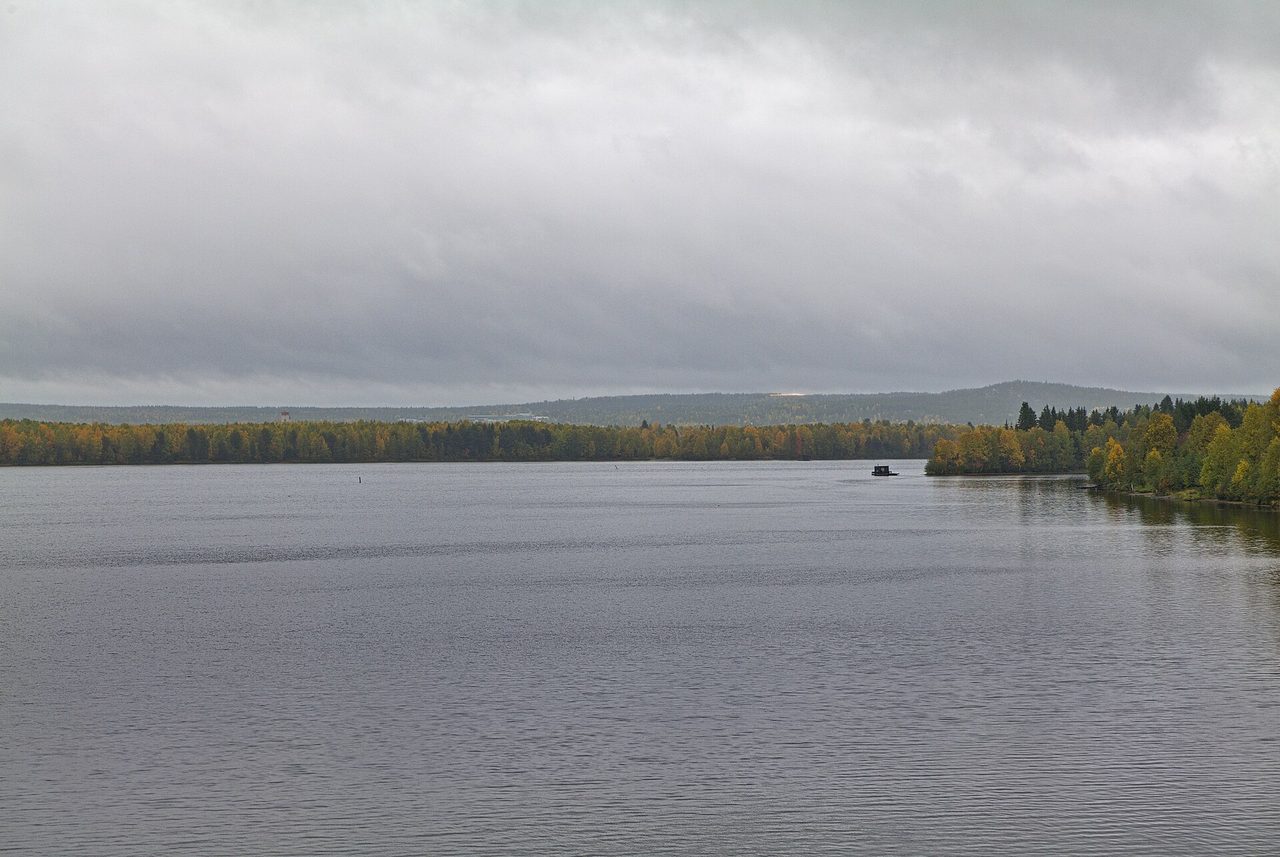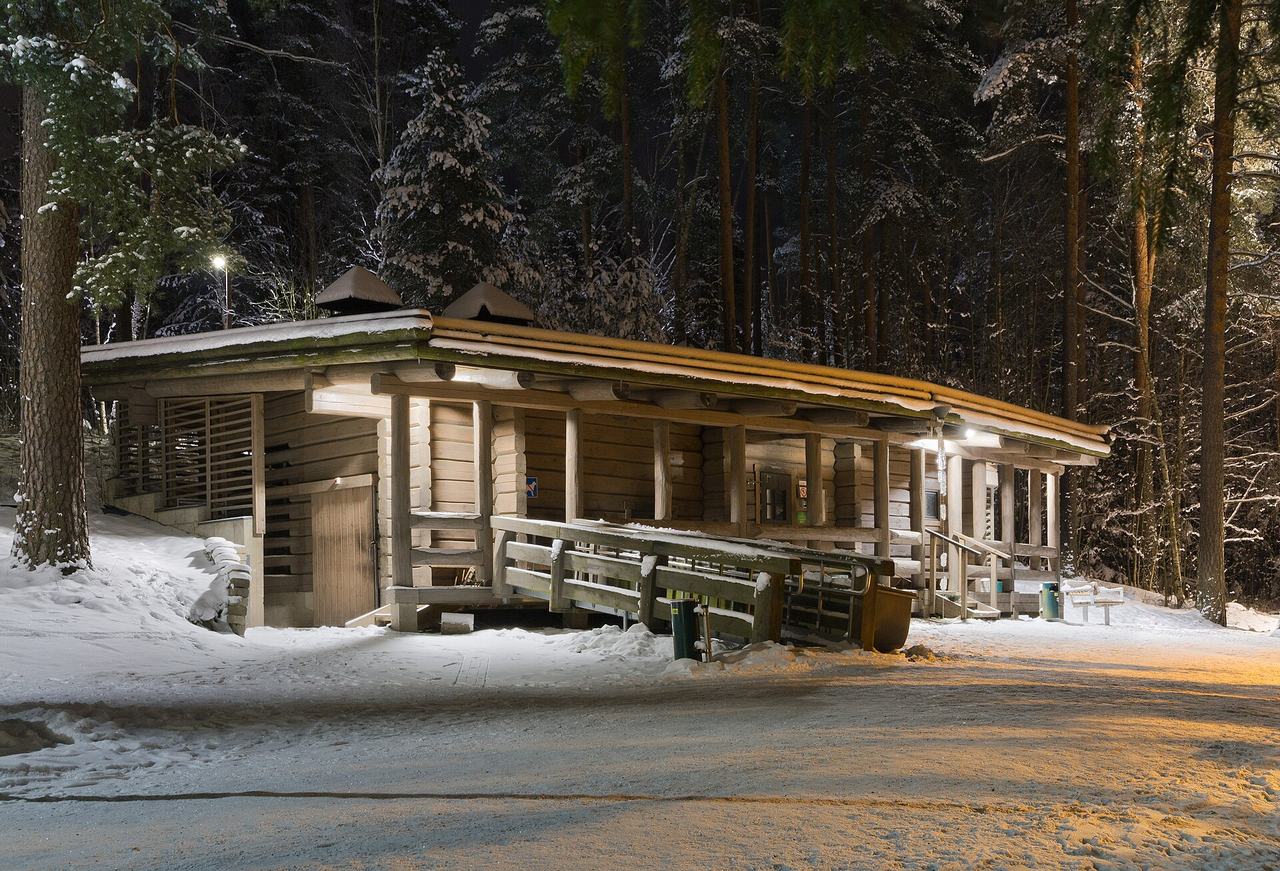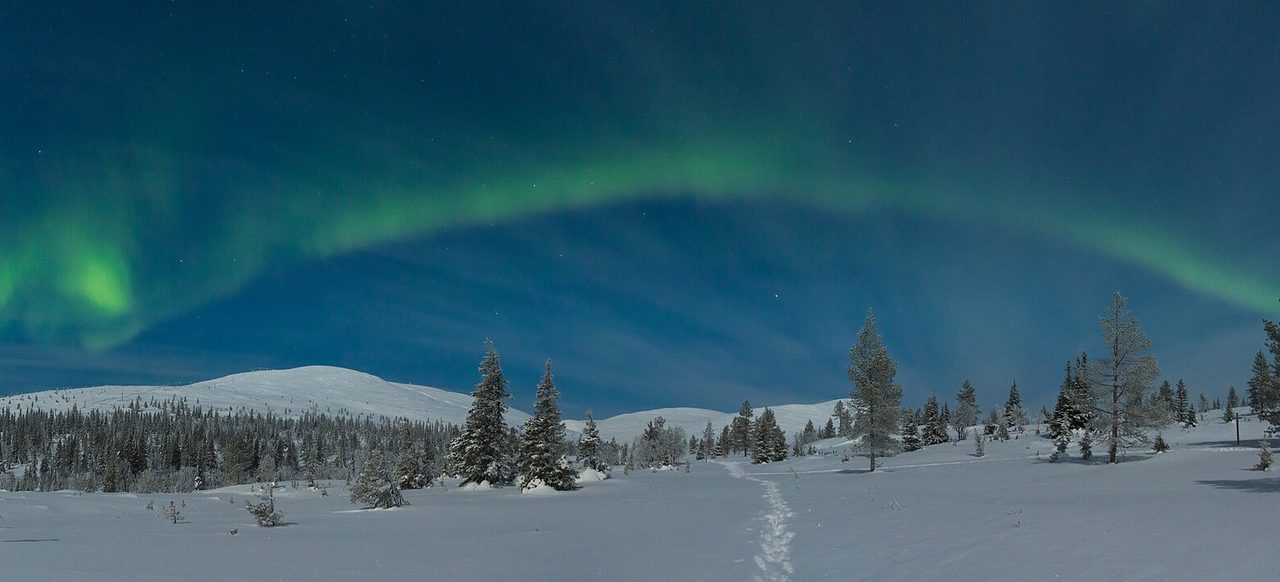
Lake Pielinen and its wooded islands seen from the quartzite tops of Koli in North Karelia
The complete Finland travel guide

100 Experiences You Must Have in Finland

From Senate Square and a smoke sauna on a Wednesday evening to the Åland skerries, a castle standing in a strait, the fells above the tree line and the Sámi parliament at Inari — one hundred carefully researched ways to experience Finland.

Finland runs more than 1,100 kilometres from the Gulf of Finland to the Norwegian border, with about a quarter of it above the Arctic Circle and five and a half million people in it — most of them in the southern fifth. That is why the map misleads. Helsinki to Inari is over a thousand kilometres by road, and the two ends do not share a season, a landscape or a length of day.

These hundred experiences run from the wooden lanes of Rauma and the skerries of Åland to Lake Inari and the fells, and every one of them is tied to one of GlobeSaga’s twelve Finnish destination guides. Each card carries the months the thing is actually possible. Two ideas sit underneath the whole list and are worth understanding before you go: everyman’s right, which decides where you may walk and sleep, and the sauna, which is domestic rather than ceremonial and turns up in almost every category below.

Plan by season

When are these experiences actually possible?

Finland has four seasons that behave like four different countries, and the gap between the south and the north is roughly six weeks at each end of the year. Match the route to the month rather than forcing one plan across the calendar.

Spring

Ice leaves the southern lakes in April and Lake Inari not until early June. Late April and May are quiet and good value, the migration comes through Liminka Bay, and in Lapland the snow is still solid while the sun is already high — the best skiing light of the year.

Summer

The reason most people come. Archipelago ferries run their full timetable, the summer museums and Moominworld open, and above the Arctic Circle the sun stops setting. Finns take July off, so cottages, boats and Savonlinna opera tickets go months ahead.

Autumn

September brings the ruska, the two or three weeks when the ground layer in Lapland turns red and gold, plus clear air, mushrooms and the first aurora nights. Summer boats and open-air museums start closing from mid-August, so check before you drive.

Winter

The north opens rather than closes: skiing at Levi and Ylläs, dog teams, the icebreaker out of Kemi, and the blue hours of the polar night. In the south it is dark and damp rather than dramatic, which is when the saunas, the museums and the design shops earn their keep.

Helsinki Cathedral above the granite steps and pale neoclassical facades of Senate Square
01 · helsinki and the southern coast

Helsinki and the Southern Coast

Senate Square · Suomenlinna · Temppeliaukio · Porvoo

The capital is a small city built on a peninsula and a scatter of islands, laid out by Russia and finished by Finns. Fifty kilometres east, Porvoo shows what the coast looked like before that happened.

1

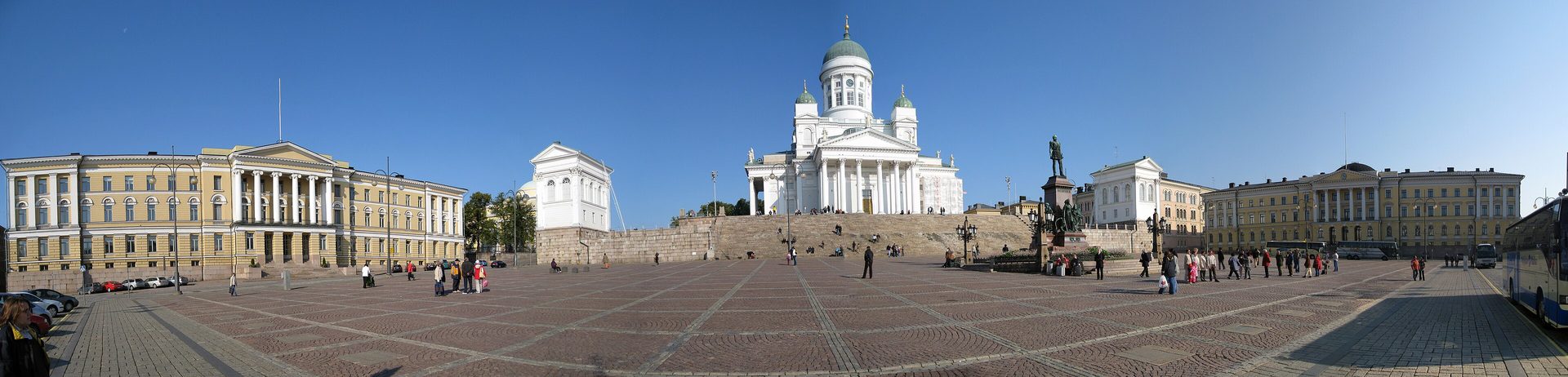
Stand in Senate Square and look at what Russia built

Helsinki Cathedral went up between 1830 and 1852 as a tribute to Nicholas I, and until independence in 1917 it was called St Nicholas's Church. The square below it is a piece of imperial St Petersburg set down on Finnish granite, which is exactly why Cold War film crews used it as a stand-in for Moscow.
2

Take the ferry to Suomenlinna and stay past the last day boat

The sea fortress spreads across eight islands, six of them fortified, begun in 1748 under the Swedish Crown to a plan heavily influenced by Vauban. It is also a residential district of Helsinki, which is the part visitors miss: stay into the evening and the tour groups leave with the light.

3

Sit down inside the church blasted into rock

Temppeliaukio opened in 1969 to a design by the brothers Timo and Tuomo Suomalainen, who quarried down into a granite outcrop instead of building up from it. The walls are raw rock and the roof a copper coil. Go at a quiet hour rather than between coach parties.

4

Give the Ateneum a morning

The Ateneum holds the largest collection of classical art in Finland, and it is where the country's idea of itself was painted — Gallen-Kallela's Kalevala scenes, Edelfelt, Schjerfbeck, Järnefelt. One room here explains more of what you will see for the next fortnight than any amount of reading.

5

Ride the tram instead of buying a sightseeing ticket

Helsinki's trams carried 56.8 million trips in 2019 and they go where visitors want to go anyway. A day ticket, a window seat and route 2 through Töölö costs a fraction of the tour bus and lets you get off the moment something looks worth a closer look.

6

Eat lunch standing up in the Old Market Hall

The Vanha kauppahalli on Eteläranta is the oldest market hall in the city, and it is small enough that you can see the whole of it in ten minutes. It is the least committing way to try archipelago herring, reindeer and Karelian pasties before deciding what you actually like.

7

Walk Seurasaari and see the country before the cities

Farms, a church and workshops were moved to this wooded island from every part of Finland, and walking among them is the fastest way to make sense of Rauma, Petäjävesi and Turkansaari later in the trip. The buildings open in summer; the island, and its notoriously bold squirrels, are there all year.

Helsinki guideMay–September
8

Look at the stadium that held the 1952 Games

Helsinki's Olympic Stadium stands in Töölö about two kilometres from the centre and is still the largest in the country. It was built for a Games awarded for 1940 and cancelled by war, so what arrived in 1952 was a functionalist white tower and a low curved stand — far more modest than the event it finally hosted.

9

Walk Old Porvoo before the coaches arrive

Porvoo was one of the six medieval towns of Finland, and its old town is a hillside of wooden houses on a medieval street plan about fifty kilometres east of Helsinki. Buses run all day, which is why the lanes are best before ten in the morning, when they still belong to people going to work.

Porvoo guideAll year
10

Climb to Porvoo Cathedral above the shore houses

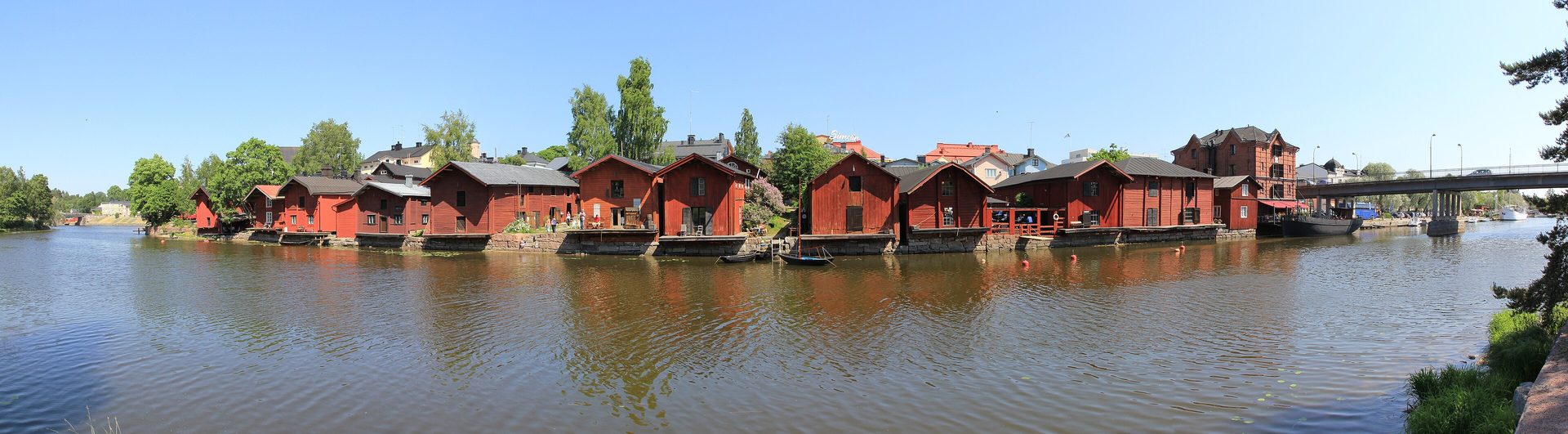
The cathedral was built in the 15th century on 13th-century foundations and is the seat of the Diocese of Borgå, the Swedish-speaking diocese of the Finnish church — a reminder that this coast has run in two languages for eight hundred years. The red shore warehouses below are the photograph; the church is the reason the town exists.

Porvoo guideAll year
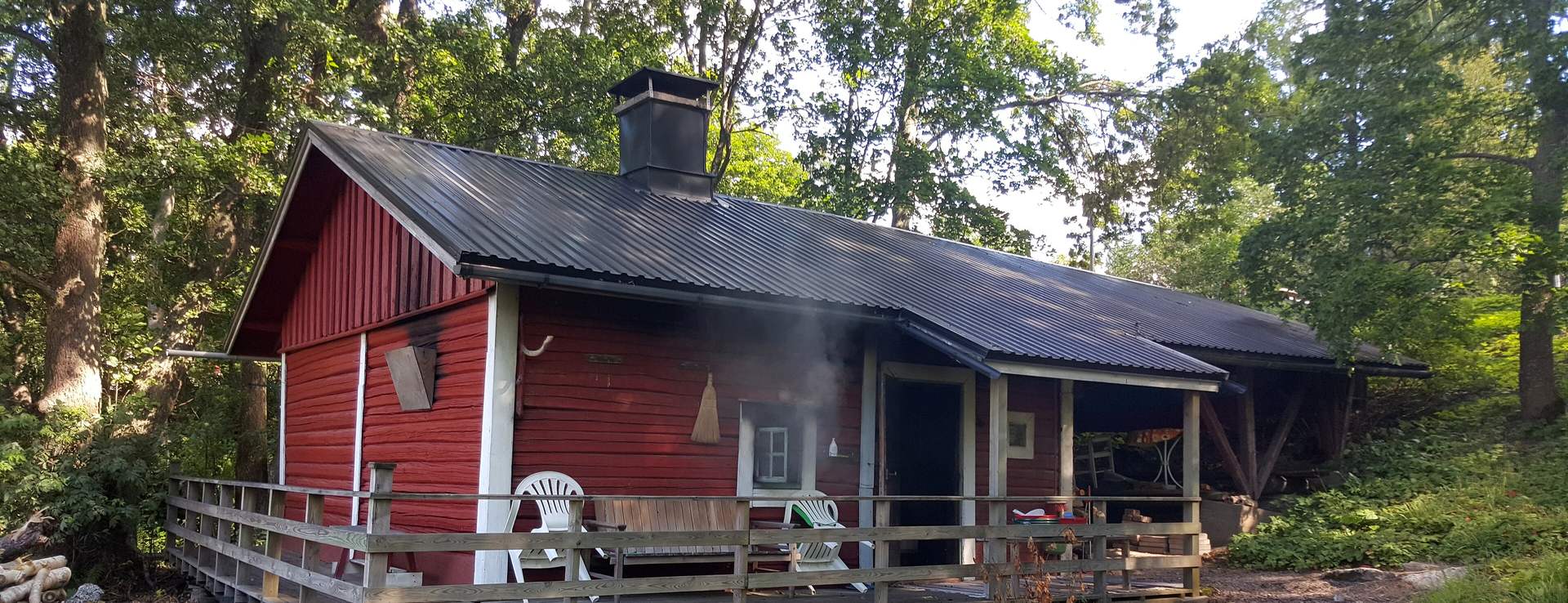
A timber smoke sauna standing among trees at Suviranta in Järvenpää
02 · sauna, and the water beside it

Sauna, and the Water Beside It

Löyly · Rajaportti · smoke sauna · avanto

Sauna in Finland is a room in the house and an hour of the week, not a treatment you book. It comes with water — a lake, the Baltic, or a hole cut in the ice — and the etiquette is shorter than visitors expect.

11

Understand that a sauna is a room, not a treatment

A Finnish sauna is usually a small room in an ordinary flat, or a shed by the water, heated for an hour on a Wednesday evening. Finnish sauna culture went onto the UNESCO intangible cultural heritage list on 17 December 2020, and what was listed was the habit rather than the architecture.

12

Take a turn at Löyly and swim off the Helsinki shore

Löyly opened on the Hernesaari waterfront in 2016 in a folded timber structure by Avanto Architects that reads more like terrain than a building. There is a wood-heated sauna and a ladder into the Baltic, and it is the gentlest introduction in the city for anyone who has never done this before.

13

Queue for your turn at a wood-heated public sauna in Kallio

Helsinki's surviving old public saunas are in the working districts north of the centre, where the flats were built without them. You pay at the door, you sit with strangers, and the conversation matters as much as the heat. Bring a towel and expect no ceremony whatsoever.

14

Sit through the smoke at Rajaportti in Tampere

Rajaportti in Pispala was founded in 1906 and is the oldest working public sauna in Finland. The city owns it and a local sauna association runs it. A smoke sauna has no chimney: the fire burns for hours, the smoke is let out, and what remains is a soft heat that does not sting the way an electric stove does.

15

Sweat in a smoke sauna and walk straight into Kallavesi

Kuopio's smoke sauna at Jätkänkämppä is a lumberjack's cabin on the water, big enough for a crowd, with the lake four steps away. The sequence is the whole thing: heat, water, cold air, repeat. Nobody times it and nobody hurries.

Kuopio guideAll year
16

Do the avanto — the hole cut in the ice

Winter swimming clubs keep holes open in lake and sea ice across the country, with a ladder, a rope and usually a sauna beside them. Thirty seconds is plenty the first time. The point is not endurance but what happens to your head for the two hours afterwards.

Kuopio guideDecember–March
17

Heat a lakeside sauna yourself on Saimaa

Rent a cottage on Saimaa and the sauna comes with it — along with the job of splitting the wood, lighting the stove and waiting an hour. Doing that yourself, rather than walking into a room somebody else heated, is the version most Finns actually mean by the word.

Savonlinna guideJune–August
18

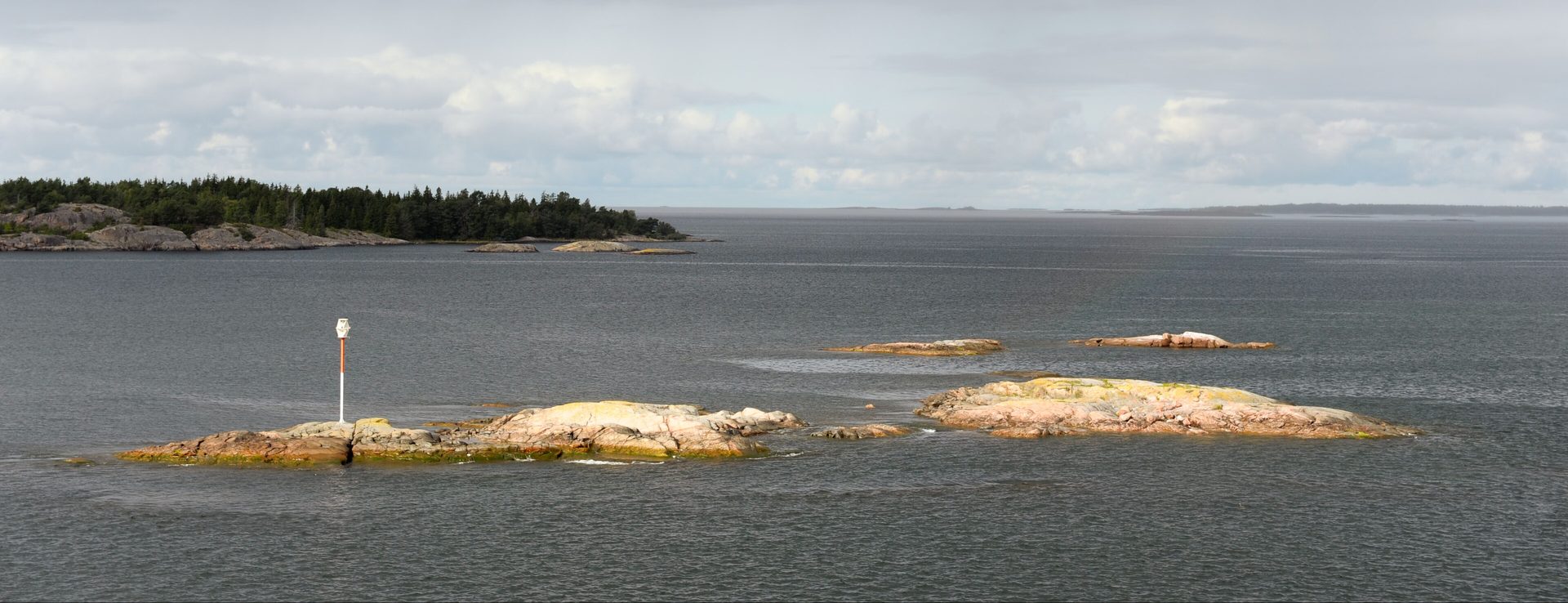
Take a sauna on an Åland skerry and swim in open Baltic

Åland's rented cottages come with a sauna on the rock and a jetty in front of it. The water is brackish and stays colder than the inland lakes well into July, and it is the wind rather than the temperature that decides whether you get in.

Åland guideJune–August
19

Finish the ski day in the sauna, not the shower

Every apartment and hotel at Levi has one, and the order after a day on the fell is sauna, cold, sauna, then food. If you are in a shared building, book a slot: the busy hour is between four and six, when everyone comes off the runs at once.

Levi guideNovember–April
20

Learn what löyly is, and the etiquette that actually matters

Löyly is the burst of steam when water hits the stones, and it is what people mean when they say a sauna is good or bad. The rules are short: wash first, no swimsuit in single-sex saunas, no phone, sit on a towel, and ask before adding more water. Silence is normal and not awkward.

Low rock, juniper and open Baltic water in the Åland skerries
03 · the archipelago and åland

The Archipelago and Åland

Turku Castle · the Föri · the ring road · Mariehamn

Two different things get sold as one. The Archipelago Sea south of Turku is a road with ferries in it; Åland is a self-governing, Swedish-speaking region with its own flag, its own parliament and its own boats.

21

Cross the moat into Turku Castle

Founded in the late 13th century at the mouth of the Aura, this is the largest surviving medieval building in Finland and, with the cathedral, one of the two oldest still in use. Its best years were the 1550s under Duke John, and the Renaissance floor above the medieval one still shows exactly where the money arrived.

Turku guideAll year
22

Ride the Föri across the Aura for nothing

The Föri has been a cable ferry across the river since 1903, which makes it the oldest vehicle in daily service in Finland and the only municipally owned ferry in the country. It is free, it takes bicycles, the crossing lasts under two minutes, and if the ice passes thirty centimetres it is replaced by a path over the river.

Turku guideAll year
23

Drive or cycle the Archipelago Ring Road

The route south of Turku strings bridges and small road ferries through the Archipelago Sea, which by island count is among the largest archipelagos in the world. The ferries are part of the road network and run to a timetable. Two days is comfortable; doing it in one is a drive rather than a journey.

Turku guideMay–September
24

Stay a night on Nagu or Korpo instead of day-tripping

Nagu is two main islands and a couple of thousand skerries, an hour and two ferries out of Turku, now part of the town of Pargas. Almost everyone turns round at the harbour café. Staying means being there when the last car ferry goes and the island falls quiet, which is the only version worth the journey.

Turku guideJune–August
25

Walk the Maritime Quarter in Mariehamn

Åland's capital holds about forty per cent of the region's thirty thousand people and was built on deep-water sail. The Maritime Quarter is a working boatyard rather than an exhibit: wooden hulls under repair, tar, sawdust, and a harbour that still smells of all three.

Åland guideMay–September
26

Go aboard the Pommern

The four-masted barque was built in Glasgow in 1903 and bought in 1923 by Gustaf Erikson of Mariehamn, who ran her carrying Australian grain to Britain and Ireland until the war. Åland's fortune came from ships like this, sailed commercially long after steam should have finished them — which is the whole argument of the town.

Åland guideMay–September
27

Cross to Kastelholm Castle

Kastelholm stands over an inlet in Sund, about twenty-five kilometres north-east of Mariehamn, and is one of five surviving medieval castles in Finland. It is smaller than Turku or Olavinlinna and better for it: you can read the whole plan from a single spot.

Åland guideMay–September
28

Walk the ruins at Bomarsund and read what happened in 1854

A British and French squadron besieged, took and destroyed the Russian fortress at Bomarsund in August 1854, in the Baltic half of the Crimean War. What is left is foundations in a field by the water. Åland's demilitarised status comes out of the settlement that followed, so this rubble is the reason for much of the rest.

Åland guideMay–September
29

Use Åland's own ferry network as transport

Åland runs its own inter-island ferries out to the northern and southern archipelagos. They are part of the road network rather than an excursion, they take cars, and the shorter crossings are free. Read the timetable before you plan the day rather than after.

Åland guideAll year
30

Understand why Åland is Swedish-speaking, autonomous and demilitarised

Åland is a region of Finland of about thirty thousand people with its own parliament, its own flag and Swedish as its only official language. The autonomy dates from 1920 and the demilitarisation from the century before. Treating it as a bit of Finland where they happen to speak Swedish gets the relationship the wrong way round.

Åland guideAll year
The red-ochre wooden shore warehouses of Porvoo along the Porvoonjoki river
04 · wooden towns and old stone

Wooden Towns and Old Stone

Old Rauma · Sammallahdenmäki · Petäjävesi · Kerimäki

Finland built in wood and burned down regularly, so the old towns that survive are rare rather than typical. What stands is worth going out of your way for: two UNESCO wooden sites, a Bronze Age cemetery and the largest wooden church anywhere.

31

Walk Old Rauma, the largest wooden town in the Nordic countries

Roughly six hundred buildings on a medieval street plan with about eight hundred people living in them — a working town rather than a museum quarter, which is precisely why UNESCO listed it in 1991. The oldest houses are 18th century; fires in 1640 and 1682 took whatever stood before.

Rauma guideAll year
32

Find the Bronze Age cairns at Sammallahdenmäki

Thirty-three granite burial cairns on a low ridge outside Rauma, raised between about 1500 and 500 BC when the sea came far closer than it does now. UNESCO listed the site in 1999. Nothing is staffed and almost nothing is explained on the ground, which is a large part of why it works.

Rauma guideMay–October
33

Walk into the block that came through the Turku fire

Luostarinmäki is a whole hillside of small wooden workshop houses standing on their original plots and kept as a handicrafts museum. Turku burned in 1827 in one of the worst urban fires in Nordic history; this is the sort of quarter that stood everywhere in the city before it.

Turku guideJune–August
34

Stand under the timber vault of Petäjävesi Old Church

Built between 1763 and 1765 by local carpenters, with the bell tower added in 1821, and inscribed by UNESCO in 1994 as evidence of how Nordic wooden churches were made. It is a short drive west of Jyväskylä, it is still used for weddings, and there is a service most Sundays in summer.

Tampere guideJune–August
35

Go into Turku Cathedral, the mother church of the country

The only medieval basilica in Finland and the seat of the Lutheran archbishop, standing by the Aura at the head of the Old Great Square. It has been rebuilt after fires and wars often enough that reading the fabric is half the visit — the stone at the bottom and the 19th century at the top.

Turku guideAll year
36

See the largest wooden church in the world at Kerimäki

The church at Kerimäki, half an hour east of Savonlinna, is the largest wooden church anywhere — not the tallest, but nothing else comes near it for volume. It is a summer church, and standing inside it is a lesson in ambition and in how a very large timber room behaves.

Savonlinna guideJune–August
37

Cross the bridges to Turkansaari

An island in the Oulujoki east of Oulu, with an open-air museum that grew up around a church of 1694 moved there and restored in 1922. Every summer they burn a tar pit the old way, which is the single most useful hour you can spend on understanding what this coast exported for two centuries.

Oulu guideJune–August
38

Step into Uspenski Cathedral above Katajanokka

The red-brick Orthodox cathedral on the rock above the harbour is the largest Orthodox church in Northern and Western Europe. Finland has an Orthodox church of its own, autonomous since 1923, and this is its main cathedral — a fact that surprises most first-time visitors rather more than the building does.

39

Look up at Hugo Simberg's frescoes in Tampere Cathedral

Lars Sonck's National Romantic church was built between 1902 and 1907, and Simberg painted it in 1905–06 with a garland-bearing procession, The Wounded Angel and a winged serpent on red at the highest point of the ceiling. The serpent caused a scandal at the time. Go and decide whether you think it deserved one.

40

Find the oldest church in the country at Jomala

St Olaf's in Jomala dates from about 1260 to 1280 and is possibly the oldest Christian church in Finland, built of local red granite and limestone. Wall paintings from the 1280s on the western gable show scenes from the parable of the prodigal son.

Åland guideMay–September
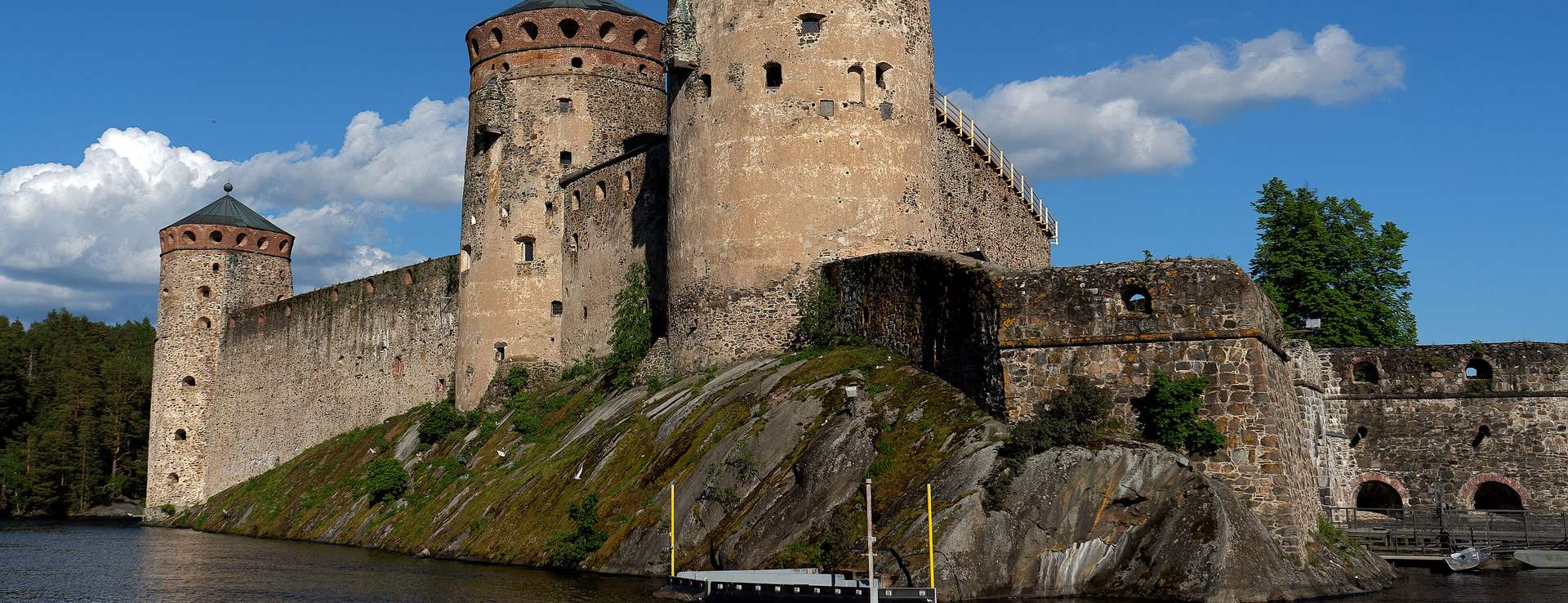
The three round towers of Olavinlinna rising straight out of the Kyrönsalmi strait at Savonlinna
05 · lakeland: saimaa and savo

Lakeland: Saimaa and Savo

Olavinlinna · the ringed seal · Linnansaari · Puijo

The middle of the country is neither lake nor land but both, shuffled together. Saimaa alone holds a medieval castle, a seal found nowhere else on earth and enough water to lose a week in.

41

Cross the water into Olavinlinna

A three-tower castle begun in 1475 on an island in the Kyrönsalmi strait between two lakes: the northernmost medieval stone fortress still standing and the best preserved anywhere in the old Swedish realm. You reach it over a pontoon bridge that swings aside for boat traffic, which is half the pleasure.

42

Hear opera inside a medieval castle

The Savonlinna Opera Festival has been staged in the Olavinlinna courtyard since 1912 and runs for a few weeks in July. That is the honest state of it: one month, one venue, tickets gone months ahead and the town booked out around it. Outside July the castle is quiet and easy to visit.

43

Look for the Saimaa ringed seal, and accept that you may not see one

About five hundred of them exist, in this lake and nowhere else on earth, cut off from the sea when the land rose after the ice and separate for some nine and a half thousand years. Guided boat trips run out of Savonlinna and Rantasalmi in early summer. Nobody responsible promises a sighting.

44

Row out into Linnansaari

The national park sits in the middle of Haukivesi and is the seal's stronghold. You can hire a rowing boat and go, which is how this lake was always crossed. On the main island the old croft still practises slash-and-burn to keep the meadow species that depend on it alive.

Savonlinna guideJune–September
45

Walk the Punkaharju ridge

A narrow esker running between two lakes, protected since the early 19th century and long treated as the other half of the national landscape. Lusto, the Finnish forest museum, is here, and so is a research forest holding some of the tallest trees in the country.

Savonlinna guideMay–October
46

Climb Puijo for the whole of the Lakeland at once

A hundred and fifty metres of hill above Kuopio with a tower and a revolving restaurant on top. From up there the pattern finally reads properly: not lakes with land around them, but land and water shuffled together with no clear edge anywhere. Go on a clear evening.

Kuopio guideAll year
47

Buy a kalakukko at the Kuopio market

Small fish baked whole inside a rye loaf and sealed shut — a Savonian dish, and Kuopio is where the bakeries that still make it properly are. It is heavy, it keeps for days and it was field food long before it was a speciality. Buy a quarter rather than a whole one.

Kuopio guideAll year
48

Take a lake steamer out onto Kallavesi

Kallavesi is the tenth largest lake in Finland, and old passenger boats still run from Kuopio's harbour through the summer. Two hours on the water does more than any viewpoint: at lake level the islands close in behind you and the scale of the place stops being abstract.

Kuopio guideJune–August
49

Spend a night at New Valamo

The monastery moved to Heinävesi in 1940 when the community was evacuated from Lake Ladoga, carrying a tradition that goes back to 1717. It takes guests, and staying the night rather than visiting for an hour is the only way to hear the services that are the reason the place exists at all.

Kuopio guideAll year
50

Understand why Finland has an Orthodox church of its own

The Orthodox Church of Finland is an autonomous archdiocese under Constantinople and one of the country's two national churches, with around fifty-five thousand members. Its roots are in medieval Novgorodian missions into Karelia; its present shape comes from the Karelians moved west in the 1940s. Kuopio holds its church museum.

Kuopio guideAll year
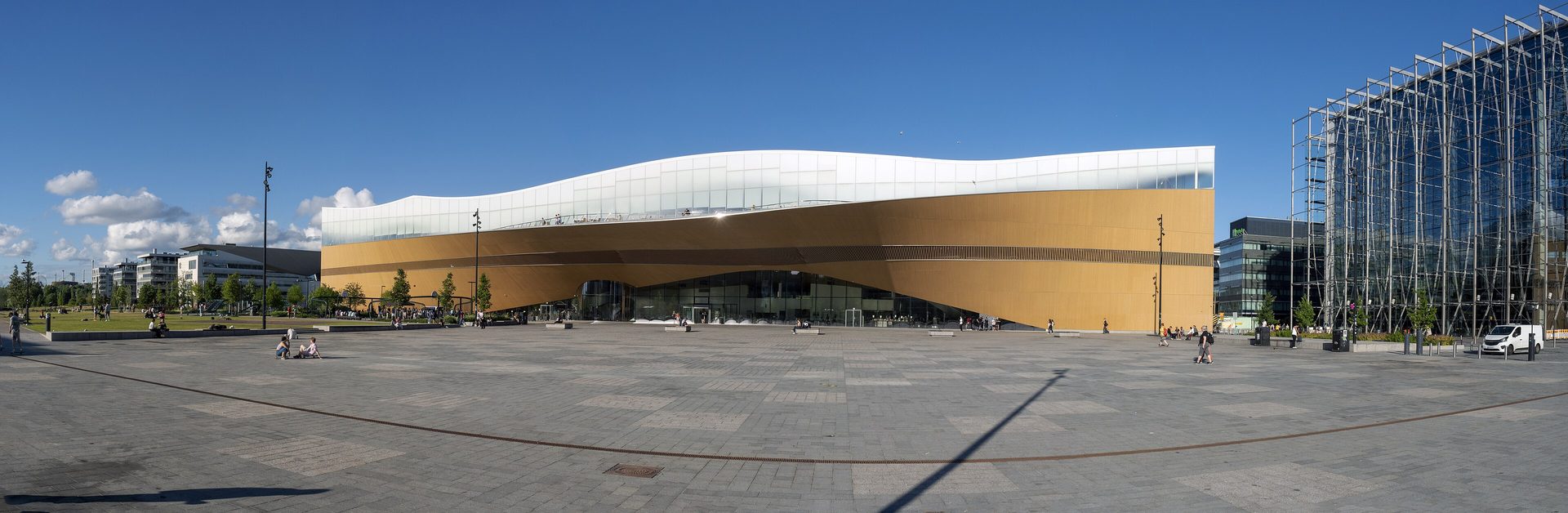
The curved timber and glass front of Oodi, the Helsinki central library, on Kansalaistori
06 · design, architecture and the moomins

Design, Architecture and the Moomins

Oodi · Finlandia Hall · Aalto · Tove Jansson

Finnish design is a building tradition rather than a shop, and it is easiest to understand from the inside of the buildings. The Moomins belong here too: literature first, and an industry a long way second.

51

Spend a wet afternoon in Oodi

Helsinki's central library opened in 2018 on Kansalaistori, deliberately facing parliament across the square. It is a public living room that happens to hold books: sewing machines, workshops, a cinema, and a top floor of glass and pale timber where anyone can sit all day for nothing at all.

52

Start the Design District at the design museum

Finland's design museum occupies an 1895 school building on Korkeavuorenkatu, and the streets around it are the Design District — small studios, second-hand Aalto and Kaj Franck, and shops that are still workshops. The collection now belongs to the merged Architecture & Design Museum.

53

Go inside Finlandia Hall rather than photographing it

Aalto drew it in 1962 and it was finished in 1971, down to the door handles. The white Carrara marble outside has been trouble ever since — it warps in this climate and has been replaced more than once — but the interior is the argument: light, timber, and a staircase that makes you slow down without noticing.

54

Drop into the sunken galleries of Amos Rex

The museum opened in 2018 underneath the square in front of the 1930s Lasipalatsi, and its roof is the square: domes with round skylights that children climb over while the exhibitions happen below. It draws around a quarter of a million people a year, so book ahead for the big shows.

55

Visit the house Aalto built for himself

The Aalto House in Munkkiniemi was his home and his office, with Studio Aalto four hundred and fifty metres away. In July 2026 it was inscribed by UNESCO along with twelve other Aalto works — the clearest signal yet that Finnish design is a building tradition rather than a shopping category. Guided tours only.

56

Follow Aalto to Jyväskylä

Aalto grew up here and built more in this one town than anywhere else, and the Alvar Aalto Museum is the national centre for his work. Jyväskylä sits in the middle of the country and is straightforward to reach by train from either Helsinki or Tampere.

57

See the original Moomin drawings in Tampere

The Moomin Museum holds around two thousand items, among them Tove Jansson's original illustrations and a Moomin house two and a half metres high. Reading the drawings rather than the merchandise makes it immediately obvious how much of the books is melancholy.

58

Take the children to Moominworld at Naantali

The park sits on the island of Kailo beside Naantali's old town, and the blueberry-coloured Moomin House at the centre of it was built in 1993 from Jansson's own drawings — you can go up all five floors. It runs in summer only, which catches people out.

Turku guideJune–August
59

Read Tove Jansson before you buy the mug

Jansson was a Finland-Swedish painter and writer who spent her summers on an island in the Pellinki archipelago off Porvoo, and she wrote for adults as much as for children. Start with Moominpappa at Sea or The Summer Book, then decide what you make of the industry that grew up afterwards.

Porvoo guideAll year
60

Sit in a Paimio chair in the building it was designed for

Aalto won the competition in 1929 and the sanatorium was finished in 1933: a tuberculosis hospital where the window angle, the washbasin, the ceiling colour and the chair were all designed to help somebody breathe. It served that purpose into the early 1960s. Half an hour from Turku, guided tours in summer.

Turku guideJune–August
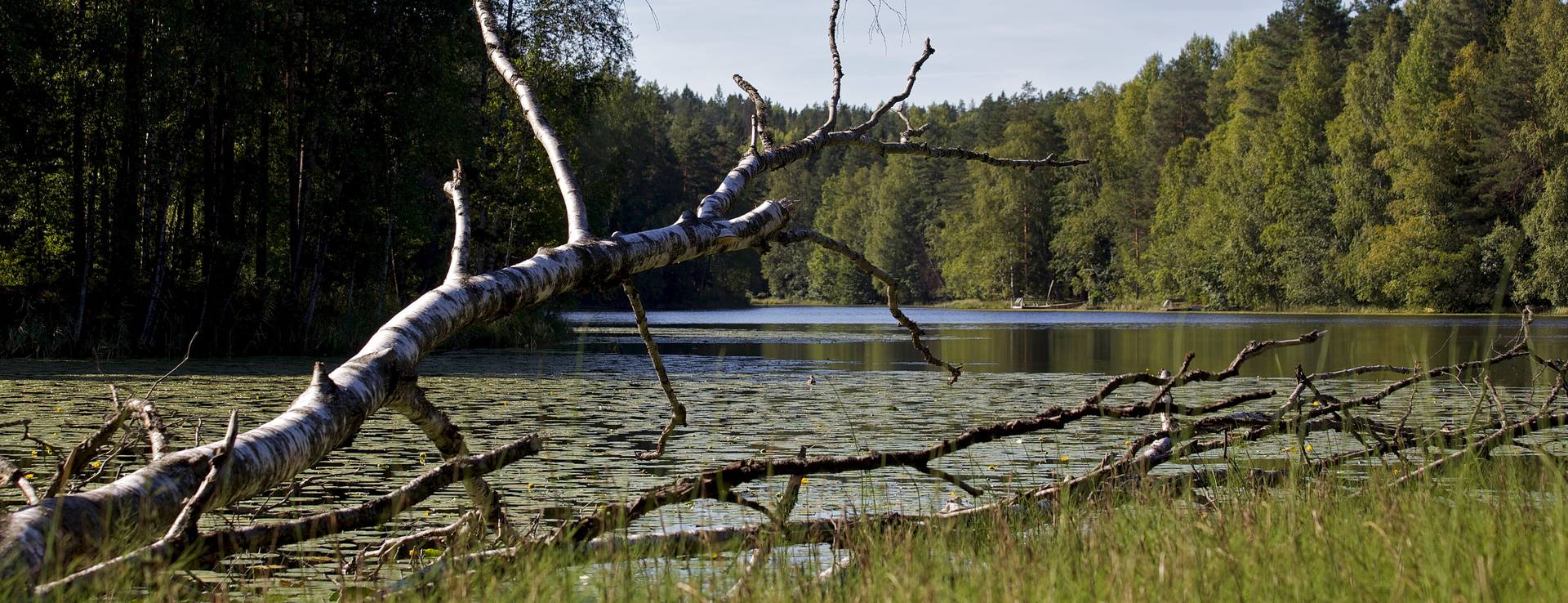
Pine forest and dark still water in Nuuksio National Park outside Helsinki
07 · forest, everyman's right and the parks

Forest, Everyman's Right and the Parks

Nuuksio · Koli · Rokua · Pallas-Yllästunturi

Three quarters of Finland is forest and you are allowed to walk into almost all of it. Everyman's right is the reason this list has so much open country in it, and knowing where it stops matters as much as knowing what it gives you.

61

Take the service bus to Nuuksio

The park was established in 1994 across Espoo, Kirkkonummi and Vihti, under thirty kilometres from central Helsinki, and an ordinary bus goes there. It is forest, lake and bog rather than mountain, which is what most of Finland actually looks like when you stop expecting Norway.

62

Learn what jokamiehenoikeus allows — and where it stops

Everyman's right lets you walk, ski, swim, pick berries and mushrooms and pitch a tent for a night on most land, whoever owns it. It does not cover gardens and yards, fields in crop, lighting fires, cutting anything living, or driving off-road. Nobody polices it. The whole arrangement runs on people not taking advantage.

63

Climb Ukko-Koli for the view the painters used

Koli is a quartzite ridge on the western shore of Lake Pielinen, made a national park in 1991, and the view from the top has been painted and photographed as the Finnish national landscape since the 1890s. It is a long drive east from Kuopio and worth giving a whole day to.

Kuopio guideAll year
64

Walk down into the gorges of Helvetinjärvi

Hell's Lake national park, north of Ruovesi, is fifty square kilometres of forest split by fault-line gorges. The best known, Helvetinkolu, is a narrow cleft you climb down into on wooden steps. It is under two hours from Tampere and busy on August weekends.

Tampere guideJune–September
65

Watch the spring migration over Liminka Bay

The shallow bay south of Oulu is one of the most important bird wetlands in the country, and for a few weeks in late April and May it fills with waders, geese and cranes. There are towers and a visitor centre. Bring considerably more clothing than the date suggests you need.

Oulu guideApril–May
66

Walk the eskers and kettle holes of Rokua

Rokua is sand and moraine dumped by the melting ice, protected as a national park in 1956 and now a UNESCO Global Geopark. The ground is dry pine heath with clear kettle-hole lakes set into it, which looks like nothing else in the region and makes for unusually easy walking.

Oulu guideJune–September
67

Get out into the Bothnian Sea National Park

Established in 2011 and about ninety-eight per cent water, it runs down the coast off Rauma as a long chain of skerries and open sea. You need a boat or a booked trip. The reward is a shoreline that is still rising out of the sea, a few millimetres a year, in front of you.

Rauma guideJune–August
68

Walk in Pallas-Yllästunturi

Finland's third largest national park and its most visited, with over half a million visits recorded in 2019, running about a hundred kilometres along a chain of fells above the tree line. Trails start from Ylläs at one end and Pallas at the other. There is a background air-quality station on Pallas, which tells you something about how empty this is.

Levi guideJuly–September
69

Take a trail into Urho Kekkonen National Park

Two thousand five hundred and fifty square kilometres, established in 1983, with marked routes at the western end near Saariselkä and effectively nothing at all in the east. Wilderness huts are free and first-come. This is where you find out whether you actually enjoy being a long way from a road.

Saariselkä guideJuly–September
70

Go north for the ruska in Pyhä-Luosto

Pyhä-Luosto joins Finland's oldest national park, protected in 1938, to Luosto, and its twelve-peak fell line is what survives of mountains two billion years old. The ruska — the fortnight or so when the whole ground layer turns red and gold — usually runs through September this far north.

The Tammerkoski rapids running between the red brick mills in the middle of Tampere
08 · tampere, oulu and the working north

Tampere, Oulu and the Working North

Tammerkoski · Näsinneula · Oulu 2026 · Hailuoto

Two cities that were built to make things rather than to be looked at, and are more interesting for it. Tampere sits on eighteen metres of falling water; Oulu holds the European Capital of Culture title for 2026.

71

Stand over the Tammerkoski rapids

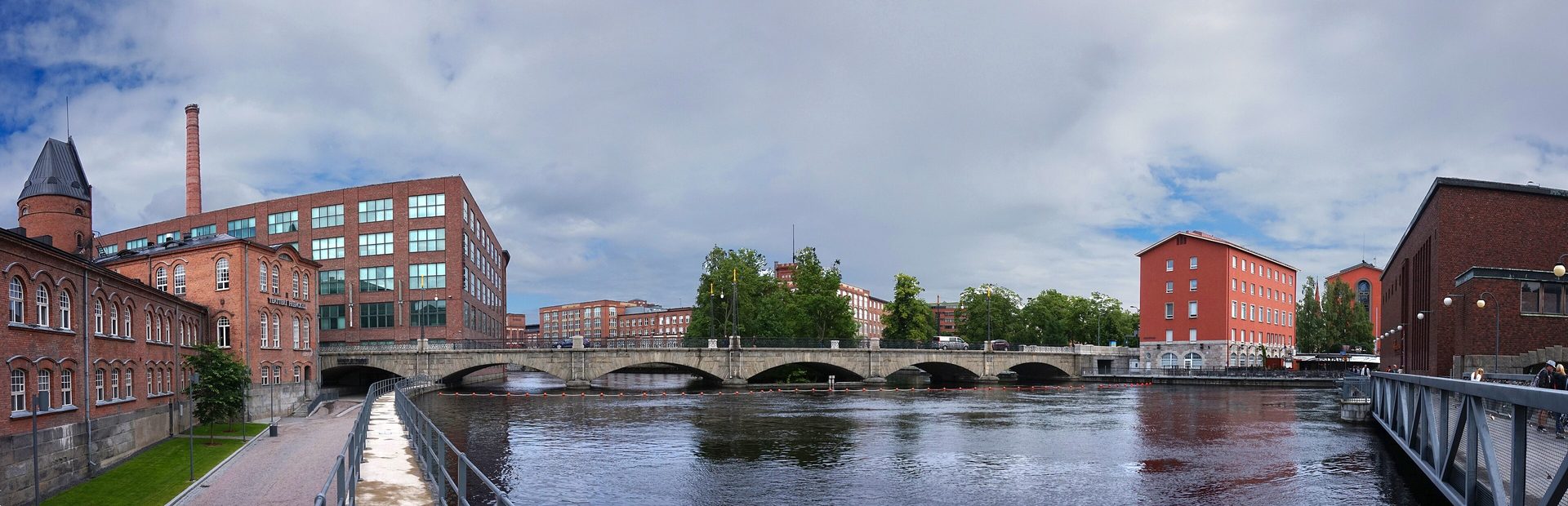
Tampere sits on the isthmus between Näsijärvi and Pyhäjärvi with eighteen metres of drop between them, and the town was founded on that drop. Red-brick mills line both banks and four power stations still take the water. You can walk the whole run in twenty minutes and see two centuries doing it.

72

Go up Näsinneula

Built in 1970–71 to Pekka Ilveskoski's design and a hundred and sixty-eight metres tall, it is the tallest free-standing structure in Finland and the tallest observation tower in the Nordic countries. The restaurant at a hundred and twenty-four metres turns once every forty-five minutes, slowly enough that you only notice afterwards.

73

Walk the Pyynikki ridge

Pyynikinharju is the highest esker in the world, rising eighty-five metres above Pyhäjärvi between the city centre and Pispala, and it is covered in pine forest inside the city boundary. A stone tower stands on top, and the café underneath it sells the doughnuts that half the people up there came for.

74

Give Vapriikki a whole afternoon

A cluster of museums in the old Tampella factory halls — the name is the Swedish word for factory, worn down by use. Natural history, ice hockey, the civil war of 1918 and the city's industrial past all live here, and the last of those is the one that explains everything else about Tampere.

75

Eat mustamakkara with lingonberry jam

Blood sausage of ground pork, pig blood and crushed rye, eaten hot with lingonberry jam. It has been eaten in Finland since at least the 17th century and is a Tampere speciality now. The market hall and the market square both sell it, and it is meant to be eaten standing up.

76

Come while Oulu holds the Capital of Culture title

Oulu is a European Capital of Culture for 2026, which for a northern city of two hundred and seventeen thousand people means a year of programme that will not happen again. If the timing of your trip is flexible at all, this is the argument for going north this year rather than next.

77

Cycle Oulu in February

Oulu maintains its cycle network right through the winter — ploughed, gritted and used — and a serious share of trips are still made by bike in the dark months. Hire one and ride the riverside route. It is the most convincing argument in the country that winter is a design problem rather than an obstacle.

Oulu guideAll year
78

Meet the Toripolliisi on the market square

Kaarlo Mikkonen's bronze policeman has stood at the market since September 1987, paid for by a public subscription started two years earlier, and he is where the city arranges to meet. The market hall and the old salt warehouses behind him are where you eat afterwards.

Oulu guideAll year
79

Cross to Hailuoto

An island of about nine hundred people off Oulu, reached by ferry and, in a hard winter, by an ice road laid across the sea. It is flat, sandy and thinly settled, with a bird station at the far end, and it feels a great deal further from the mainland than the crossing suggests.

Oulu guideAll year
80

Watch the Air Guitar World Championships

Held in Oulu every August since 1996, when it began as a side event of the city's music video festival, and now fed by national qualifiers around the world. It is entirely sincere and entirely ridiculous at the same time, which is a fair introduction to Finnish humour.

The rounded bulk of Ylläs fell above Lake Äkäslompolo in Kolari, Finnish Lapland
09 · lapland: snow, light and distance

Lapland: Snow, Light and Distance

Arktikum · kaamos · Levi · Ylläs

The north is a quarter of the country and about three per cent of its people. Come for the light rather than the snow: the midnight sun, the aurora, and the blue hours of the polar night, which is not actually dark.

81

Start at the Arktikum, under the glass tunnel

Rovaniemi's museum and Arctic science centre opened in 1992, half buried in the riverbank with a glass tube running north out of the hillside. It covers Sámi history, Lapland's own past and the Arctic as a region under pressure. Do this before anything else you do in the north.

82

Cross the Arctic Circle without making a ceremony of it

The line runs a few kilometres north of Rovaniemi and there is a marked crossing with a large Christmas operation built around it. It is a real latitude with real consequences for daylight, and it is also a commercial stop. Both things are true, and knowing that beforehand makes the visit easier to enjoy.

83

See the town that was rebuilt from nothing

Retreating German forces burned Rovaniemi in 1944, and Aalto drew the plan for what replaced it. The result is a working regional capital of sixty-six thousand people rather than a picturesque one. Knowing it is a post-war town explains almost everything about the way it looks.

84

Drive a dog team, and ask who owns the dogs

Kennels around Rovaniemi run everything from twenty-minute rides to multi-day trips. The questions worth asking are how many dogs there are, how they are housed, and what happens to them when they stop running. A good operator answers all three without hesitating, and that is the whole test.

Rovaniemi guideDecember–March
85

Sit out the kaamos and find that it is not dark

Polar night means the sun stays below the horizon, not that the light goes away. Around Rovaniemi it lasts a few weeks at midwinter, and what you get is several hours of blue and violet twilight coming up off the snow each day. It is the most particular light in the country and hardly anyone comes for it.

Rovaniemi guideDecember–January
86

Ski Levi, and take a lift once in daylight

The largest ski resort in Finland: forty-three runs, seventeen of them floodlit, and twenty-seven lifts on a fell topping out at five hundred and thirty-one metres. It stands a hundred and seventy kilometres north of the Arctic Circle, so the season is long and the December days are very short — hence the floodlights.

Levi guideNovember–May
87

Give the aurora several nights, not one

It is solar weather, not a scheduled event. Anywhere in Lapland on a clear dark night between September and March has a chance, and what you need is a forecast, a gap in the cloud and distance from town lights. Three or four nights makes a trip. One night makes a story about cloud.

Levi guideSeptember–March
88

Cross to Ylläs and ski the quiet side

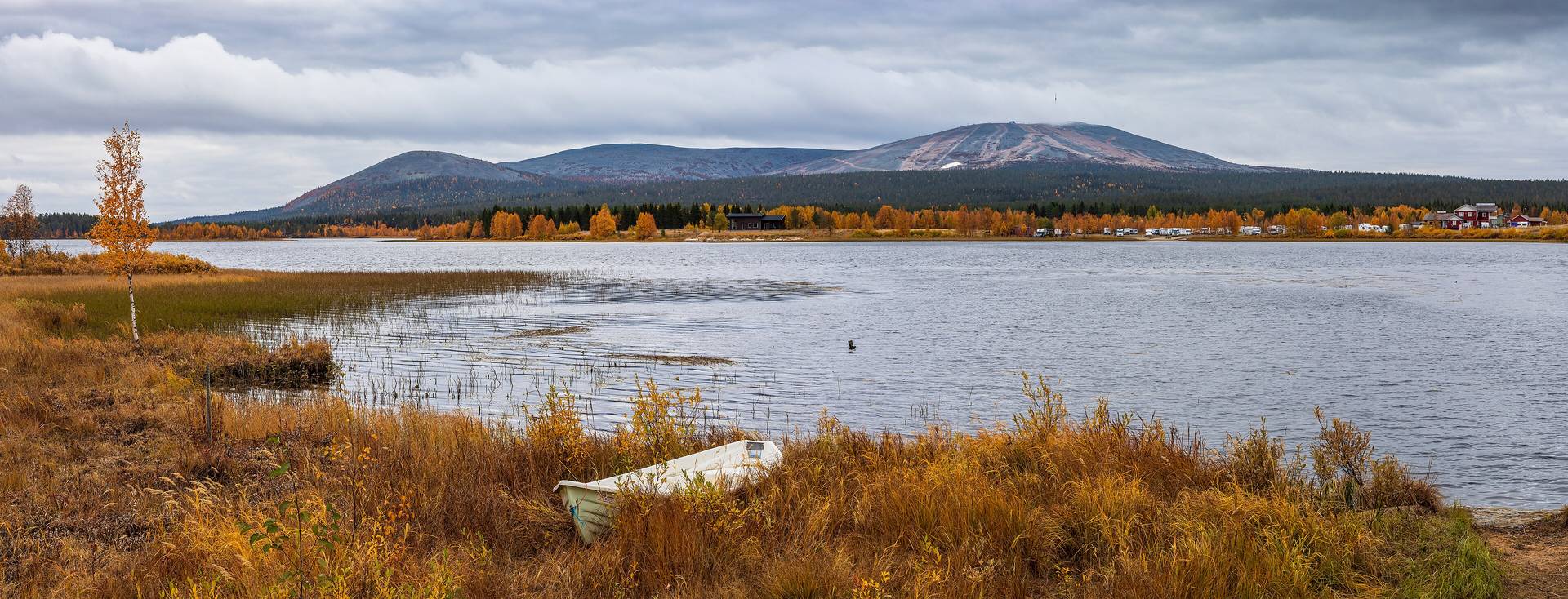
Ylläs is a seven-hundred-and-nineteen-metre fell in Kolari with a village at each end — Äkäslompolo to the north, Ylläsjärvi to the south — joined by an eleven-kilometre road round the side. It is the second largest ski area in Lapland and noticeably calmer than the first.

Levi guideDecember–April
89

Fly into Kittilä and feel the distances

Kittilä has fewer than seven thousand people spread over eight thousand square kilometres, and its airport is the one that serves both Levi and Ylläs. The lowest temperature ever recorded in Finland was measured in this municipality. Look out of the window on the descent; that is the whole card.

Levi guideAll year
90

Understand that reindeer herding is a job

Reindeer are semi-domesticated and every animal in Lapland belongs to somebody, marked in the ear. Herding is organised through cooperatives with defined districts, and it is a livelihood with an economy and a bureaucracy attached, not a display. Drive slowly: a collision is the herder's loss.

Levi guideAll year
Autumn colour and open water on the shore of Ukonjärvi in Inari, northern Finland
10 · sápmi and the slow journeys

Sápmi and the Slow Journeys

Inari · Siida · Lemmenjoki · the night train

Sápmi is a homeland with its own parliament, not a theme in a brochure. The same corner of the map holds the largest national park in the country — and the slowest, best ways of getting to and from all of it.

91

Note that the Sámi Parliament sits in Inari

Sámi people in Finland elect twenty-one members and four deputies to their own parliament, which sits at Sajos in Inari. It is a self-governing representative body with its own remit, not a cultural association, and that distinction is the reason to come here rather than to a staged evening somewhere else.

92

Give Siida a full morning

Siida stands on the shore of Lake Inari and opened in 1998, holding the Sámi Museum and the Northern Lapland Nature Centre together under one roof. It is run by Sámi people about Sámi people, and the collection that was held in Helsinki has since been returned here.

93

Look out over Lake Inari

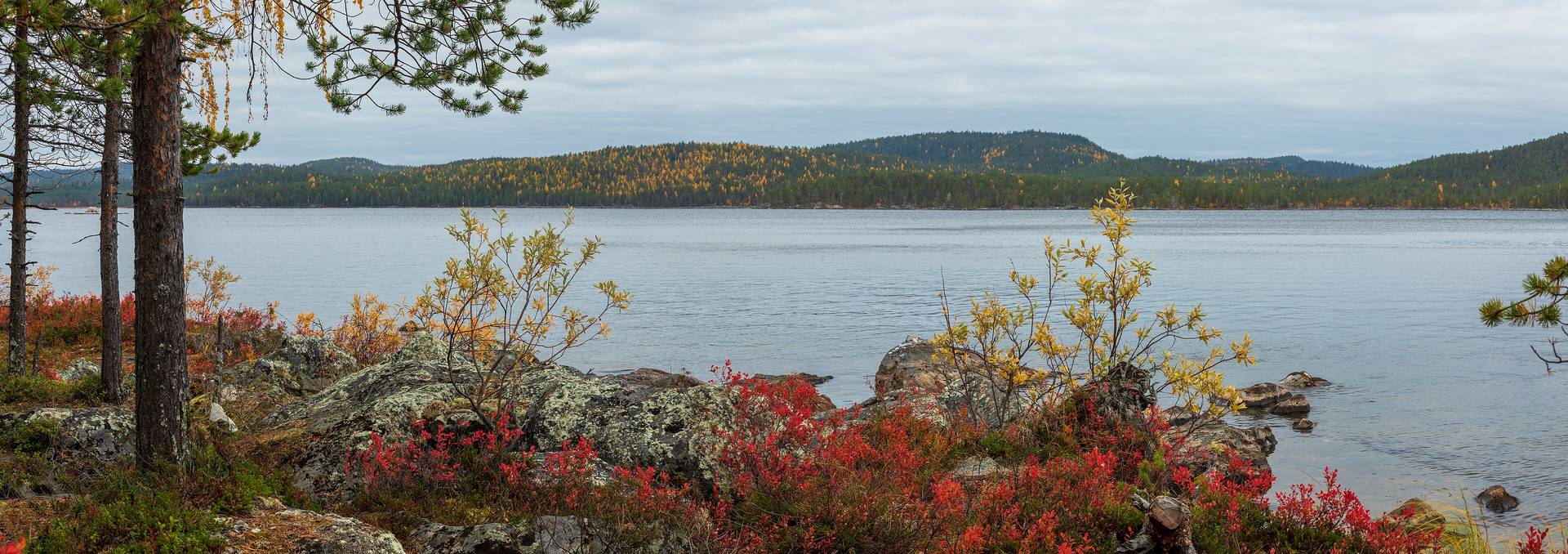
The third largest lake in Finland and the largest in Sápmi, well north of the Arctic Circle and full of islands. It normally freezes from November into early June. Ukonsaari, one of the islands in it, is a Sámi sacred site — which is a reason to look at it rather than to climb on it.

Saariselkä guideJune–September
94

Walk into Lemmenjoki

At two thousand eight hundred and fifty square kilometres this is the largest national park in Finland and one of the largest in Europe, founded in 1956 and named for the eighty-kilometre river running through it. A boat goes up the river in summer, and after that there is the trail and nothing else.

Saariselkä guideJuly–September
95

Climb Kaunispää for the midnight sun

Saariselkä is a fell area of two-billion-year-old granulite with the highest point at Sokosti, and a road runs nearly to the top of Kaunispää. In June and early July the sun does not set here at all. The strange part is not the light itself but that the birds never stop singing.

96

Take the night train north with the car on board

VR runs sleeper trains from Helsinki up to Rovaniemi and Kolari, and they will carry your car. It takes about twelve hours: you get on in the evening in the south and wake up a thousand kilometres north with your own vehicle coming off the wagon. Book the car space early for the winter dates.

97

Cross the Baltic overnight to Stockholm

The Turku–Stockholm ferries thread the Archipelago Sea and the Åland islands in daylight at one end of the crossing, which is what makes the journey worth taking instead of the flight. The deck is public: you do not need a cabin in order to stand outside for the archipelago hours.

Turku guideAll year
98

Ride out to Kökar

Kökar is an island municipality of about two hundred and twenty-five people in the south-eastern corner of Åland, reached by ferry from Långnäs on the main island or from Galtby on the Finnish mainland. It is bare rock, sheep and a medieval Franciscan site, and getting there takes most of a day either way.

Åland guideJune–August
99

Break ice on the Bay of Bothnia

The Sampo was built in Helsinki in 1960 as a working state icebreaker and is now based at Kemi, where she takes passengers out into the frozen Bay of Bothnia through the winter. Watching a ship break a metre of sea ice at walking pace is a lesson in what this coast does for half of every year.

Oulu guideDecember–April
100

Leave one Finnish day with nothing in it

This country rewards it more than most. Sit by water, walk into whatever forest is nearest, heat a sauna, say nothing for a while. Finns build this into the year deliberately, and a trip booked solid from end to end misses the thing that everything else here is arranged around.

Interactive overview

Map of 100 experiences across Finland

Filter by category and select a marker to see the experience and the GlobeSaga destination guide it belongs to.

100Experiences
10Themes
12Finland destinations
Bookable now

Tours and tickets, by place

Results for each of the twelve Finnish destinations, searched on the place name alone.

Booking links go to GetYourGuide. GlobeSaga earns a commission on completed bookings, at no extra cost to you. See all results

Suggested itineraries

Turn the experiences into a realistic journey

Pick one part of the country. Finland is long, the ferries and trains run to their own timetables, and Åland is effectively a separate trip — four routes that respect all three.

First journey

6 days: Helsinki, the sea fortress and Porvoo

Helsinki Suomenlinna Nuuksio Porvoo

The capital properly, a fortress you can stay on until the evening, one day of forest reachable by service bus, and a medieval wooden town an hour east.

Best time: All year, best May–SeptemberBase: Helsinki
Start in Helsinki →
Coast and archipelago

8 days: Turku, the ring road and Åland

Turku Archipelago Ring Road Mariehamn Rauma

Two castles, a free cable ferry, a fortnight's worth of small road ferries done in two days, and the wooden town on the Bothnian coast to finish.

Best time: May–SeptemberBase: Turku, then Mariehamn
Start in Turku →
The Lakeland

7 days: Tampere, Savonlinna and Kuopio

Tampere Savonlinna Punkaharju Kuopio

Rapids and red brick, a castle standing in a strait, an esker between two lakes and a hill with the whole water system laid out below it.

Best time: June–AugustBase: Tampere, then Savonlinna
Start in Tampere →
The north

8 days: Oulu, Rovaniemi and Inari

Oulu Rovaniemi Levi Saariselkä & Inari

The Capital of Culture year, the Arctic museum that frames everything after it, a fell to ski or walk, and Sámi country at the end of the road.

Best time: September–March for the light, June–September for walkingBase: Rovaniemi
Start in Rovaniemi →
Practical advice

Frequently asked questions

Short answers on seasons, distances, costs, the aurora, sauna etiquette and the right of public access behind the hundred experiences.

It depends which Finland. June to August gives the archipelago boats, the midnight sun and every summer museum open; December to March gives skiing, dog teams, the icebreaker at Kemi and the aurora. September is the ruska in Lapland and the quietest good month in the south. There is no single best season here, only a best season for the trip you are planning.
Not for the cities. Helsinki, Turku, Tampere and Oulu are walkable and well served, and VR trains link everything down the spine of the country. A car earns its keep on the Archipelago Ring Road, around Saimaa, in Åland and anywhere in Lapland outside the resorts, where the interesting places sit between the towns rather than in them.
Restaurant dinners, alcohol and flights north in the Christmas weeks. Stronger drink is sold only through the state monopoly Alko, which keeps shorter hours than the shops around it, so buy before the weekend rather than during it. Against that, public transport, libraries, many museums, the forests and the lakes cost little or nothing at all.
Anywhere in Lapland on a clear, dark night between September and March, and occasionally much further south. It is solar activity and cloud cover rather than a bookable event, so the practical answer is to give yourself three or four nights, get away from town lights and check the forecast each evening.
In private saunas and single-sex public ones, yes — that is simply the norm and a swimsuit looks odd. In mixed hotel, gym and city saunas a swimsuit is normal and nobody minds. Everywhere, you wash before going in and sit on a towel or a paper mat. Nobody looks at anybody, which is the part that surprises visitors most.
Everyman's right lets you walk, ski, swim, cycle, pick wild berries and mushrooms and camp for a night on most land, whoever owns it, without asking. It does not cover gardens and yards, fields in crop, lighting fires, cutting or damaging living trees, disturbing wildlife or driving off-road. It is not enforced; it works because people do not push it.
Less than the map suggests. Helsinki to Inari is over a thousand kilometres by road, and the south and the far north do not share a season or a landscape. Pick one half of the country, or take the night train or one internal flight and treat the trip as two shorter ones joined together.
Ready when you are

Build your own Finnish journey

Choose one half of the country, leave room for a ferry that depends on the weather and a day with nothing in it, and let the GlobeSaga destination guides take you the rest of the way.