A Spanish grid that the boom never flattened
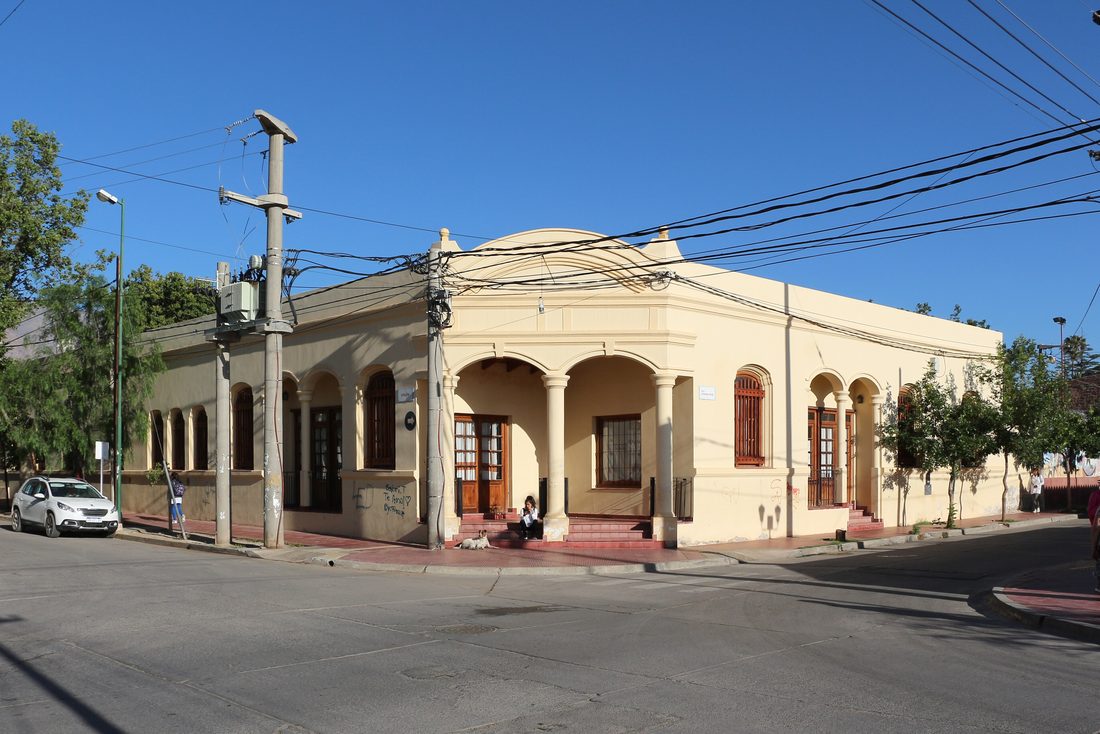
Salta was founded in 1582 to hold the road between Lima and the Río de la Plata, and for two centuries that road was the point of it. Mule trains came down from Upper Peru, silver went north, and the city grew as a staging post rather than a capital. When Argentina's wealth moved to the pampas and the port, Salta was left behind — which is exactly why the centre is still legible. Low colonial blocks, deep arcades, wooden balconies and a plaza that is still the place people actually sit.
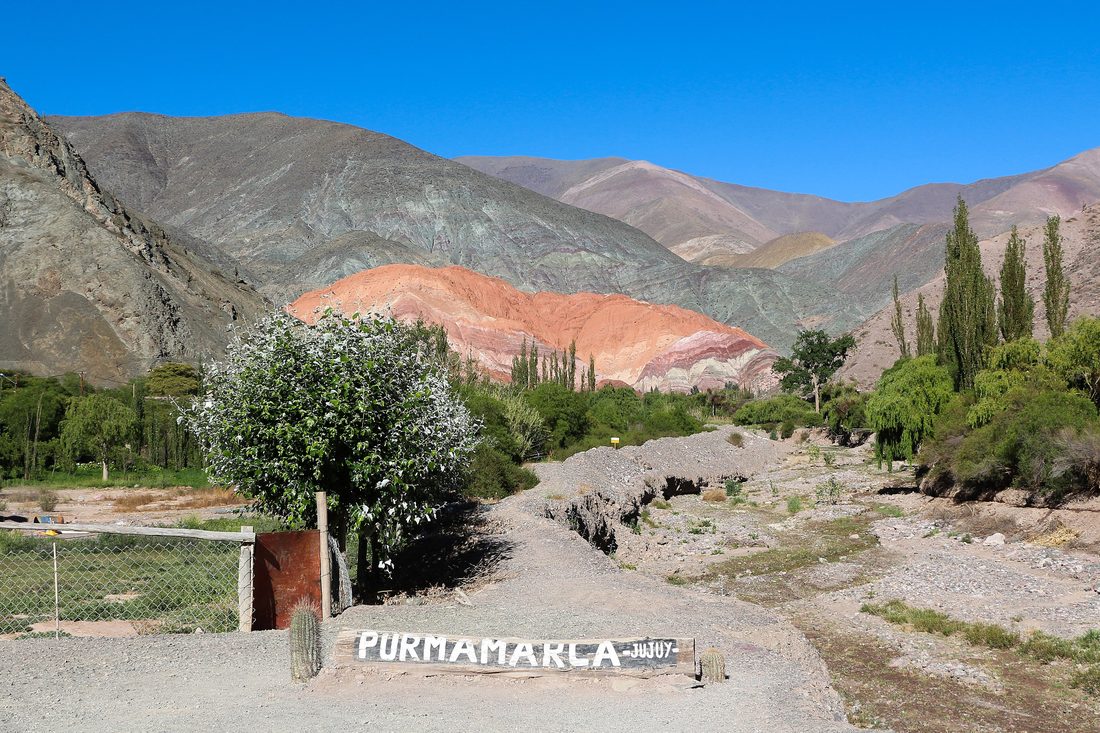
The second thread is the war. Martín Miguel de Güemes raised a gaucho militia here and fought a long defensive campaign along the northern border while the regular armies moved elsewhere; his monument stands under the hill and his name is on half the streets. The third is altitude. Salta sits at about 1,200 metres in a green valley, but everything worth driving to from here climbs: the wine valleys south, the Quebrada de Humahuaca north, and the railway west that reaches 4,200 metres before it runs out of country.
Give it three nights. That covers the plaza and its museums, one full day on the road — south through the red gorge or north into Jujuy — and two evenings, which in Salta means a peña: a room with guitars where the music is not a floor show and the singing is often from the tables.
“Salta is a city you read at walking pace. The plaza explains the colonial centuries, the hill explains the valley, and the road out of town explains the rest of the northwest.”